
The wall looks cleaner after a treatment, but the dampness returns. That result should prompt a different question: what was physically removed and what changed about the water source? A product can be one part of a process without being the entire solution.
What matters most
- Identify and correct the moisture condition that allowed the growth.
- Material type determines whether cleaning or removal is appropriate.
- Containment and HEPA filtration support a controlled removal process.
Start with the material and the moisture
A hard surface and a porous wall finish do not have the same cleanup options. Growth can extend into materials that cannot be addressed by wiping the visible face. The scope should identify what will be cleaned, what may need removal and why.
A source investigation belongs beside that decision. Recurring seepage, a hidden plumbing leak and persistent humidity need different corrections. Treating the visible mark without investigating the condition can leave the same material exposed again.
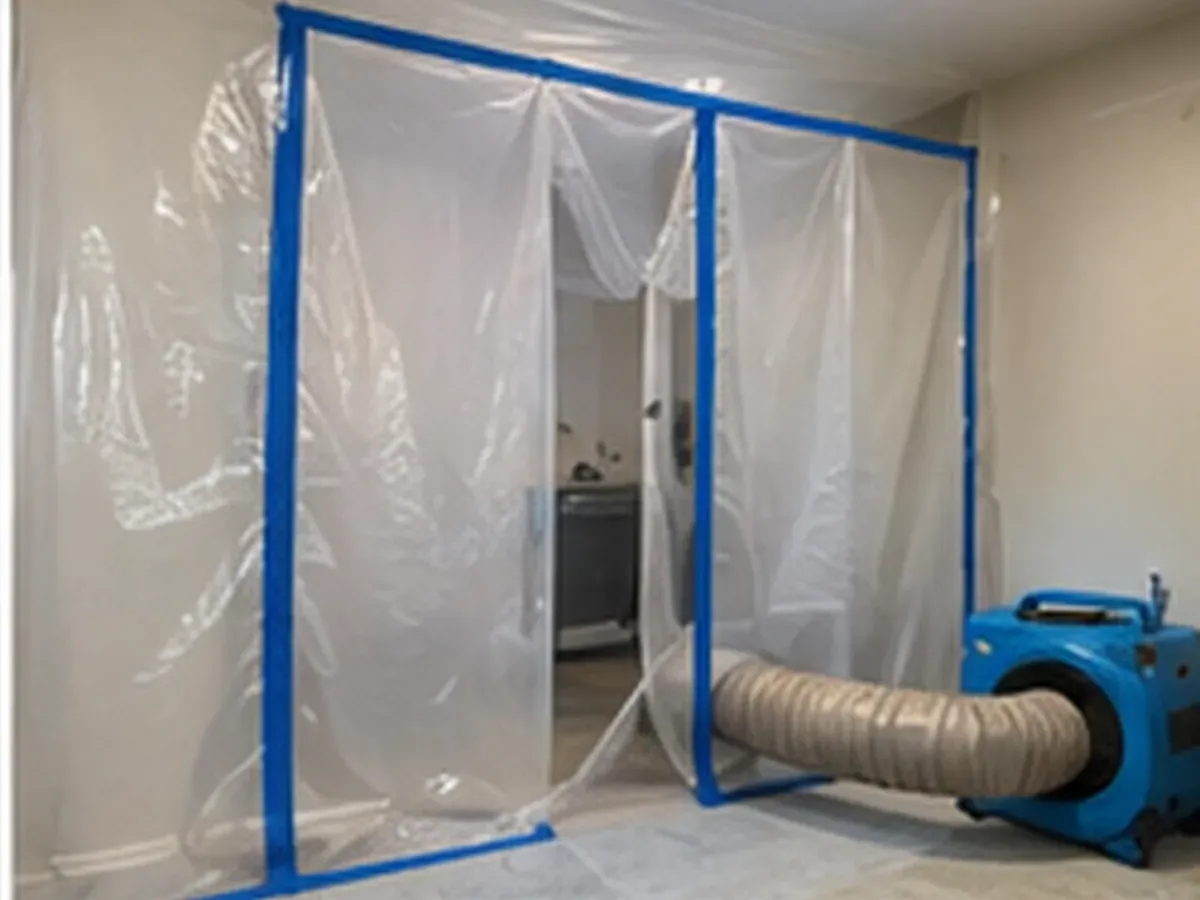
Ask what containment is intended to control
Removal work can disturb dust and debris. A defined boundary and suitable filtration can support a controlled process. Ask about access, debris handling and how surrounding rooms are protected while the work proceeds.
HEPA equipment does not replace physical cleanup. Likewise, a coating does not demonstrate that concealed materials have been checked. The explanation should connect each measure to a specific task rather than list equipment as proof of completion.
A product application versus a complete work plan
| Condition or decision | What it means | What to check next |
|---|---|---|
| A visible surface treatment | May change the appearance or be one part of a method. | Ask what is physically removed and how residual debris is cleaned. |
| Affected porous material | Growth or damage may extend beyond the exposed face. | Have retention or removal decided for the actual material and condition. |
| A damp cavity behind the finish | The moisture source may remain active. | Resolve source repairs and retained-material drying before rebuilding. |
Do not close the room around an unresolved source
An opened wall may reveal additional damp framing or insulation. Those findings can change the drying and repair scope. Ask how they will be documented and whether another trade is needed before the wall is rebuilt.
The EPA's household guidance emphasizes correcting water problems and avoiding paint over moldy surfaces. The property-specific method still depends on the material, extent and conditions. Health concerns belong with a qualified health professional.
A complete mold removal plan explains containment and physical cleanup as well as source correction. Where moisture comes from below the room, crawlspace water removal and drying addresses the joists, insulation and subfloor.
Keep completion questions practical
Ask what was removed, what was cleaned, which materials remain and what has been done about moisture. If independent assessment is part of the agreed plan, confirm who arranges it and what it will evaluate. Avoid replacing those decisions with a broad promise about every possible future outcome.
Retain photos and the source-repair record. If a mark returns, the file should help establish whether the cause was corrected and what conditions have changed, without relying on the memory of a product name.
Read the removal method from start to finish
The proposal should identify the work boundary, the materials being handled and the route for debris. Opening an affected wall can release dust, so containment and suitable filtration need to fit the work. Ask how surrounding rooms and HVAC openings will be protected. A plastic barrier is one control, not evidence that the whole process is complete.
Next look at the material decisions. A hard cleanable surface is different from insulation, carpet or damaged drywall. A product name cannot establish that all of those materials can be retained. Ask which will be removed, which will be cleaned and how remaining dust or debris will be addressed. The method should follow the condition found at the property.
Finally, locate the moisture correction and repair handover in the plan. An opened cavity may need drying or a separate plumbing repair. If verification by another professional is included, agree on its purpose and timing. Close the room after those steps are addressed, rather than using a fresh finish as proof that the cause has disappeared.
Mistakes to avoid
- Painting over an affected wall without addressing moisture.
- Assuming air filtration replaces removal of damaged material.
- Repeating the same spray when the mark returns without investigating the cause.
From the first sign to the repair
- 1Investigate the reason the material stayed damp.
- 2Define access, containment and physical cleanup work.
- 3Address retained material moisture and source repairs.
- 4Review agreed verification before reinstating finishes.
Questions homeowners ask
Why ask about porous materials if the mark looks small?+
The visible area may not show the condition inside or behind a finish. Material type affects the cleanup options, and access may be needed to establish the boundary. Ask what the inspection found rather than assuming a small surface mark always means a minor job. The proposed removal or retention should follow the actual condition and the source investigation.
What if a cleaned corner becomes stained again?+
Report the new observation and preserve the previous scope and source-repair records. A returning mark warrants review; it does not establish the cause from appearance alone. Ask what changed about the moisture conditions and whether concealed material needs further assessment. Repeating a product application without that investigation can leave the same unanswered question about why the surface continues to be affected.
Further reading: EPA mold cleanup guidance ↗
What a Mold Removal Price Should Cover
Compare the work, not just the product being applied. Containment, physical removal, cleaning and retained-material drying each need a place in the estimate. Review the mold removal cost breakdown for Buford for planning ranges, included stages and items such as source repairs or new finishes that may be priced separately.
Cleanup services for this type of damage
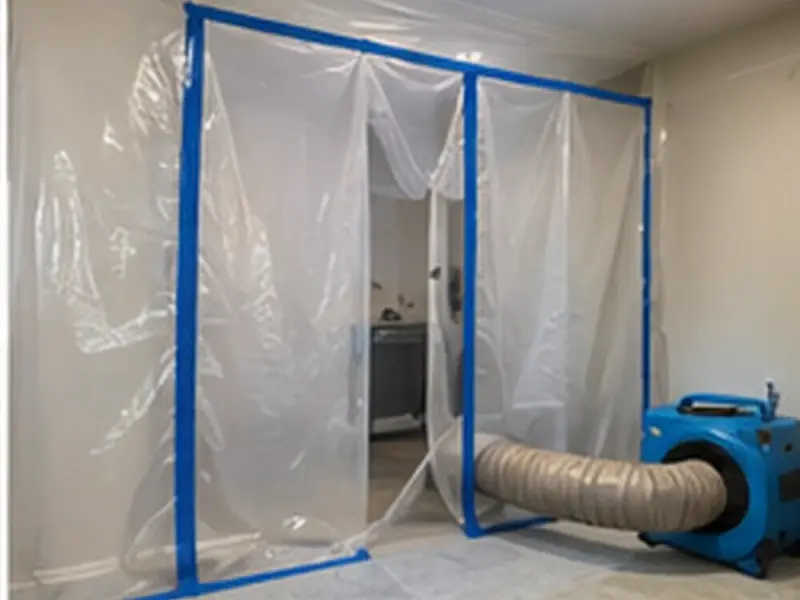
Mold Removal
Containment, physical removal and a plan for the moisture behind the growth.
Discuss this service ↓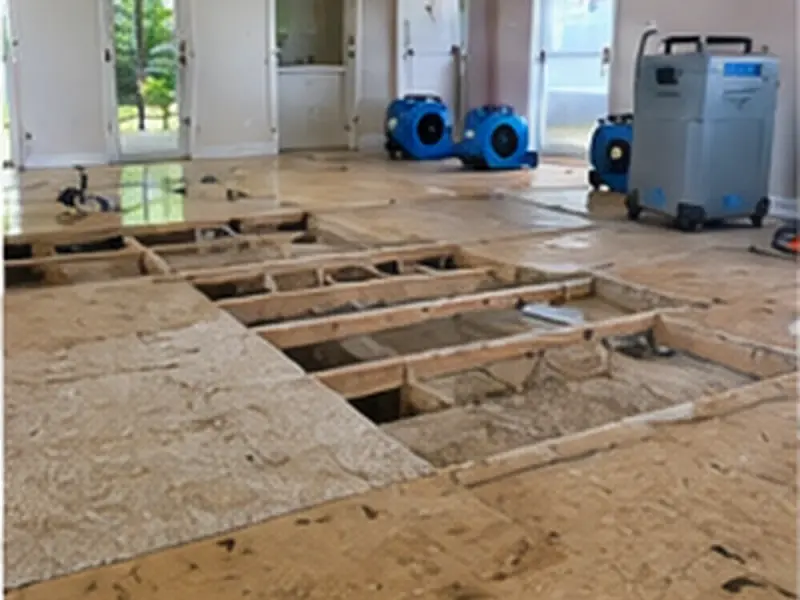
Crawlspace Water Removal & Drying
Check the floor system as well as the water beneath it.
Discuss this service ↓Need help with water damage in Buford?
Call with the source, the rooms affected and whether water is still entering. We can discuss the cleanup, drying and repair work needed.
Call (678) 329-9101