
Start with what happened. The right cleanup plan depends on the water source, the materials it reached and what is still wet.
A single event can involve several stages. A burst pipe needs a plumbing repair, water extraction and an inspection of the walls or floors below. A storm loss may also require contamination assessment, source protection and contents handling. These are connected tasks, but they should be explained separately in a written scope.
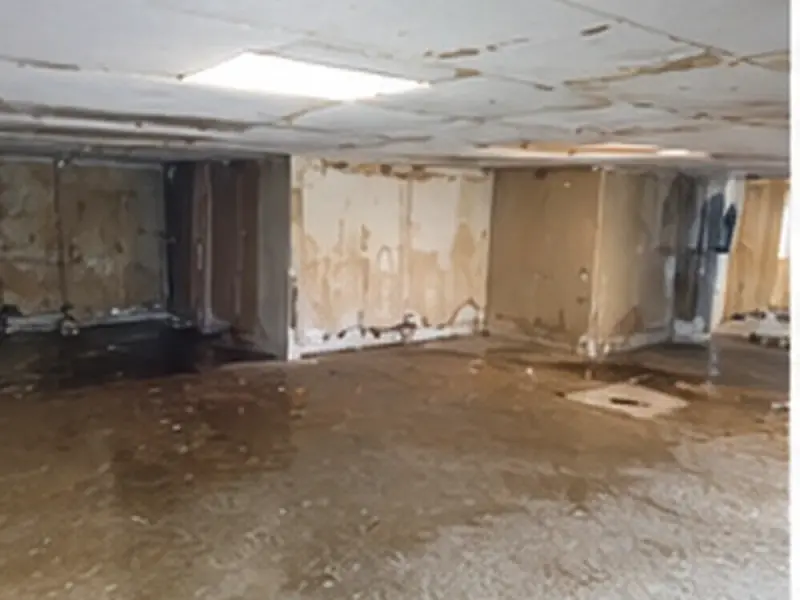
Commercial Water Damage Restoration
Planning cleanup around tenants, employees and the next business day.
Discuss this service ↓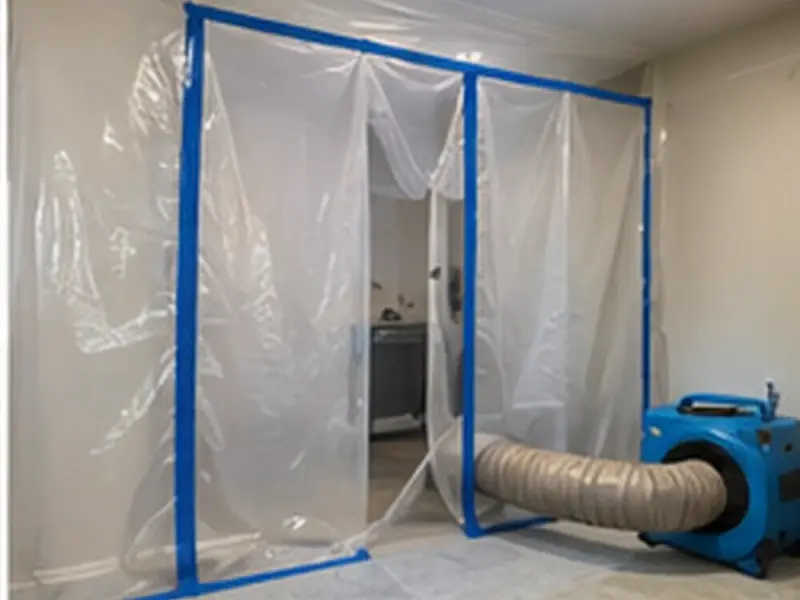
Mold Removal
Containment, physical removal and a plan for the moisture behind the growth.
Discuss this service ↓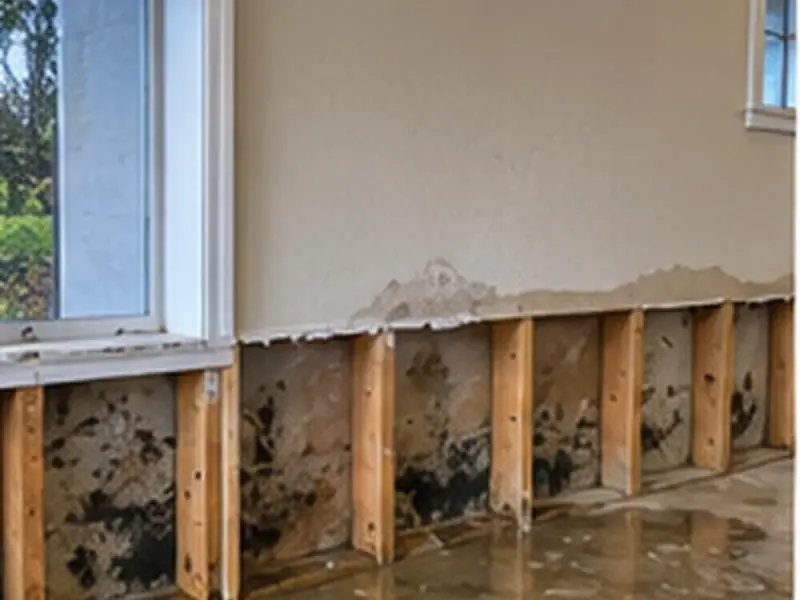
Frozen & Burst Pipe Cleanup
Find every wet layer after a broken supply line is repaired.
Discuss this service ↓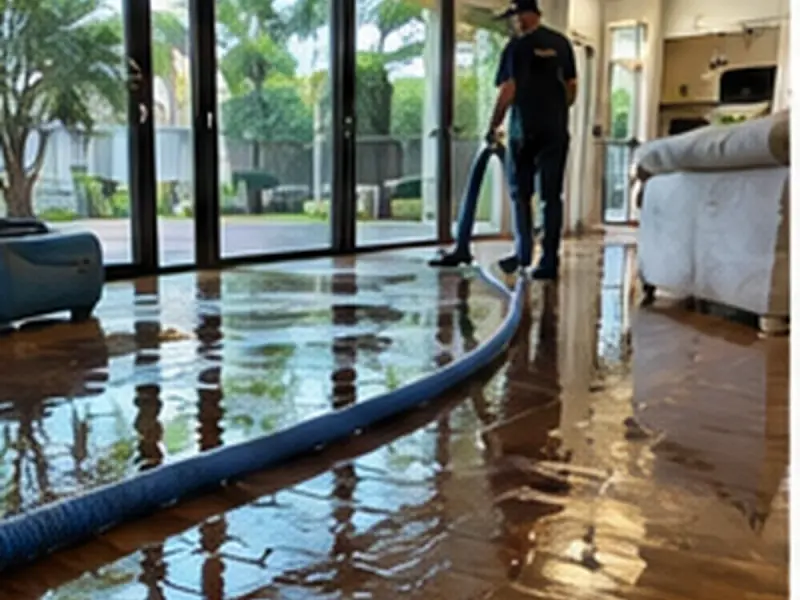
Flooded Basement Cleanup
Water removal and structural drying for finished and unfinished lower levels.
Discuss this service ↓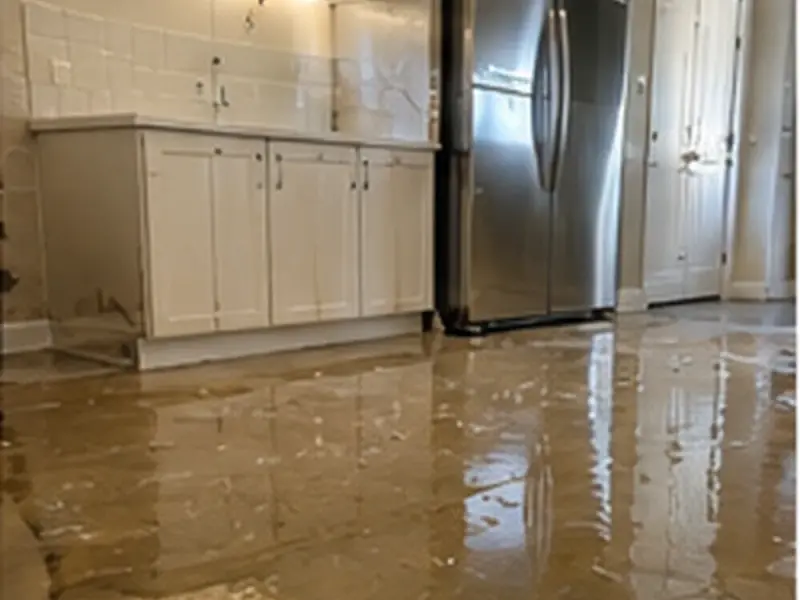
Sump Pump Failure & Flood Cleanup
Deal with the water inside while the pump problem is put right.
Discuss this service ↓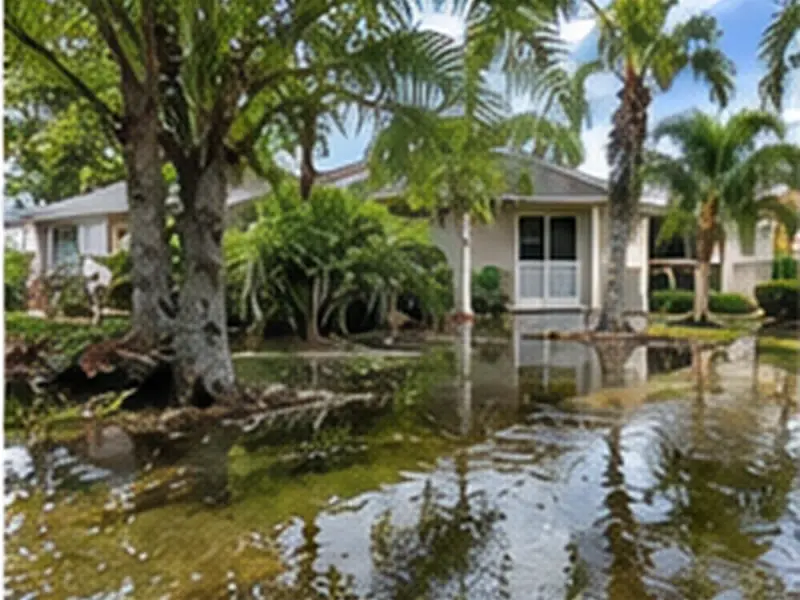
Storm & Flash Flood Water Removal
Cleanup that accounts for outside water, sediment and continuing rainfall.
Discuss this service ↓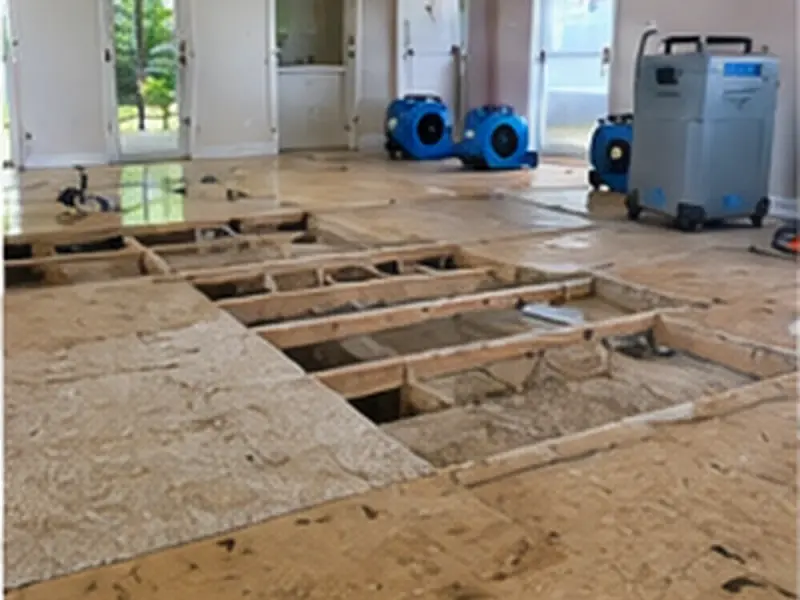
Crawlspace Water Removal & Drying
Check the floor system as well as the water beneath it.
Discuss this service ↓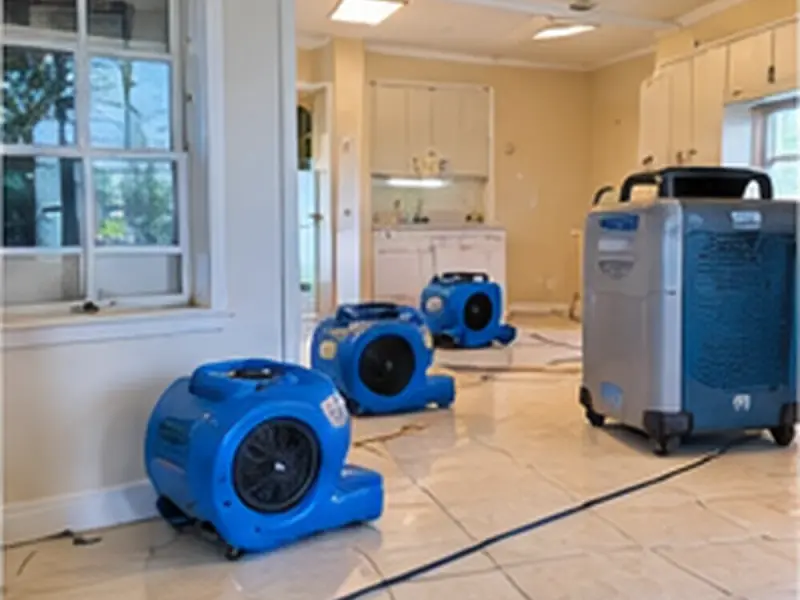
Structural Drying & Dehumidification
A measured drying plan for framing, walls, floors and enclosed spaces.
Discuss this service ↓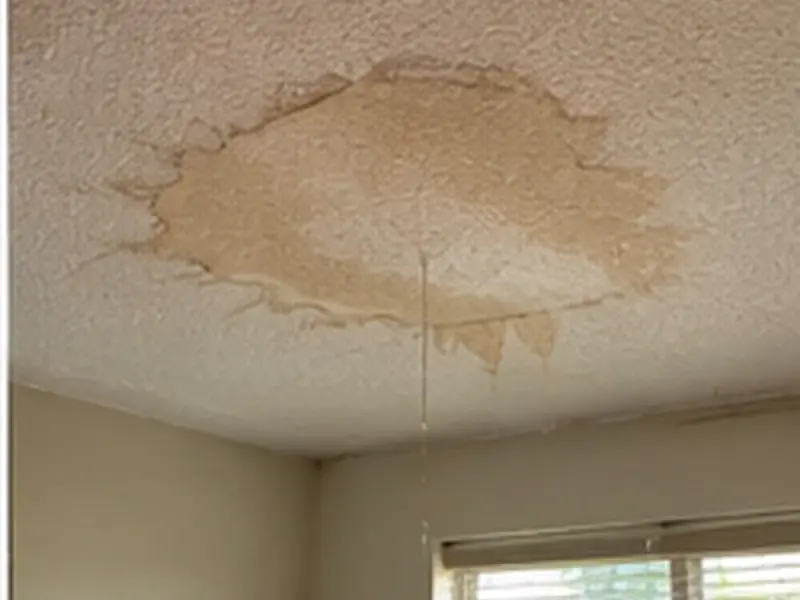
Ceiling & Multi-Level Leak Damage
Trace the route from an upstairs leak to the rooms below.
Discuss this service ↓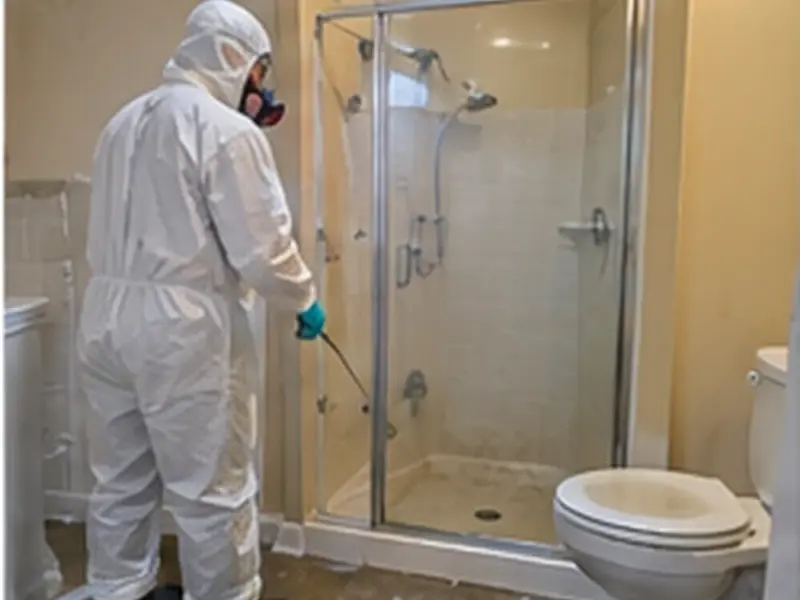
Sewage Backup Cleanup
Control access and contamination before the cleaning begins.
Discuss this service ↓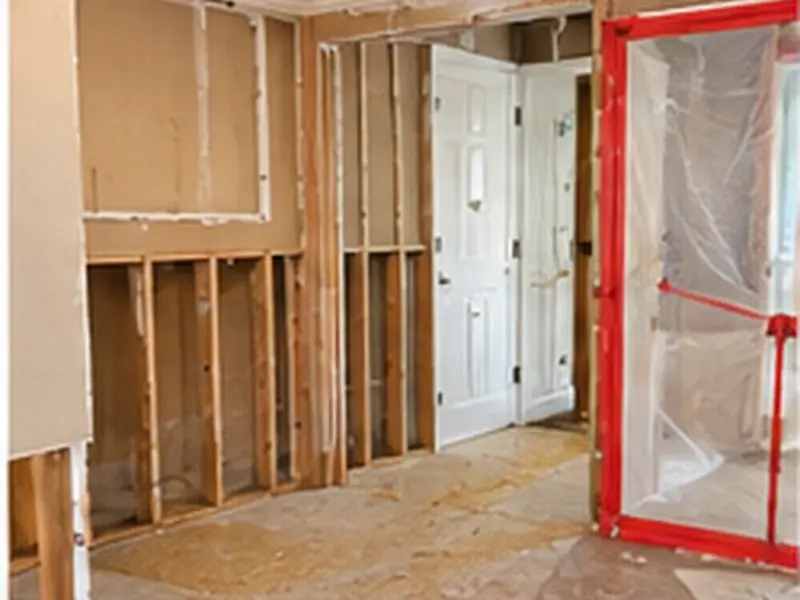
Water Damage Repair & Rebuild
Rebuild around a corrected source and documented dry materials.
Discuss this service ↓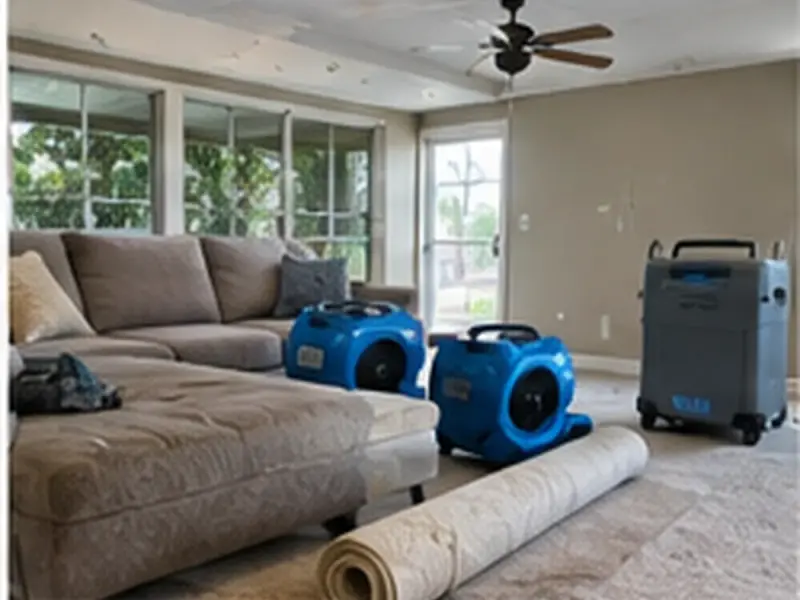
Contents Pack-Out & Cleaning
Decide what can stay, what needs cleaning and what must leave the work area.
Discuss this service ↓Not sure which page fits?
If water entered from outside, begin with storm or flooded basement cleanup. If the leak started above the affected room, read the ceiling and multi-level guide. Where the source has been repaired but materials remain wet, the structural drying page explains the next decisions.
For visible mold, the question is both what needs removal and why the material stayed damp. For sewage, access control and contamination decisions take priority. Do not choose a method from the appearance of the water alone.
What a complete scope should explain
- The suspected source and who is responsible for correcting it.
- The rooms and assemblies that have been assessed.
- Materials to retain, clean or remove, with the reason for each decision.
- The monitoring plan and documentation provided at completion.
- What repairs, trade work or contents handling are outside the quoted work.
Review the pricing guide for cost factors or use the illustrative cost estimator to understand how a larger footprint changes a planning allowance. Neither replaces an inspection or an agreed quote.
Put the next steps in writing.
Describe the source, affected rooms and materials. A written assessment should explain the work before you approve it.
Call (678) 329-9101