
What we see most around Buford
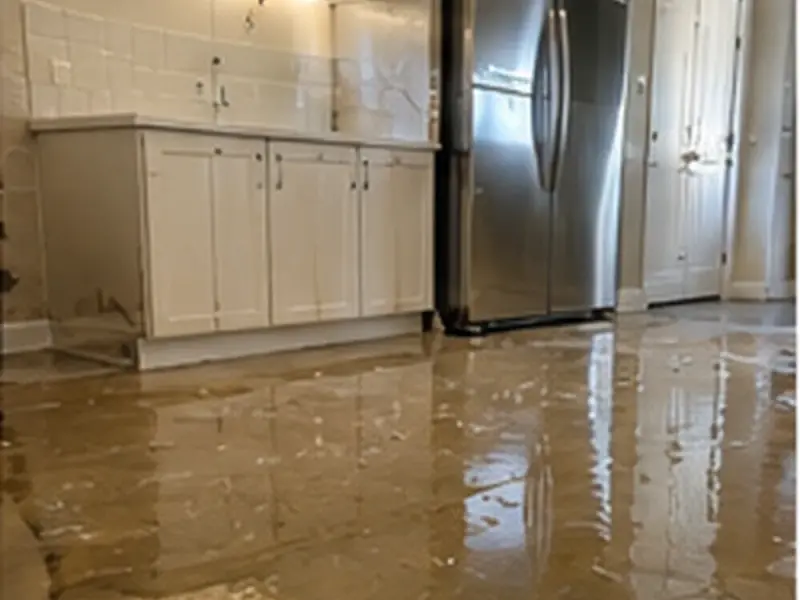
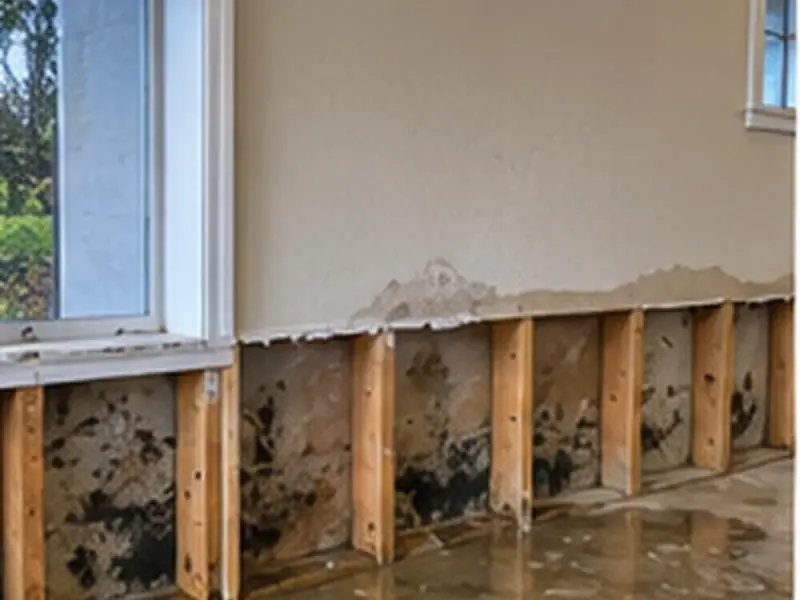
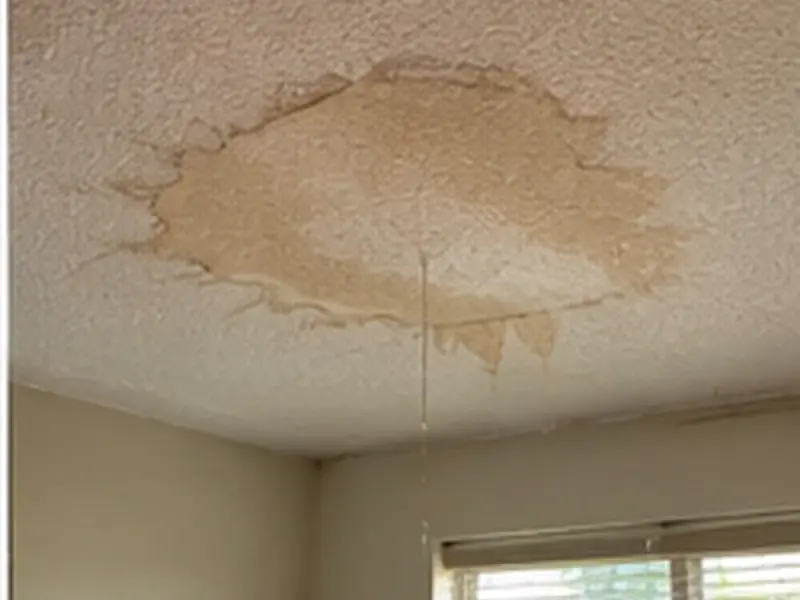
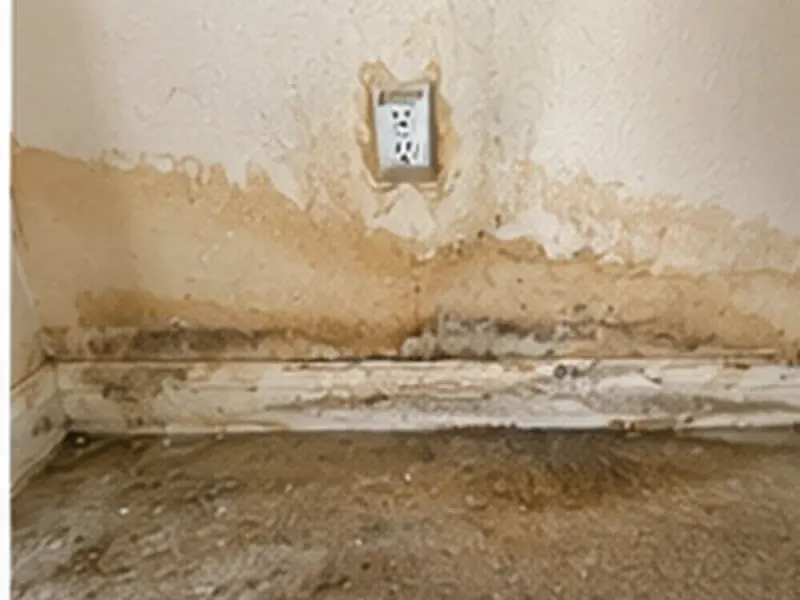
From standing water to hidden wall moisture, these examples connect visible damage with the cleanup work it can require.
Buford Water damage services for the whole loss
One event can need several kinds of work. A failed sump can leave a basement needing extraction, material removal and monitored drying. A leak from an upstairs room can involve ceilings and walls on the level below. Select a service to read the specific assessment and cleanup questions.
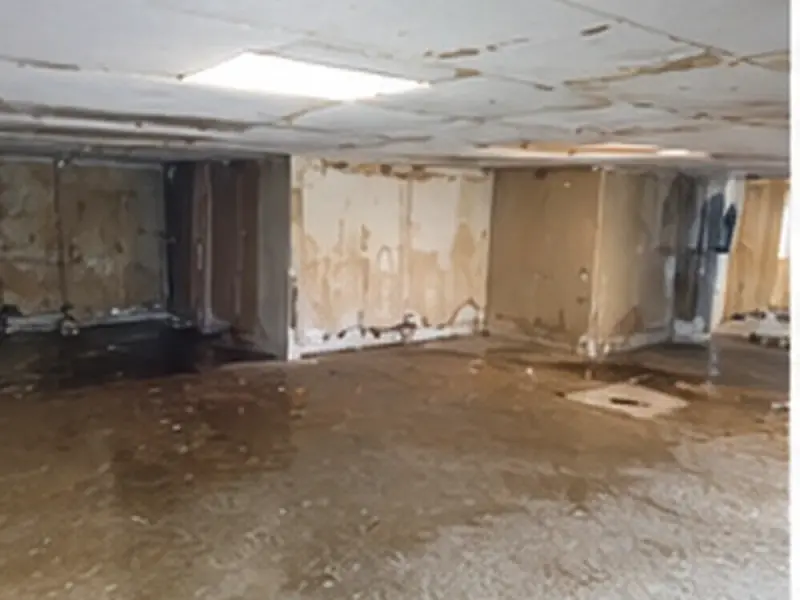
Commercial Water Damage Restoration
Planning cleanup around tenants, employees and the next business day.
Discuss this service ↓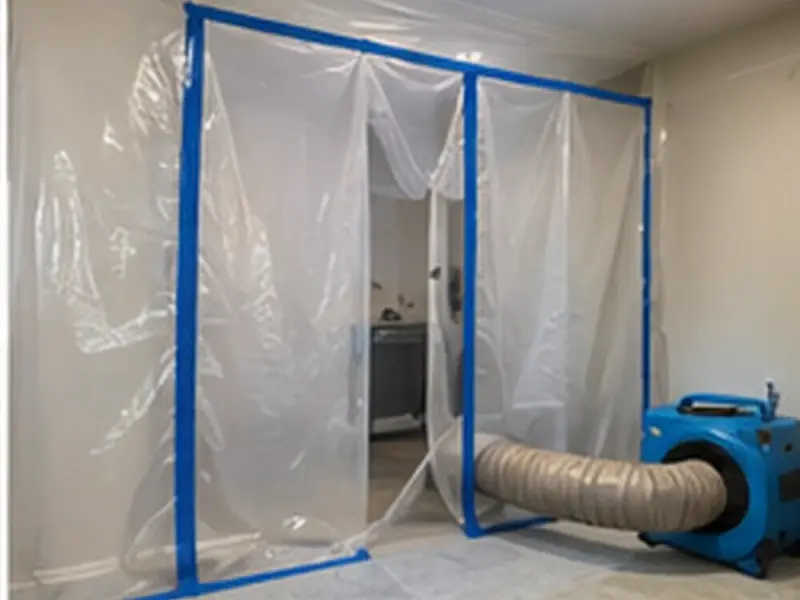
Mold Removal
Containment, physical removal and a plan for the moisture behind the growth.
Discuss this service ↓Frozen & Burst Pipe Cleanup
Find every wet layer after a broken supply line is repaired.
Discuss this service ↓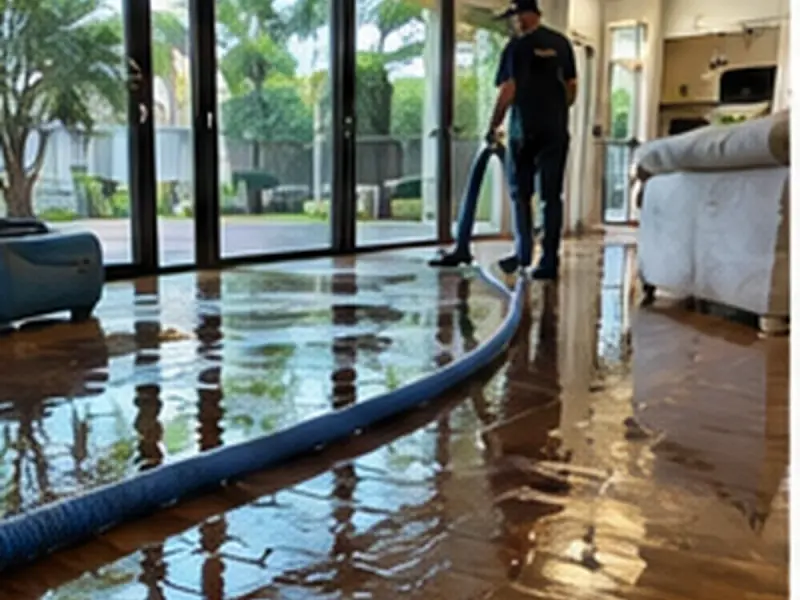
Flooded Basement Cleanup
Water removal and structural drying for finished and unfinished lower levels.
Discuss this service ↓Sump Pump Failure & Flood Cleanup
Deal with the water inside while the pump problem is put right.
Discuss this service ↓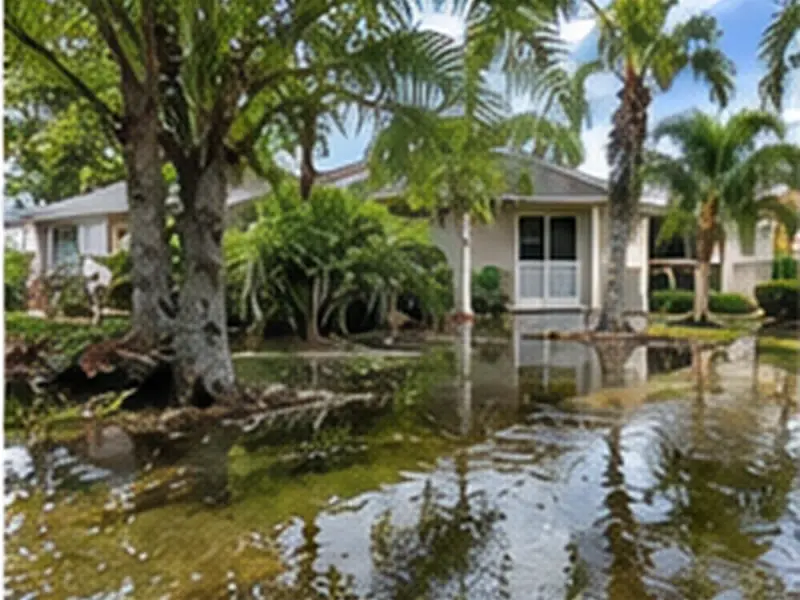
Storm & Flash Flood Water Removal
Cleanup that accounts for outside water, sediment and continuing rainfall.
Discuss this service ↓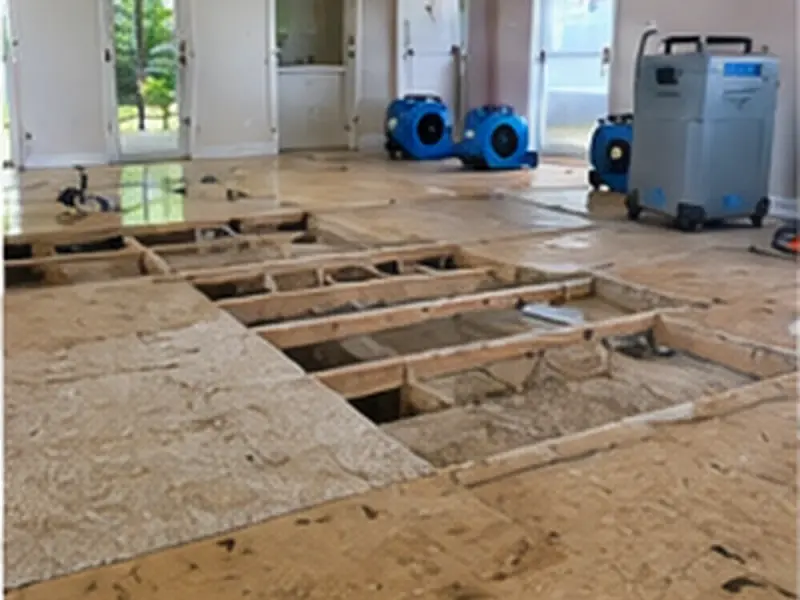
Crawlspace Water Removal & Drying
Check the floor system as well as the water beneath it.
Discuss this service ↓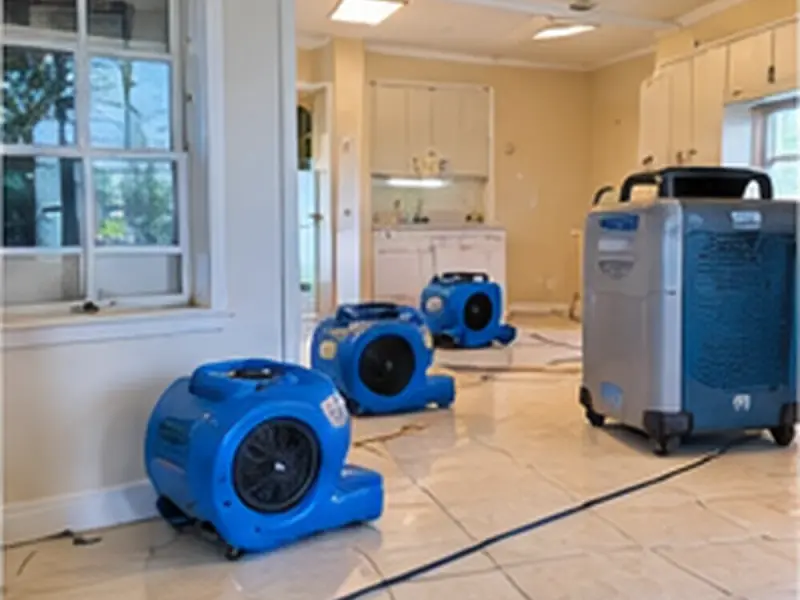
Structural Drying & Dehumidification
A measured drying plan for framing, walls, floors and enclosed spaces.
Discuss this service ↓Ceiling & Multi-Level Leak Damage
Trace the route from an upstairs leak to the rooms below.
Discuss this service ↓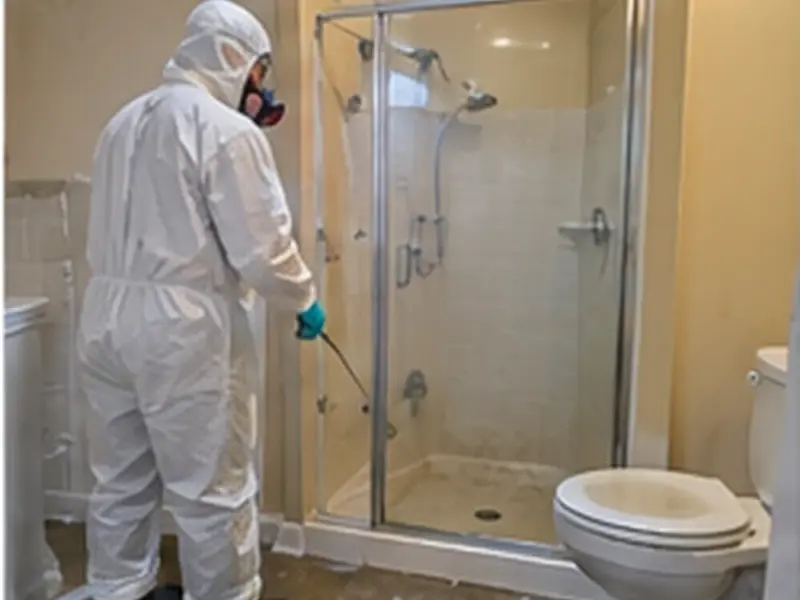
Sewage Backup Cleanup
Control access and contamination before the cleaning begins.
Discuss this service ↓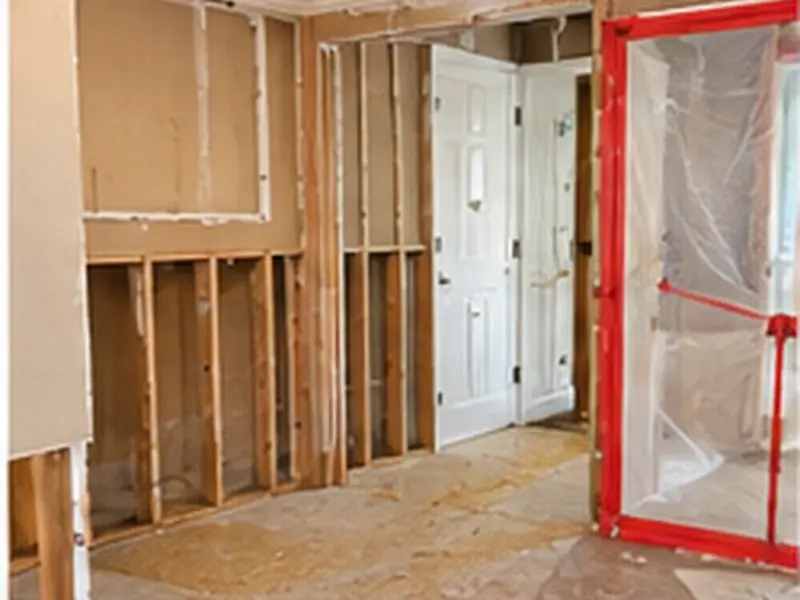
Water Damage Repair & Rebuild
Rebuild around a corrected source and documented dry materials.
Discuss this service ↓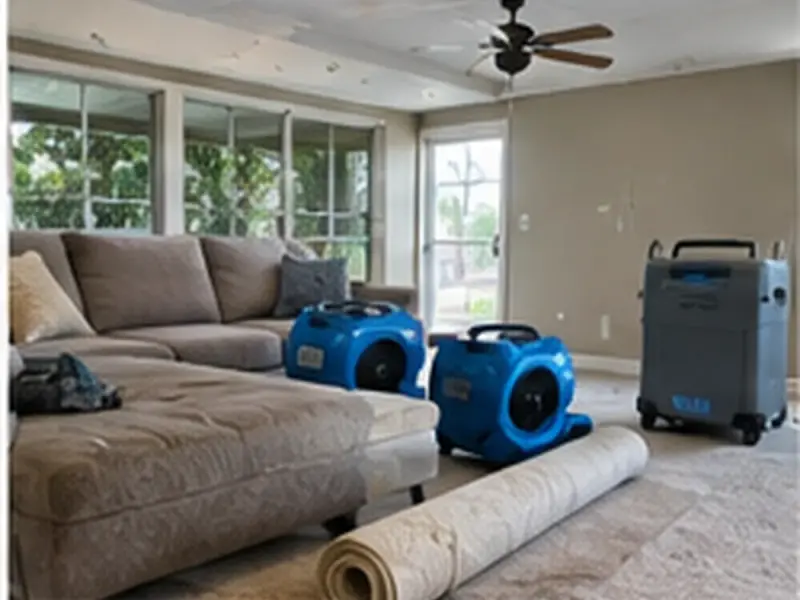
Contents Pack-Out & Cleaning
Decide what can stay, what needs cleaning and what must leave the work area.
Discuss this service ↓Water damage is bigger than the puddle.
A basement floor can look dry while the pad underneath is still soaked. A repaired pipe can leave water inside the wall. The room needs more than a surface cleanup before it goes back together.
Buford Water Mentor starts with the questions that change the job: where did the water come from, what did it contact and which materials are still affected? Those answers guide extraction, cleaning, drying and the choice to retain or remove a finish. The plan should make those decisions understandable before work begins.
A homeowner should not have to guess why equipment is running or why a wall needs opening. Ask for the affected rooms, the material findings and the next review point in writing. For a business, the same plan also needs to explain access, work boundaries and any effect on occupied areas.
Why a Buford home takes on water
There is no single explanation for every wet basement. Runoff beside the foundation, a sump problem, a supply leak and an upstairs overflow can leave similar-looking indoor damage. The source needs investigation before choosing a lasting correction. The home's construction matters too: a finished lower level hides different layers from an exposed slab or a crawlspace floor system.
On properties with dense clay soil, drainage deserves attention. Water can collect close to the house when runoff has nowhere useful to go. Sloped ground can direct it toward one wall, while a low opening or basement stairwell creates another possible route. Those exterior observations help the investigation; they do not replace an inspection of the actual entry point.
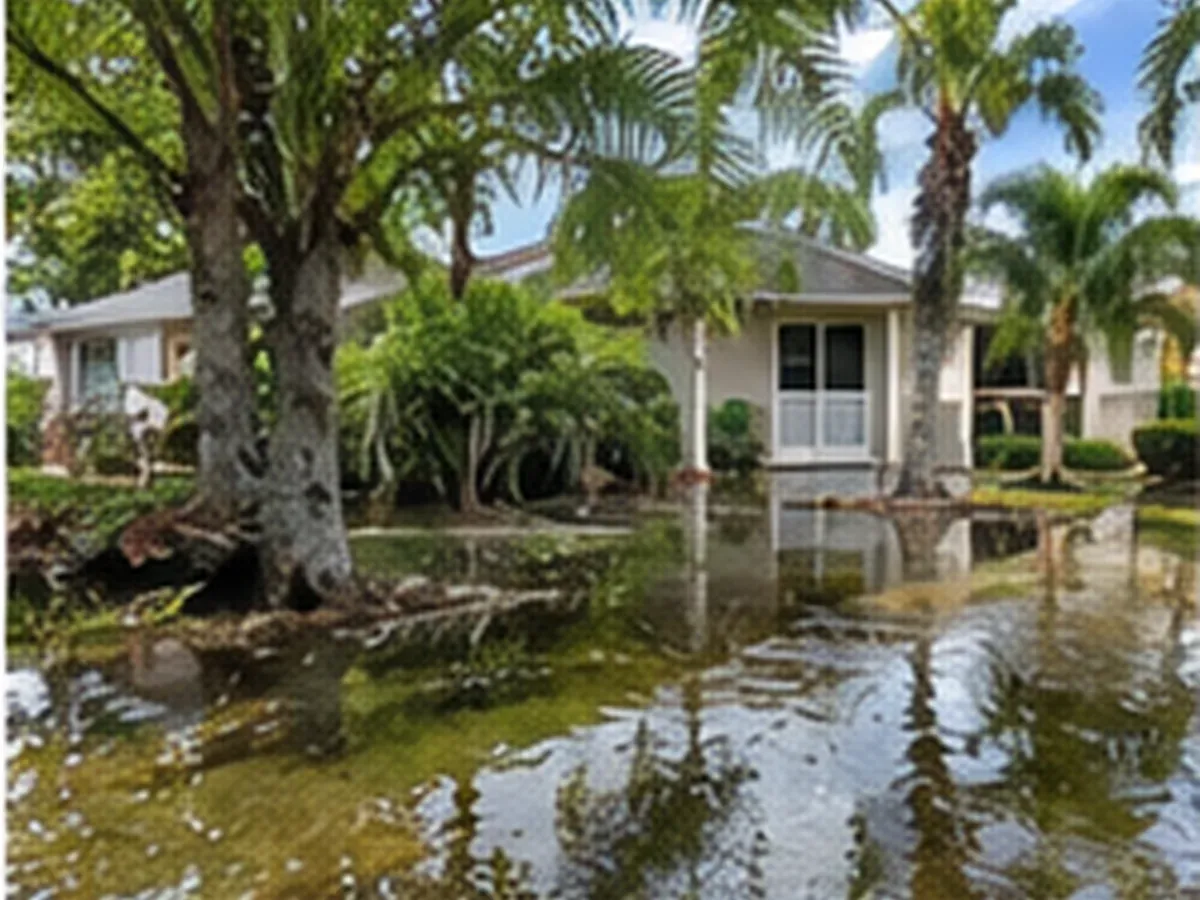
Runoff outside. Moisture inside.
When water collects beside a foundation, an opening or seam may become its route indoors. Water removal handles the immediate loss. Grading, discharge and foundation corrections need their own assessment.
Lake-area properties and homes with crawlspaces also need attention to persistent dampness. A lack of standing water does not establish that joists, insulation or subfloor materials are dry. Changes in odor, staining or the feel of a floor deserve a building-specific assessment. Do not enter a wet or restricted crawlspace to investigate it yourself.
The first 48 hours: useful action, without guesswork
Early attention can help limit the spread, but a clock does not tell you whether a room is dry. The immediate priorities are safe access, stopping further water where possible and establishing what was affected. A wet ceiling, electrical concern or contaminated release changes what is appropriate to do next.
Keep the area safe
Avoid wet electrical systems, unstable surfaces and unknown water. Keep occupants away from the affected room where needed.
Record what happened
Note the discovery time, apparent source and affected rooms. Take photographs only from a safe position.
Assess, extract & dry
Use the source and moisture findings to choose access, cleanup and a monitored drying plan.
How a job runs from first assessment to repair
The first assessment should identify the source, immediate hazards and likely footprint. Extraction removes bulk water; it does not finish the inspection. Wet flooring layers, wall cavities and contents may need further access or separate handling. Material decisions should reflect contamination and condition as well as the ability to dry them.
The cleanup sequence
- 1Map the source, affected rooms and wet materials.
- 2Extract water and agree on cleaning or selective removal.
- 3Dry retained materials and review progress readings.
- 4Confirm the handover and price the repair work separately.
During drying, ask what the measurements show and whether the setup needs adjustment. At completion, ask which materials were retained, what was removed and what still needs repair. Keeping mitigation and rebuilding distinct makes the schedule, invoices and insurance conversation easier to follow.
What to ask any restoration company
A written proposal answers practical questions. Which rooms were checked? What is being removed, and why? How will concealed moisture be reached? What records will you receive? Those questions matter more than a promise that every job takes the same number of days.
- Scope: ask for the work area, included trades and exclusions.
- Equipment: ask how the setup relates to the wet materials and how charges accrue.
- Changes: agree on how new findings and additional work will be approved.
- Completion: understand the drying review and what rebuilding still involves.
Be cautious about certainty offered before inspection. No one can establish the condition of a hidden floor from a phone description alone. A clear explanation of what needs checking is more useful than a guarantee that every finish can be saved or every insurance charge will be paid.
Mold needs a moisture answer.
Containment, HEPA filtration and physical cleanup each have a role. A spray or a coat of paint does not explain why the wall stayed wet or how affected porous material will be handled.
Read about mold removal »Commercial cleanup needs an operating plan.
Property managers need to coordinate tenants, access and records. Discuss work boundaries and scheduling without assuming the whole building can reopen on a preset date.
Commercial water damage restoration »A repaired pipe can leave a wet structure.
Cold-exposed lines in garages, exterior walls, crawlspaces or attic runs may release water into several levels. After the plumber stops the leak, the affected assemblies still need checking.
Frozen & burst pipe cleanup »Buford and the communities around it
Read a guide built around the property questions for each nearby area. Availability and scheduling should be confirmed for your specific location.
Water cleanup questions, answered plainly
The water is gone. Why is cleanup still needed?+
Water can remain beneath flooring, inside walls and in insulation after puddles disappear. An assessment should identify those materials and explain whether they need drying access, cleaning or removal.
How long should drying equipment stay?+
The decision should follow material readings and the drying plan. Source, contamination, access and the type of assembly affect the time. Ask what remains wet rather than relying on a fixed number of days.
Can the original floor and drywall be saved?+
Sometimes. Material condition, contamination and access to trapped moisture determine the options. Ask which findings support keeping a material and which support removal.
Does a plumber handle the water damage too?+
The plumber repairs the source. Extraction, contamination cleanup and structural drying are separate tasks unless specifically included. Make sure each responsibility has an agreed scope.
Will my insurance cover the loss?+
Coverage depends on the policy, the source and the circumstances. Photos, measurements and repair records help document the event, but the insurer decides coverage. Keep optional upgrades separate from necessary restoration.
What should I do before an assessment?+
Stay away from standing water near electrical equipment, sagging ceilings and contaminated areas. Record what you can see from a safe location and note when the water appeared. Do not disturb damaged materials to make the room look ready.
Start with what happened to your property.
Identify the source if you know it, the rooms affected and whether water is still entering. Those details help shape the next assessment.
Call (678) 329-9101