
These photographs illustrate the kinds of water damage and cleanup work that can affect Buford-area homes and businesses. Browse the conditions, equipment and repair stages to see what a written restoration plan may need to address.
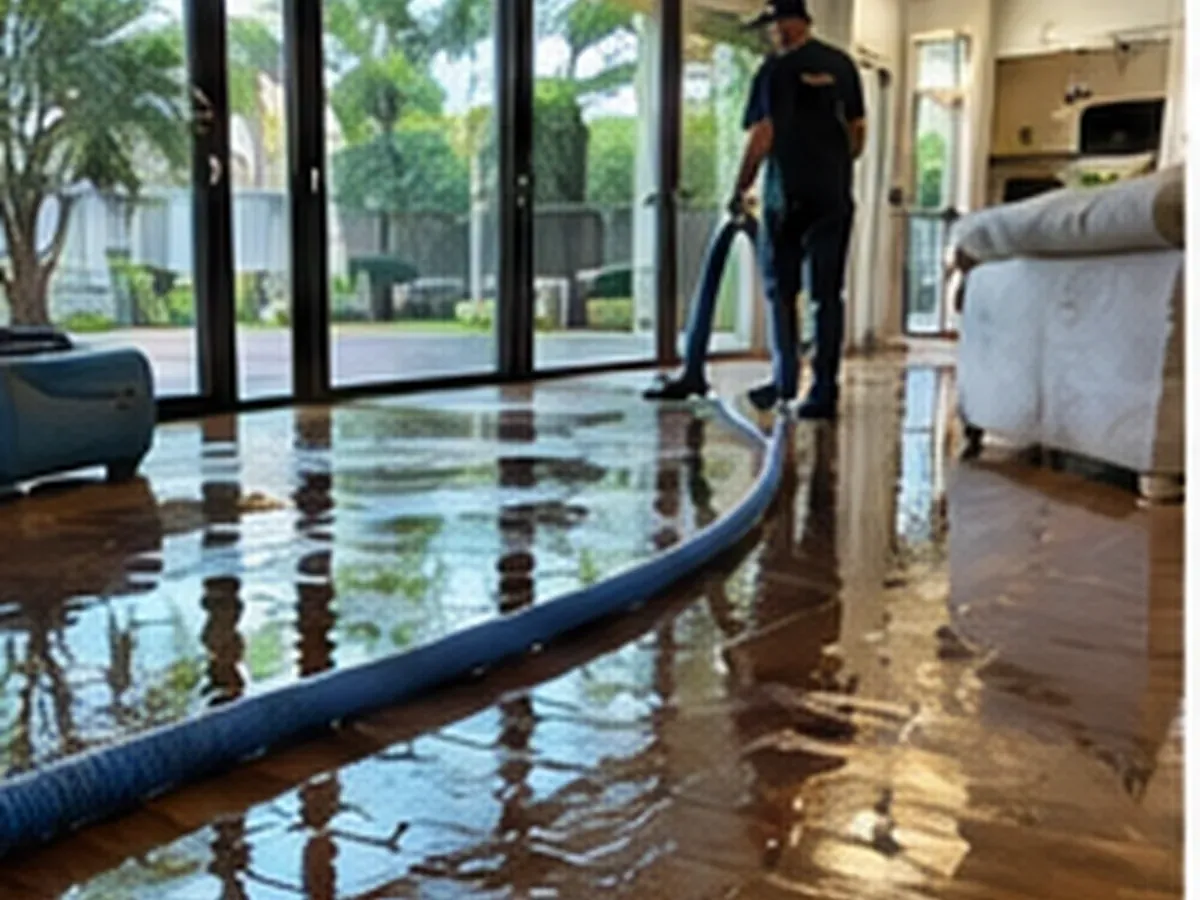
Water extraction
Removing standing water is the beginning of a drying job.
See this service »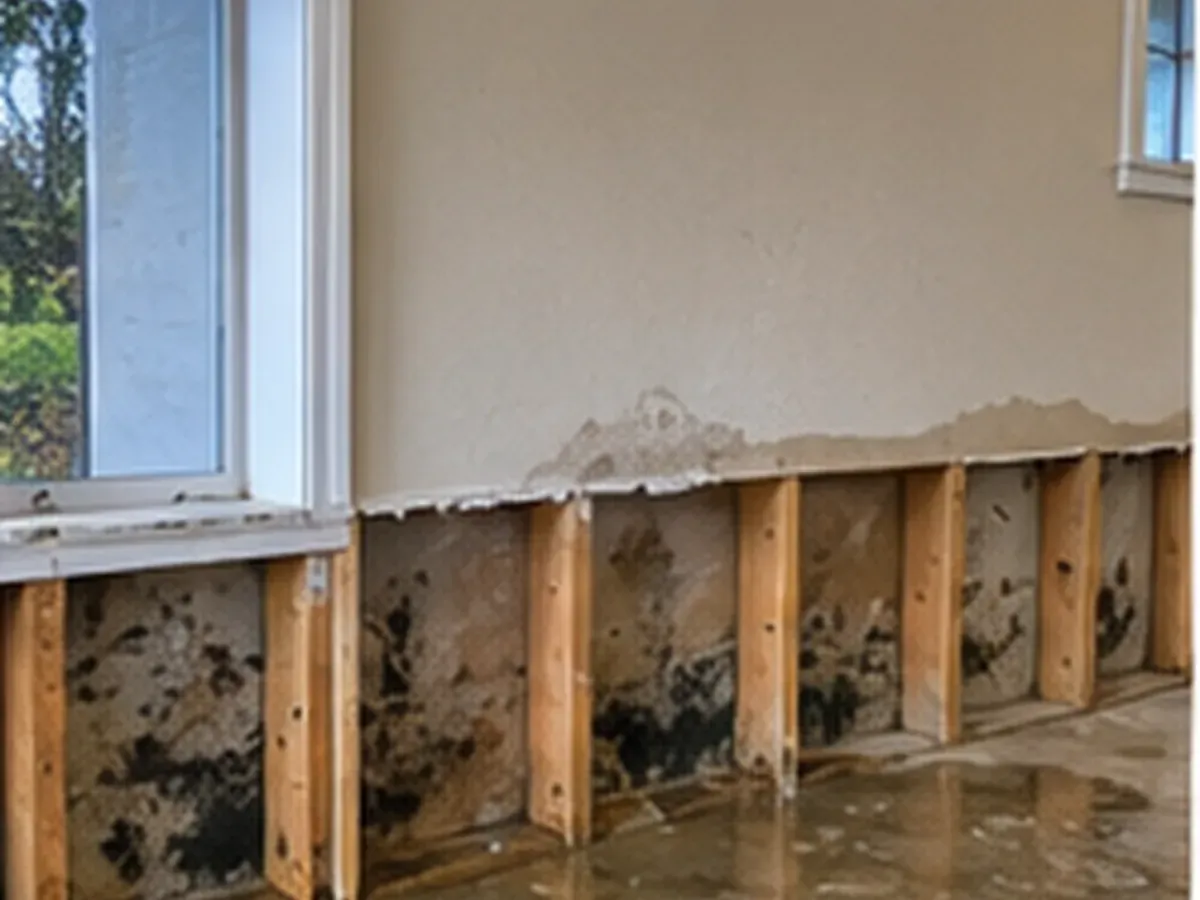
Inside a wet wall
An opened wall reveals damage hidden behind the finished surface.
See this service »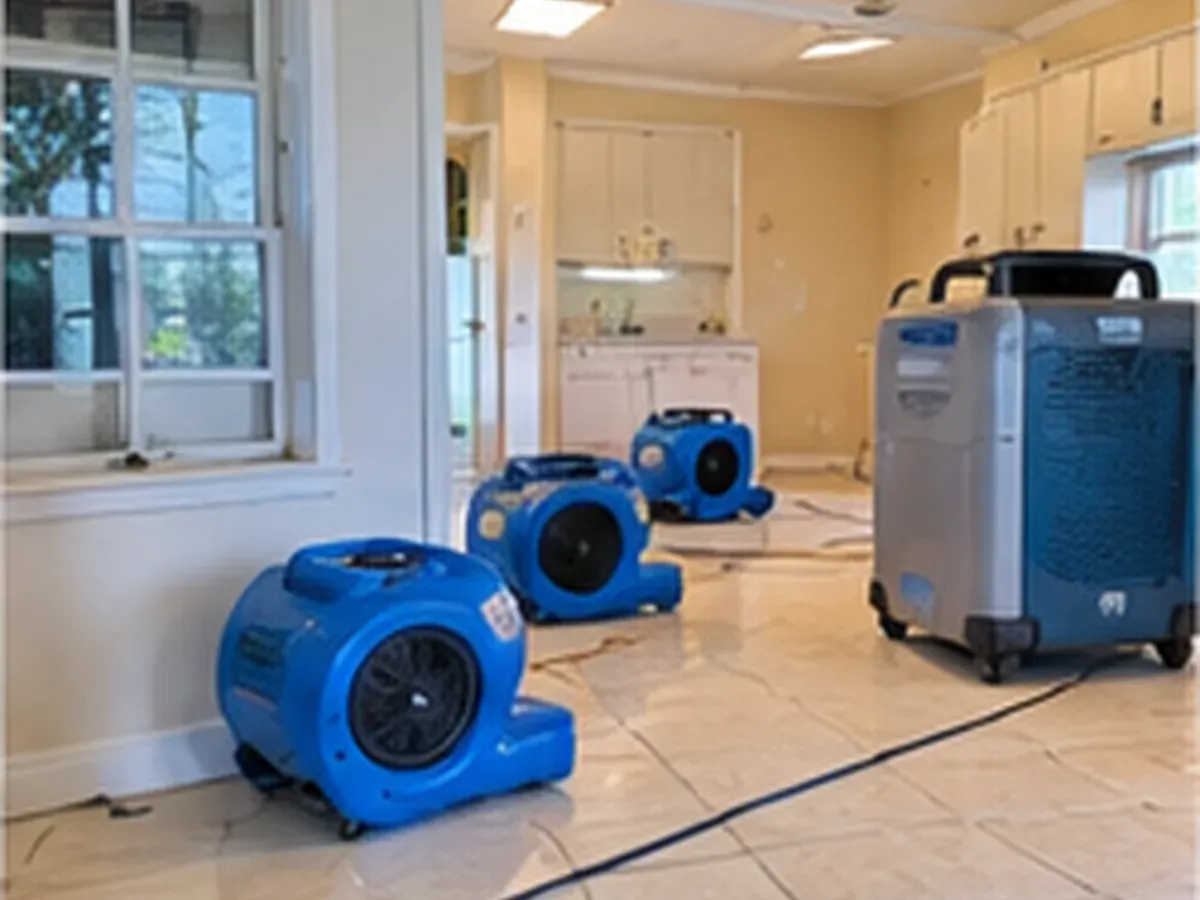
Structural drying equipment
Air movement and dehumidification work together to dry affected materials.
See this service »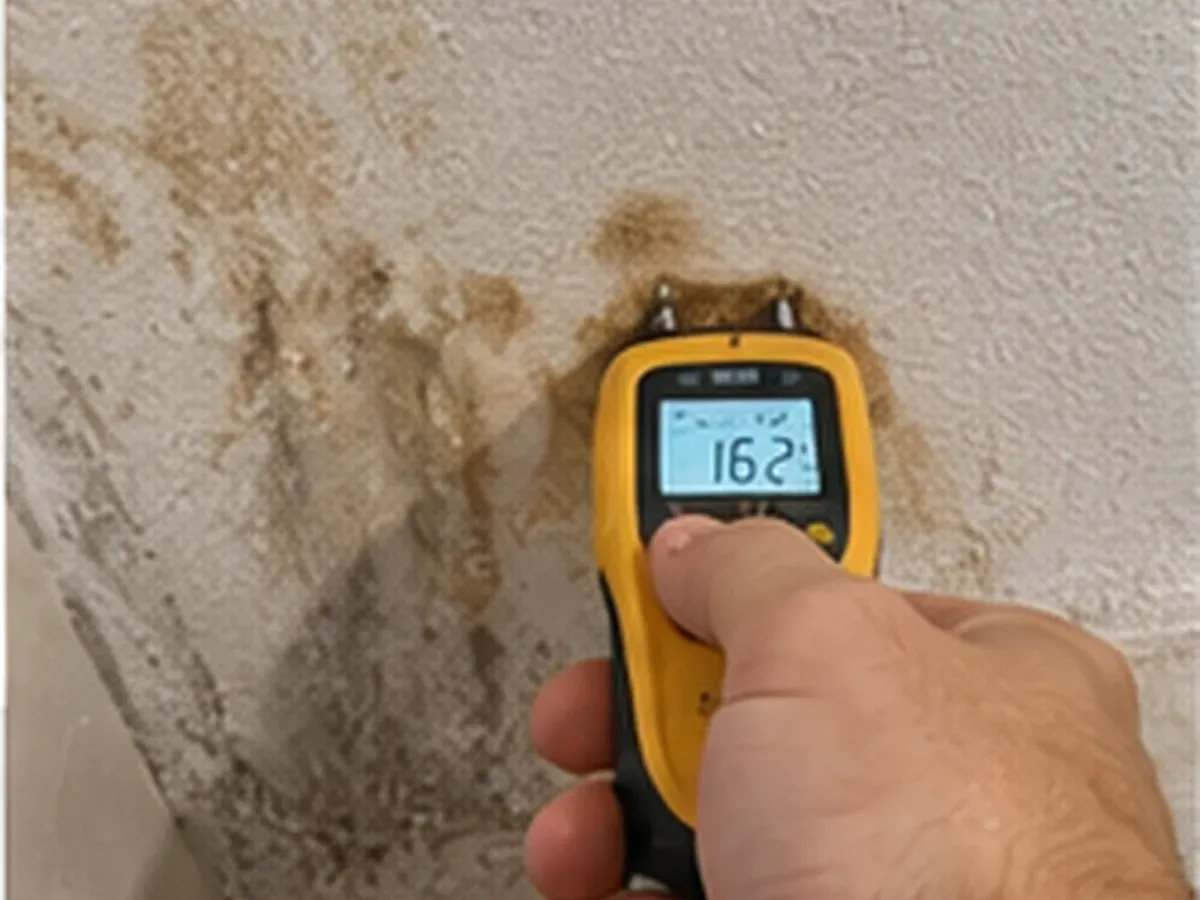
Checking wall moisture
Moisture readings help define the area that needs drying.
See this service »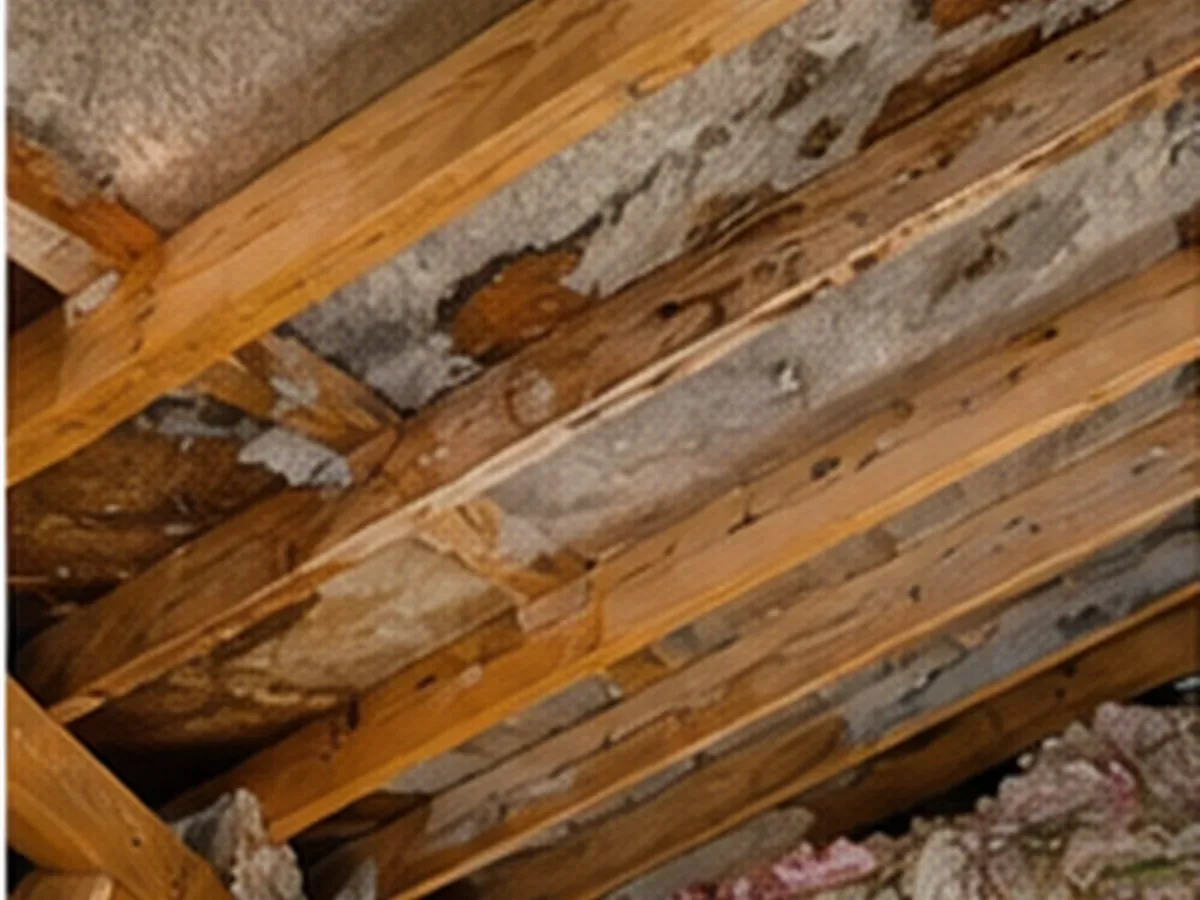
Roof and attic damage
A roof leak can wet insulation and framing before stains appear below.
See this service »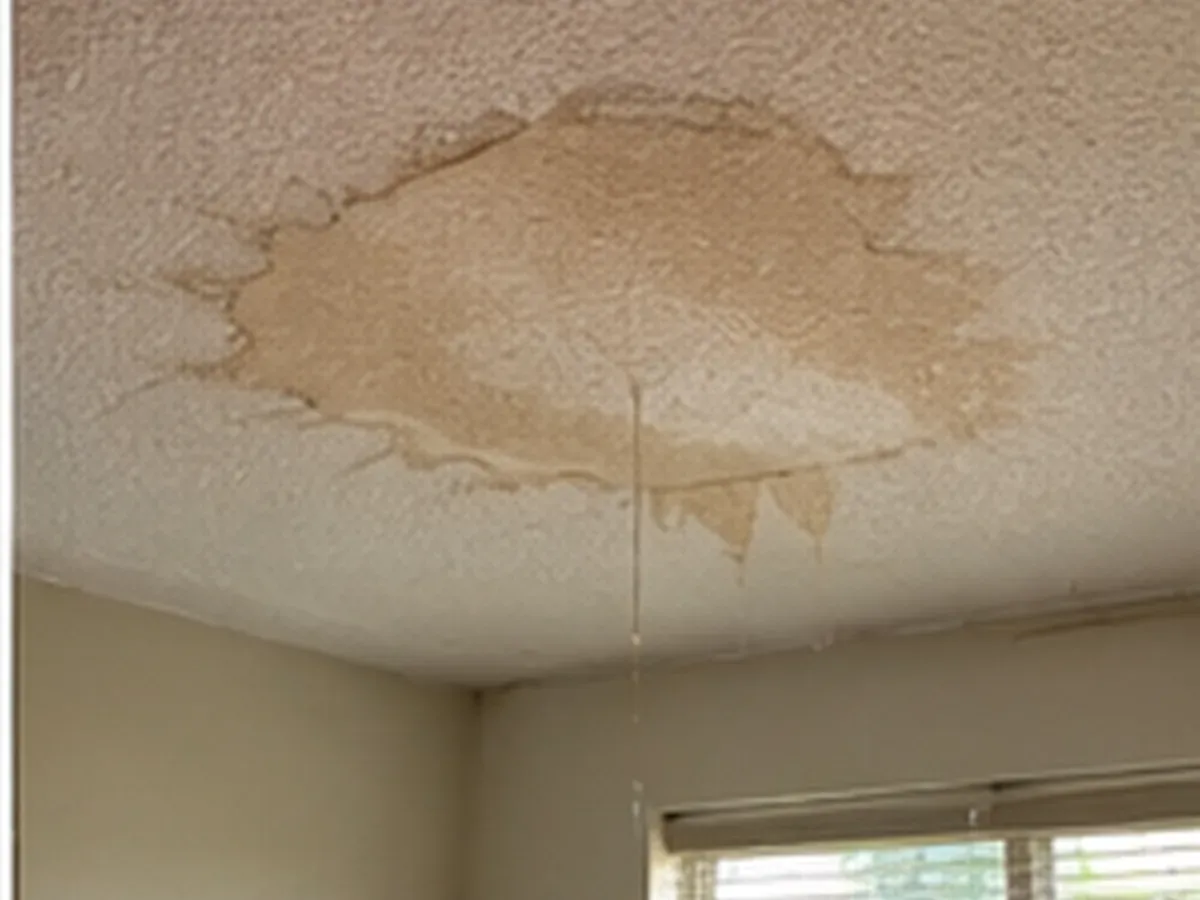
Ceiling leak
Ceiling staining marks the visible part of a leak from above.
See this service »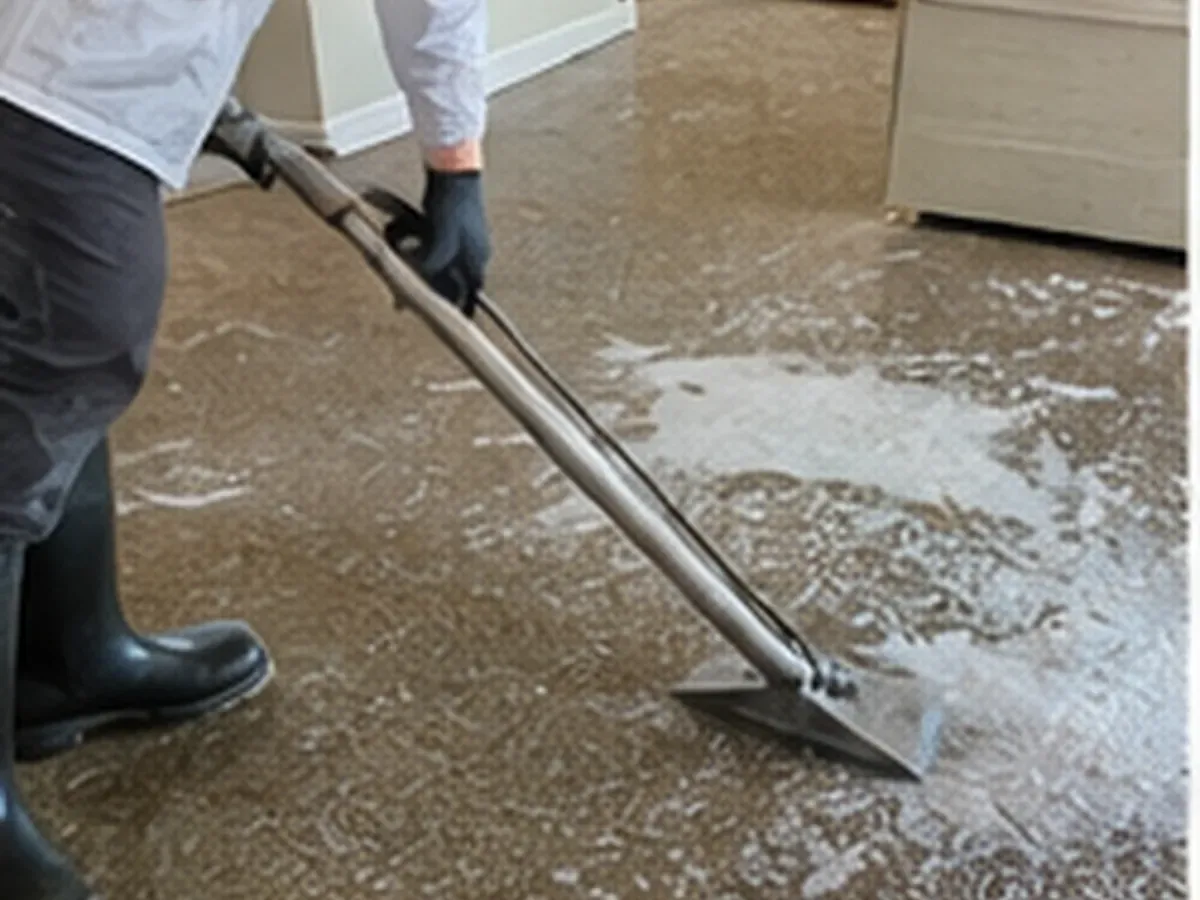
Extracting a wet carpet
Extraction removes water held in carpet before the drying stage.
See this service »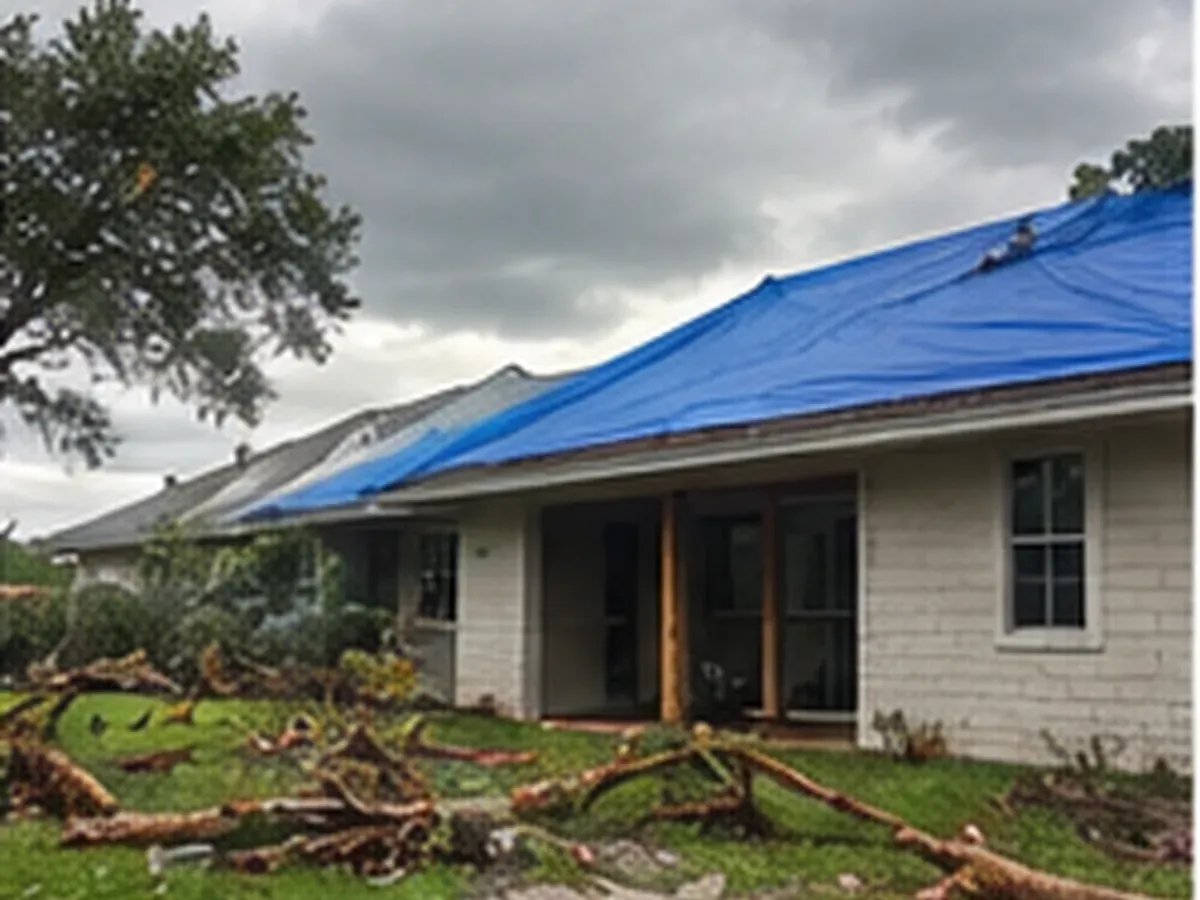
Storm protection
Temporary roof protection helps limit additional rain entering a building.
See this service »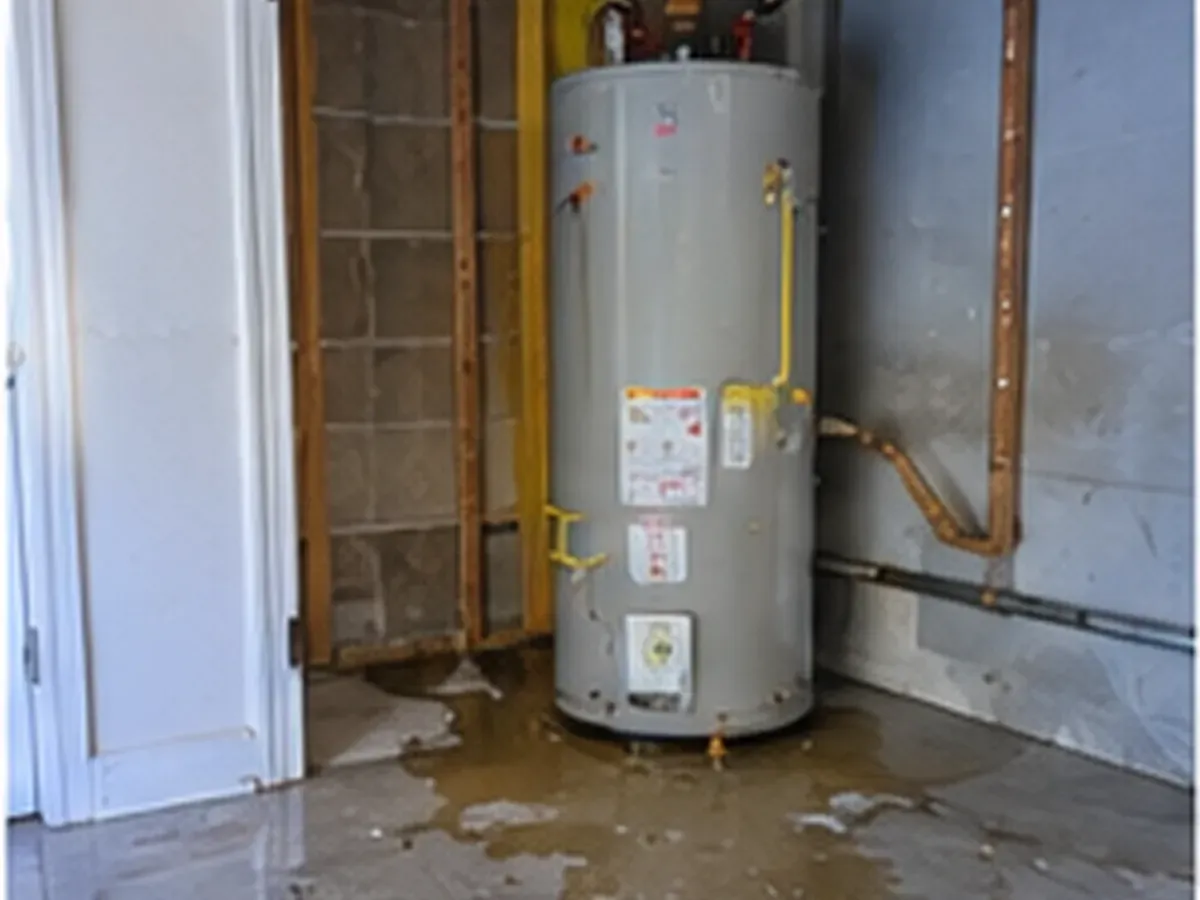
Water heater leak
A leaking water heater can affect the floor and nearby wall cavities.
See this service »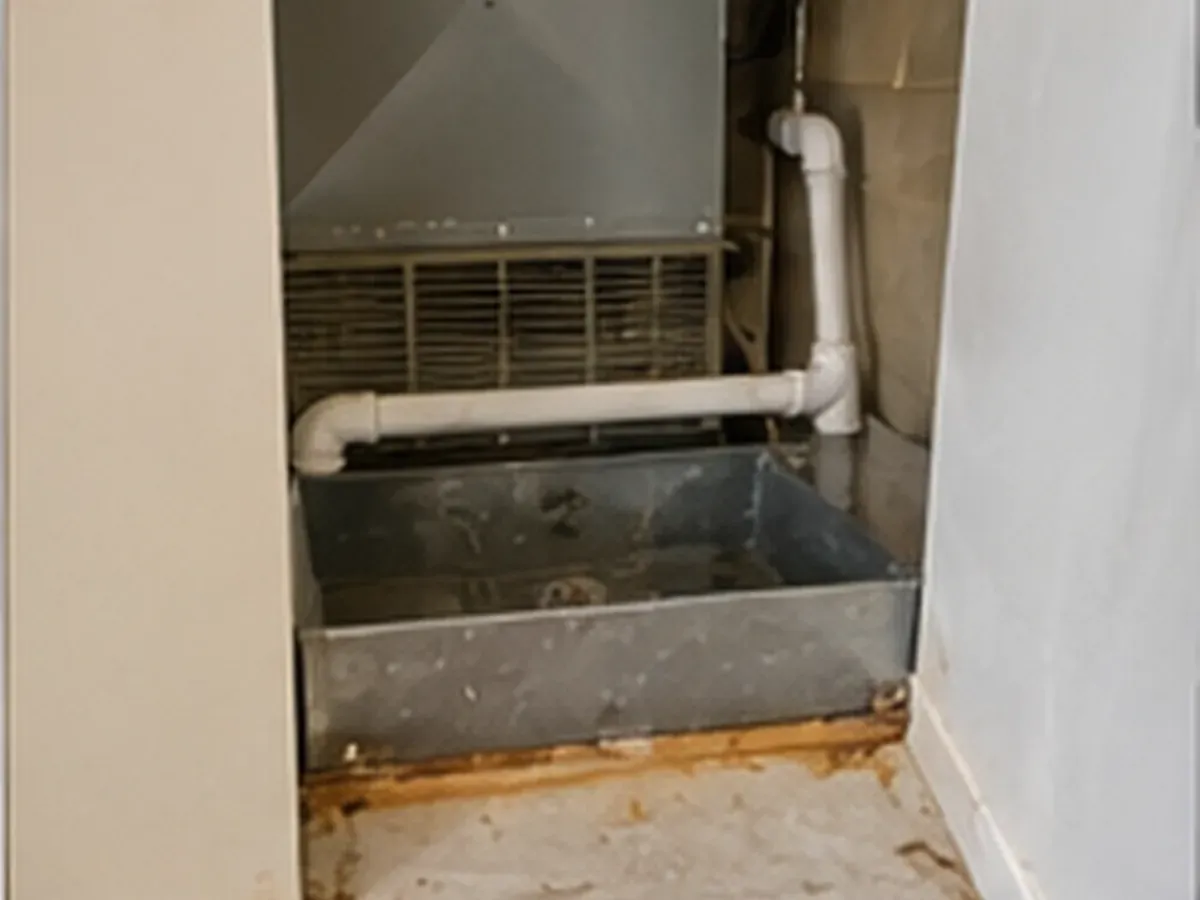
Air conditioning overflow
Condensate problems can create a small but persistent water loss.
See this service »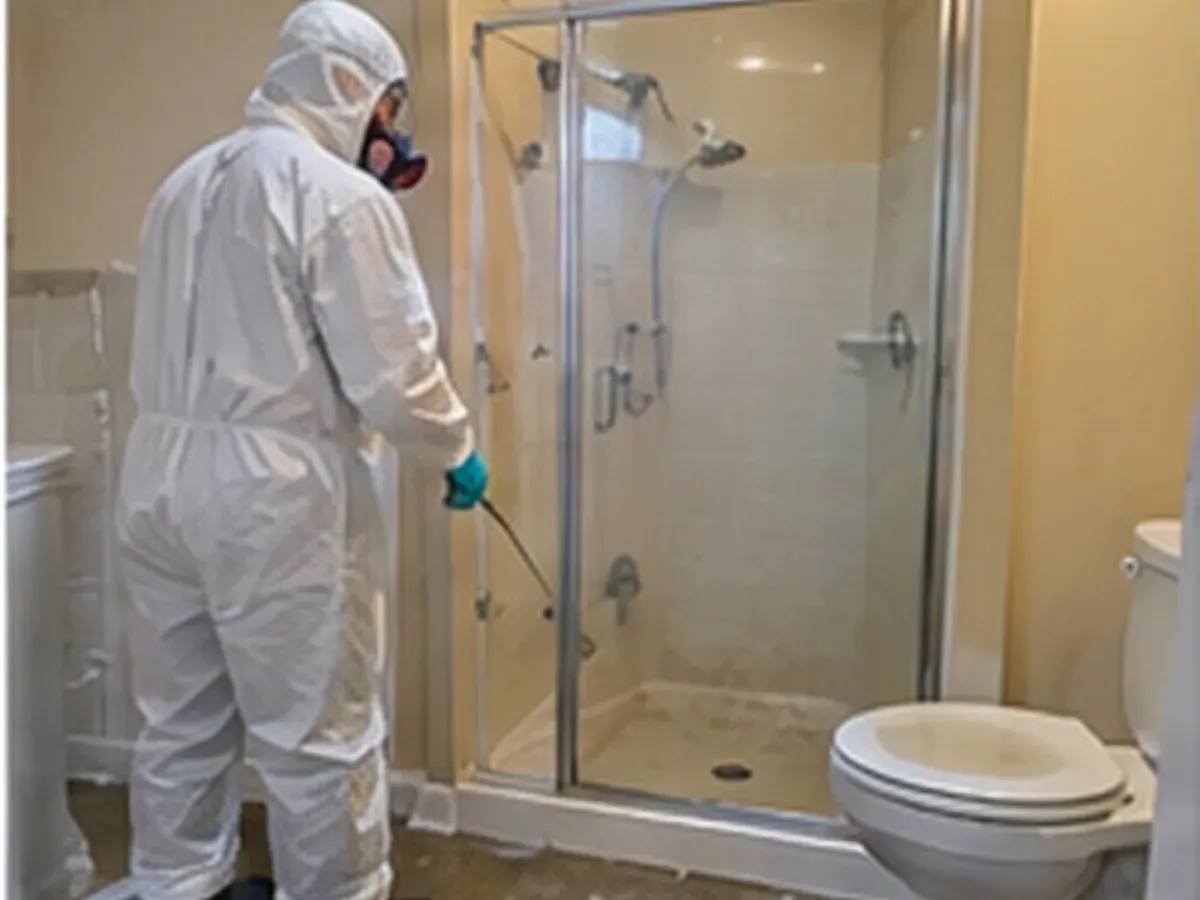
Cleaning affected surfaces
Protective equipment and controlled cleaning belong in contaminated spaces.
See this service »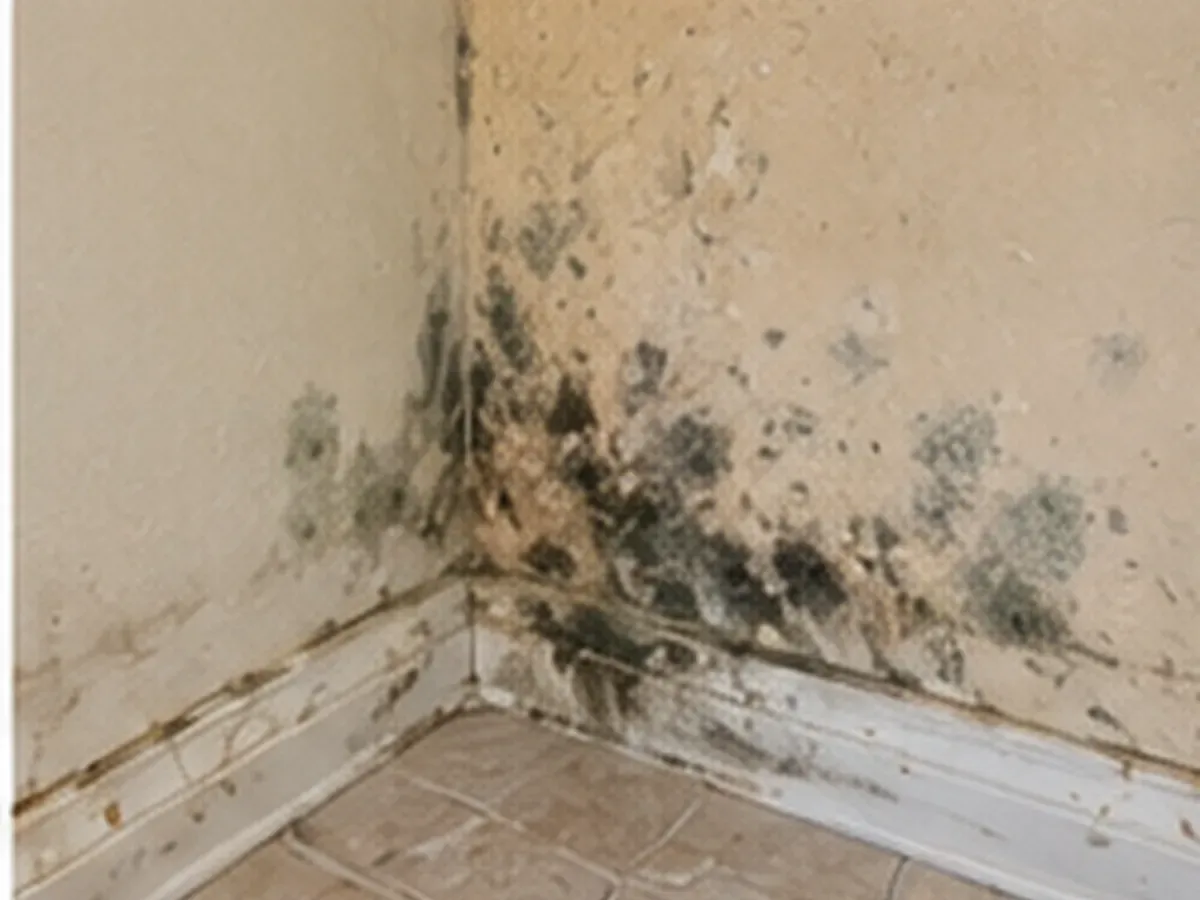
Wall mold damage
Visible growth is a reason to investigate the moisture behind it.
See this service »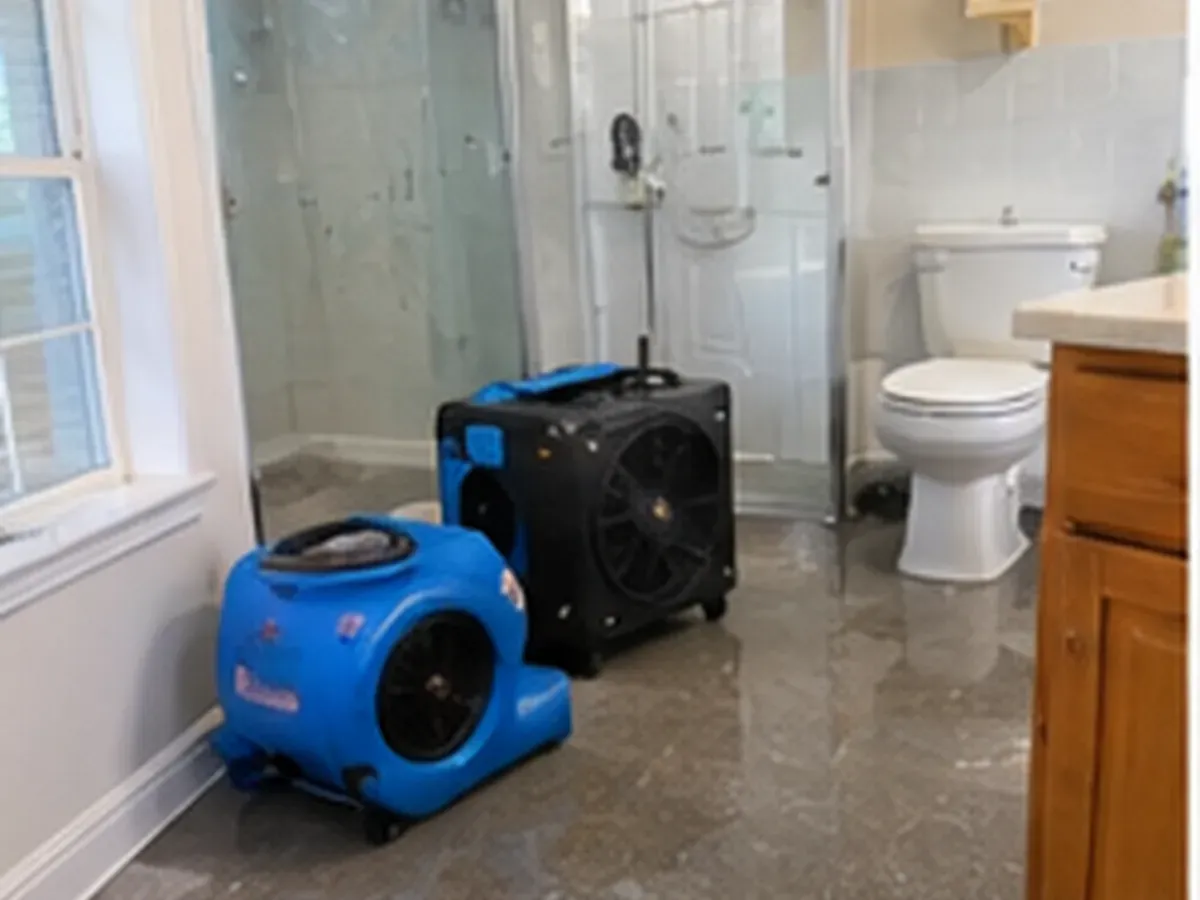
Bathroom drying
Small rooms can still need a coordinated structural drying plan.
See this service »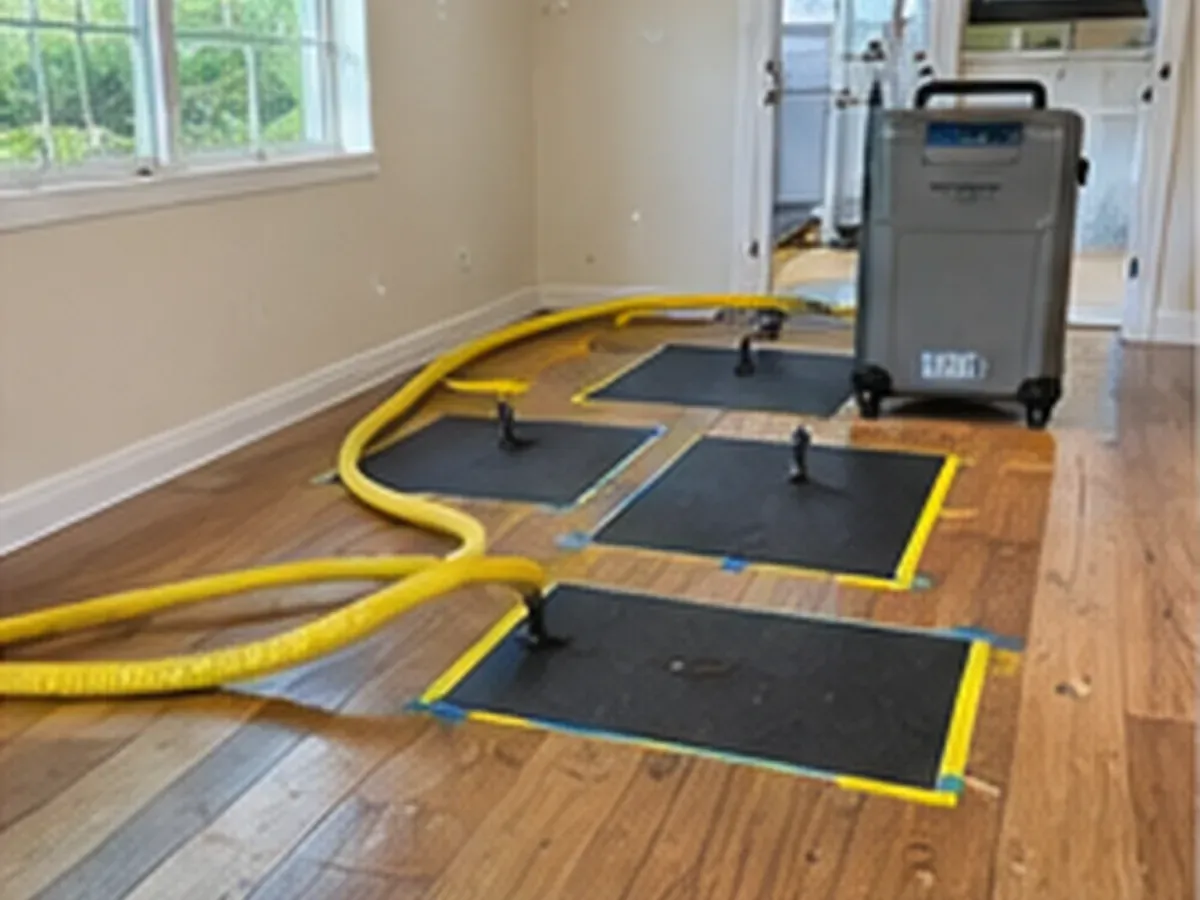
Hardwood floor drying
Floor drying equipment targets moisture beneath the surface.
See this service »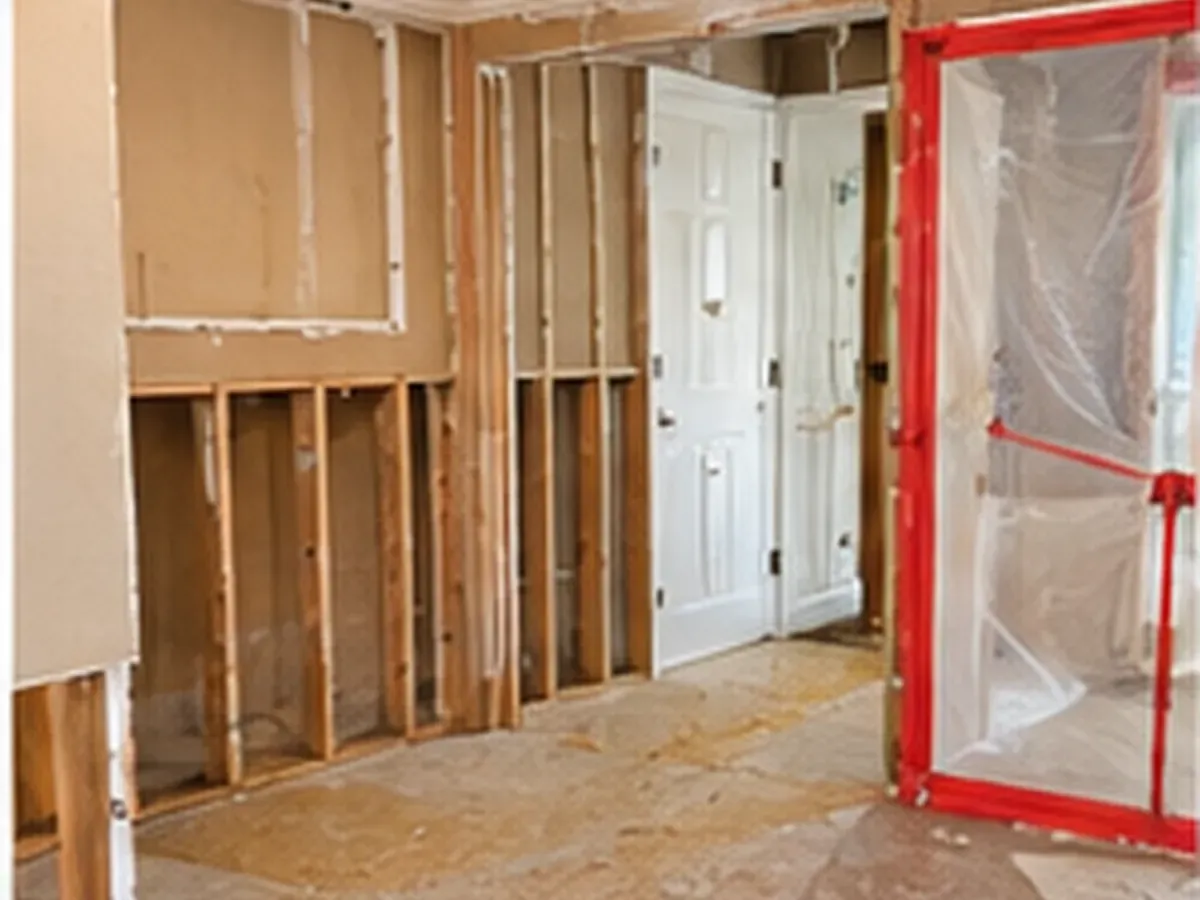
Opening wet walls
Selective material removal can provide access to trapped moisture.
See this service »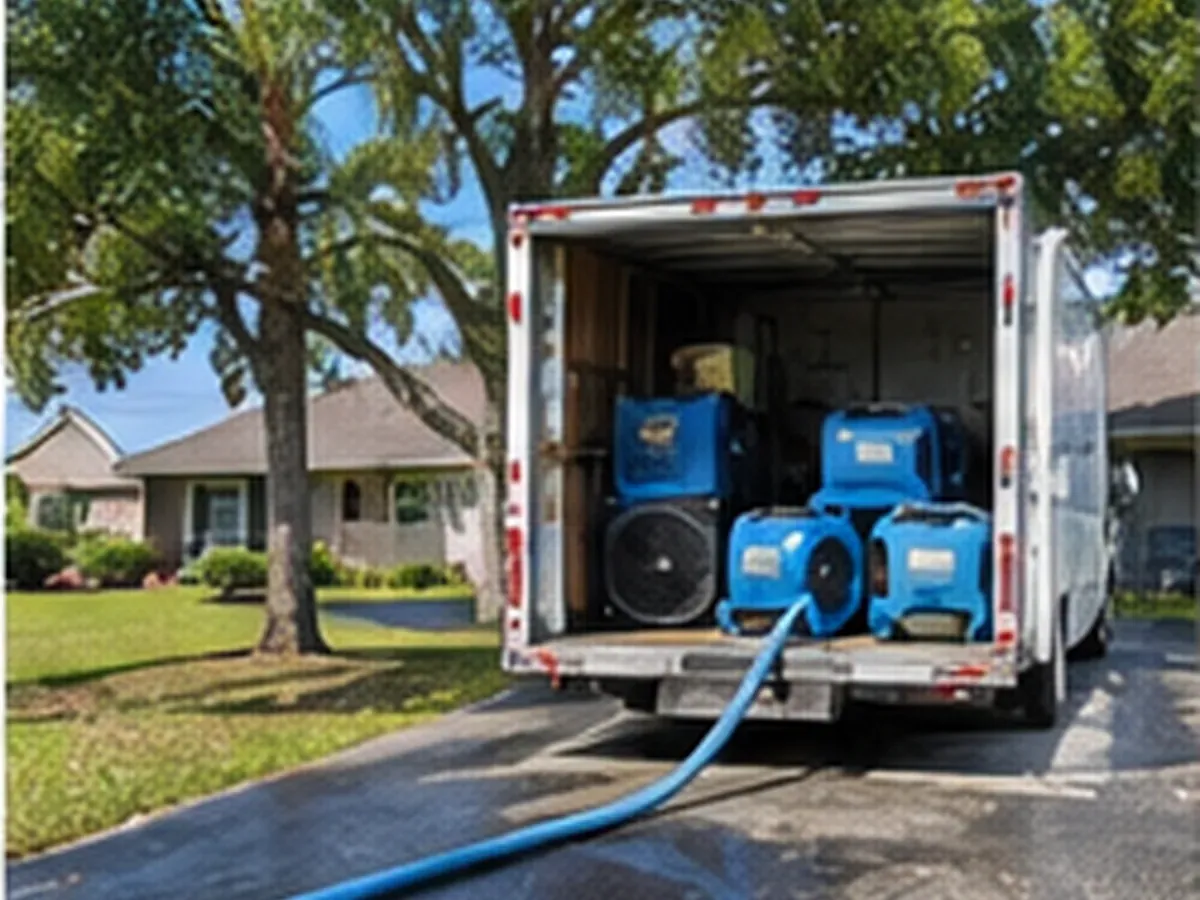
Equipment setup
Equipment selection depends on the materials and extent of the loss.
See this service »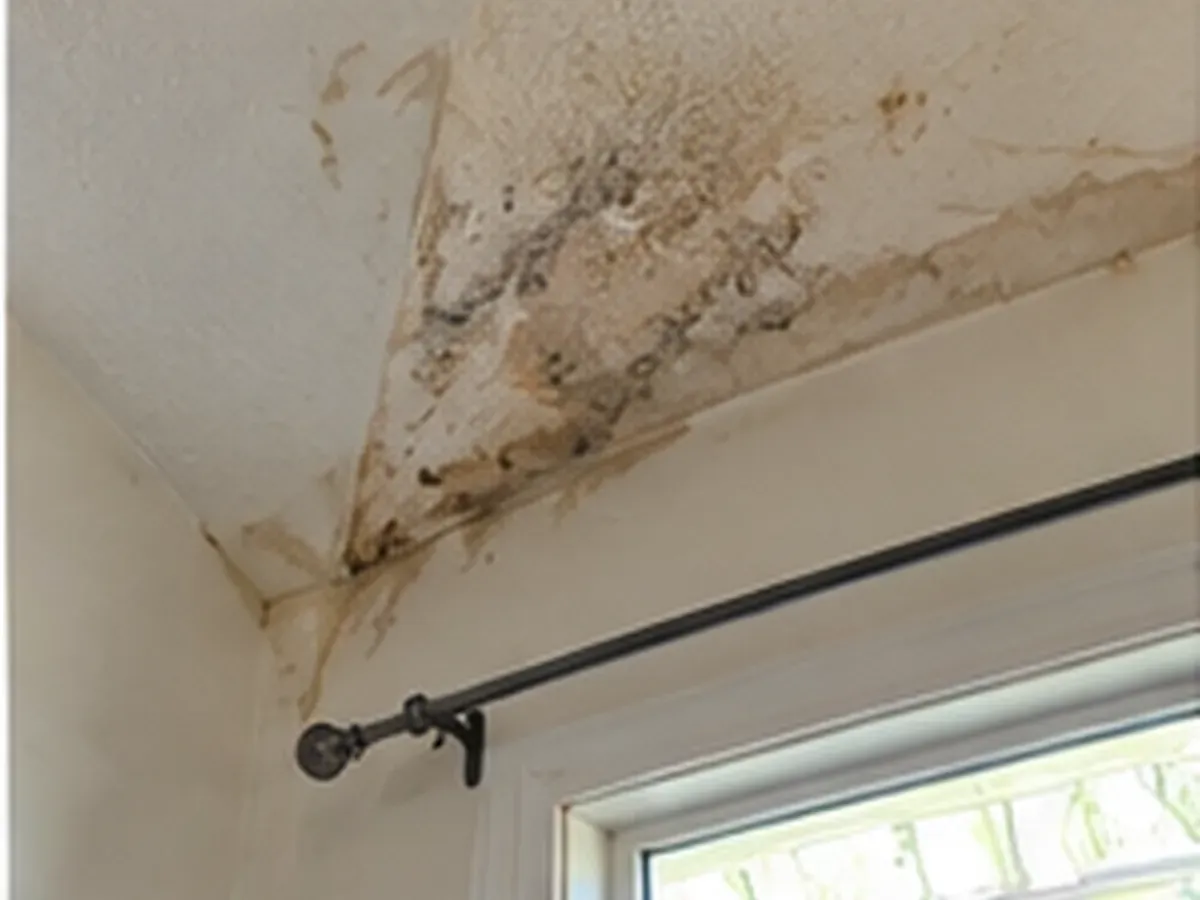
Damage overhead
Ceiling damage needs a source investigation before cosmetic repair.
See this service »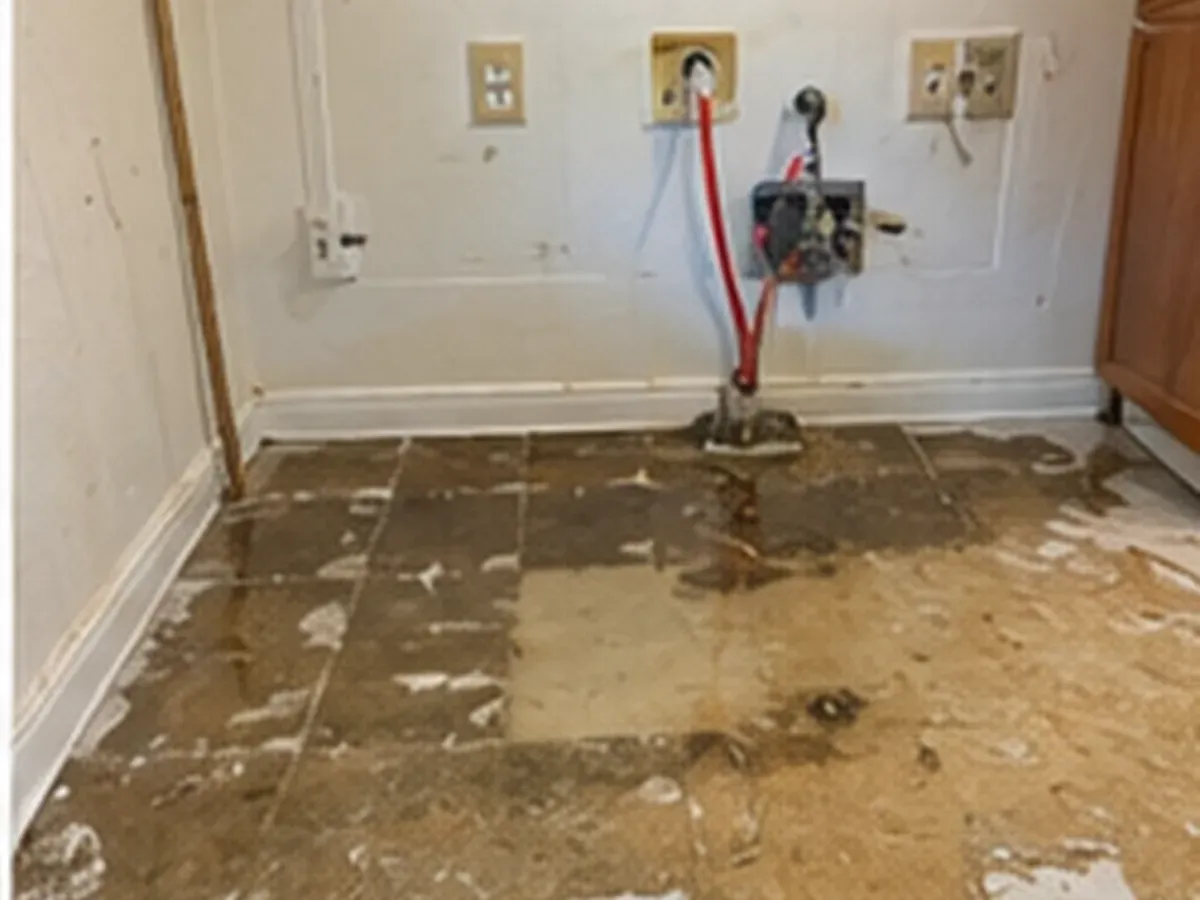
Laundry room water
Appliance leaks can travel underneath adjacent finishes.
See this service »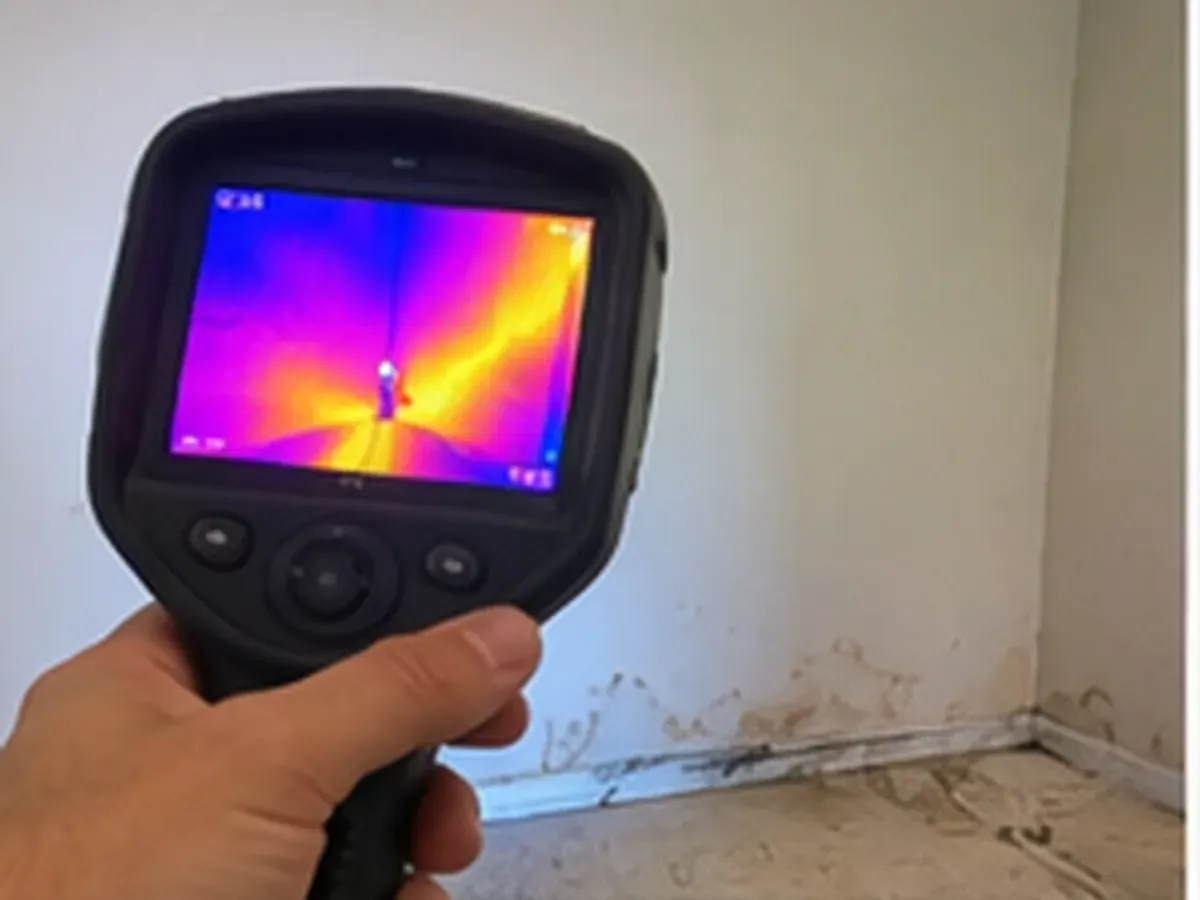
Tracing a moisture pattern
Thermal imaging can guide an inspection; moisture readings confirm the findings.
See this service »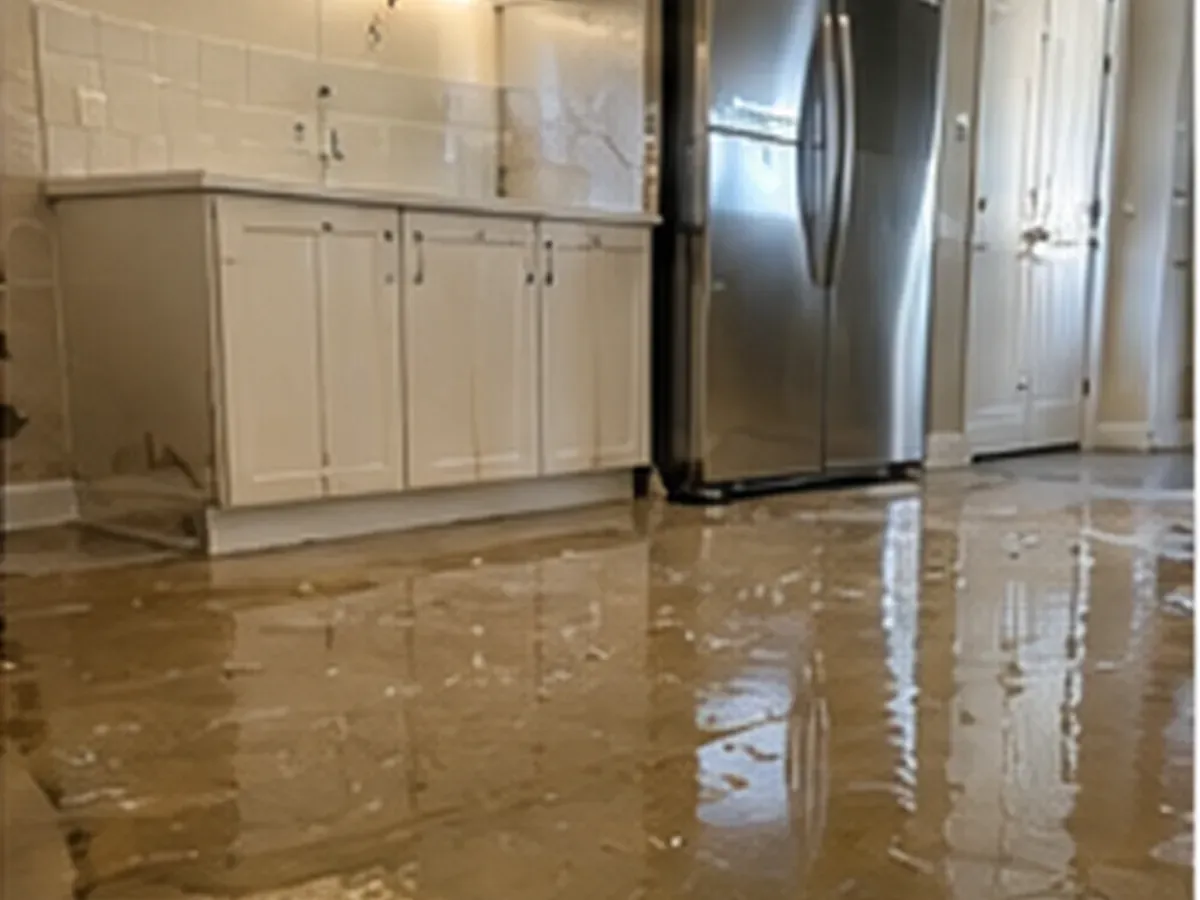
Water across a kitchen
Water can move between rooms and beneath cabinets.
See this service »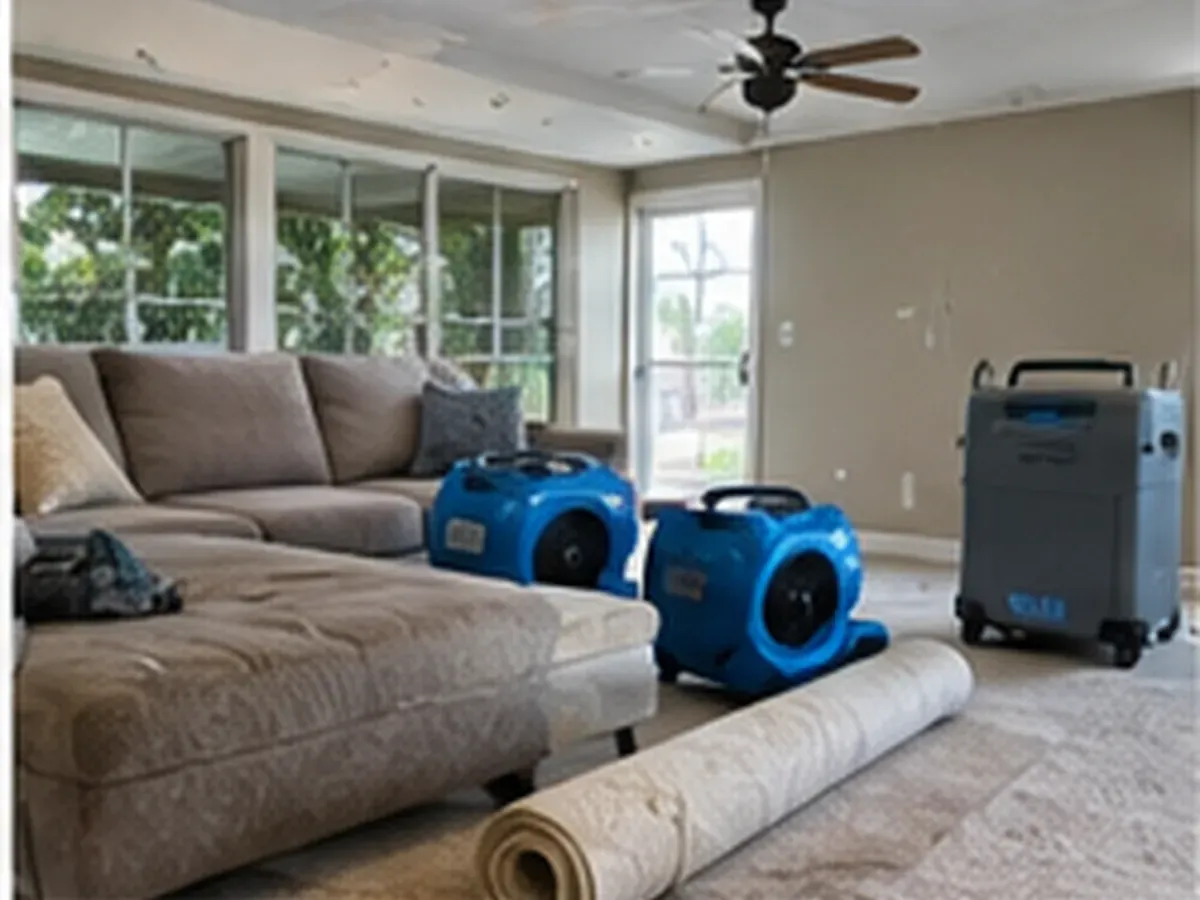
Drying an occupied room
A drying layout has to account for furniture, access and wet materials.
See this service »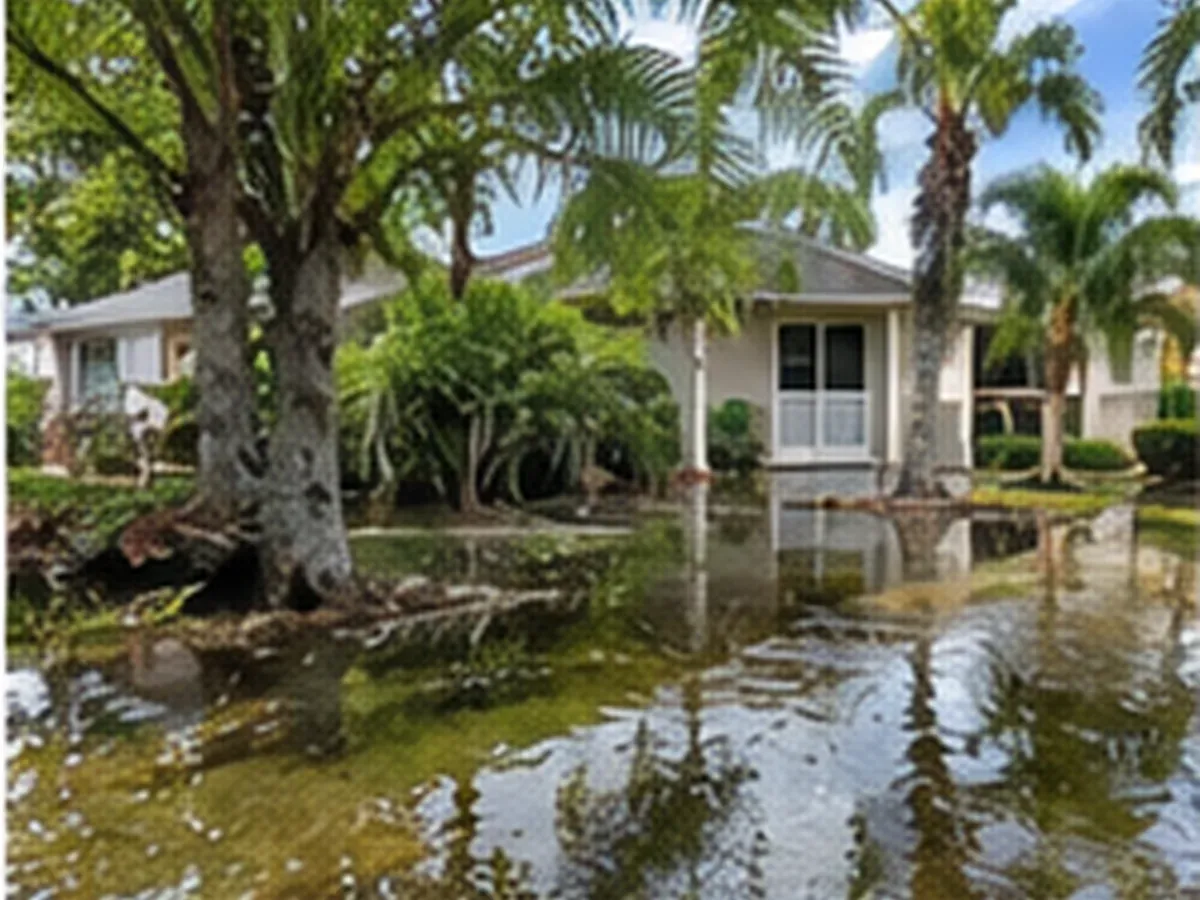
Water around a foundation
Outside water calls for an entry-point investigation as well as indoor cleanup.
See this service »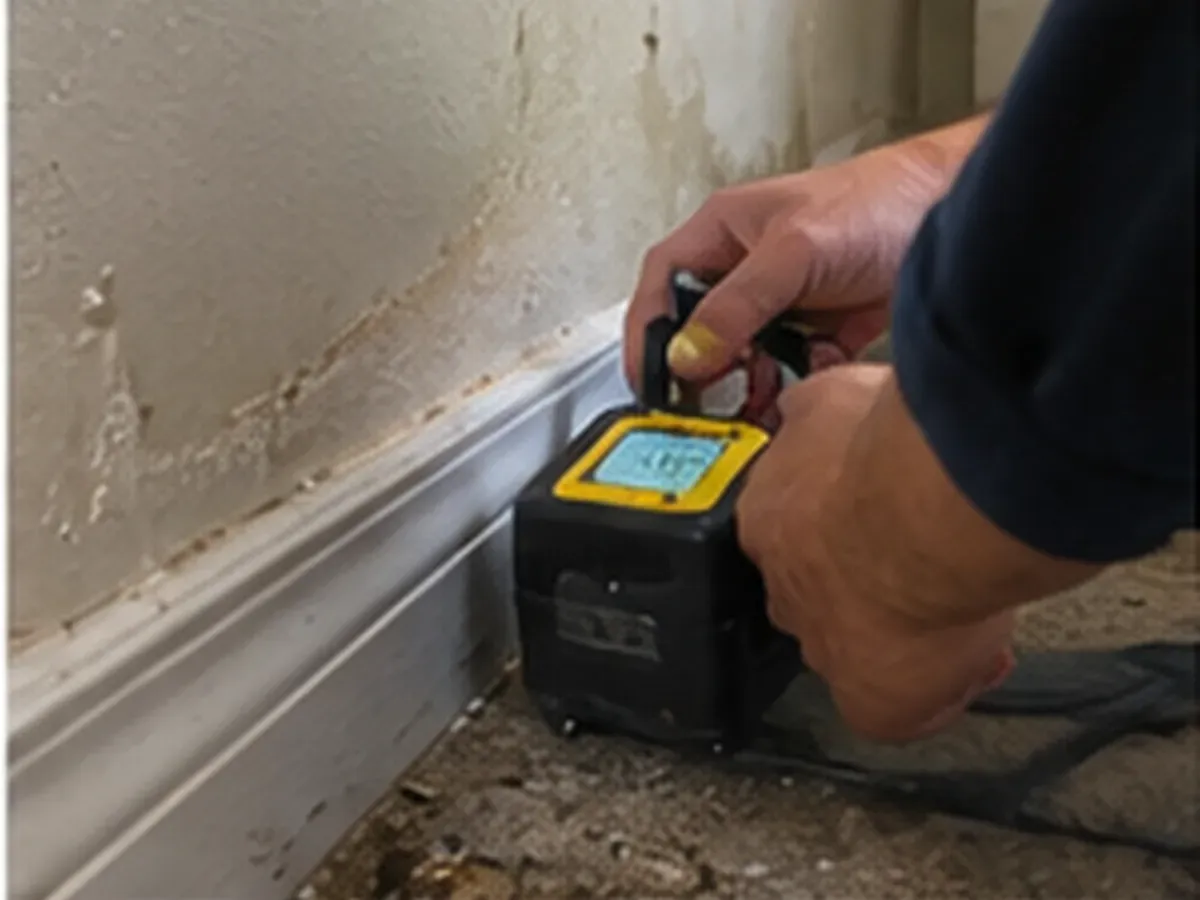
Checking near the floor
Checks near the floor help trace water into lower wall materials.
See this service »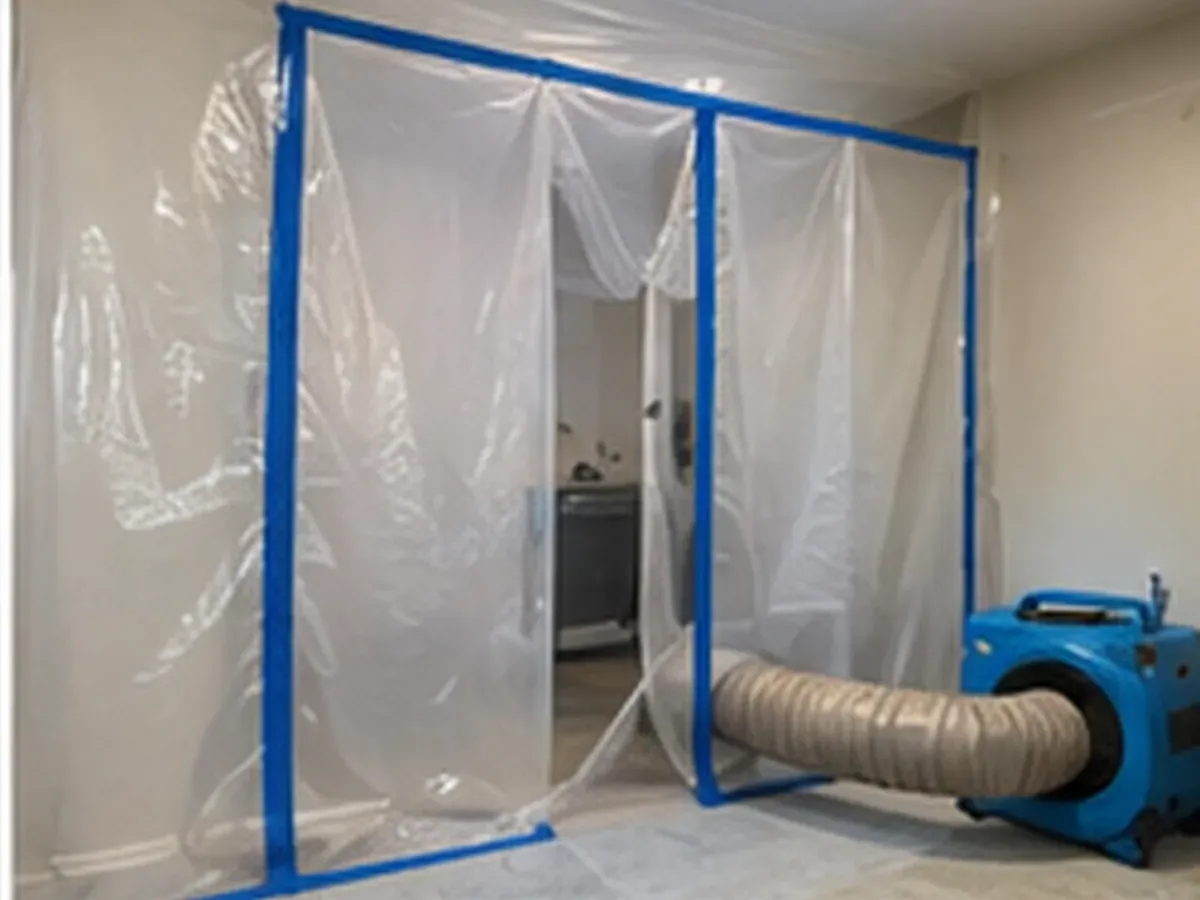
Containment during removal
Containment separates an affected work area from the surrounding rooms.
See this service »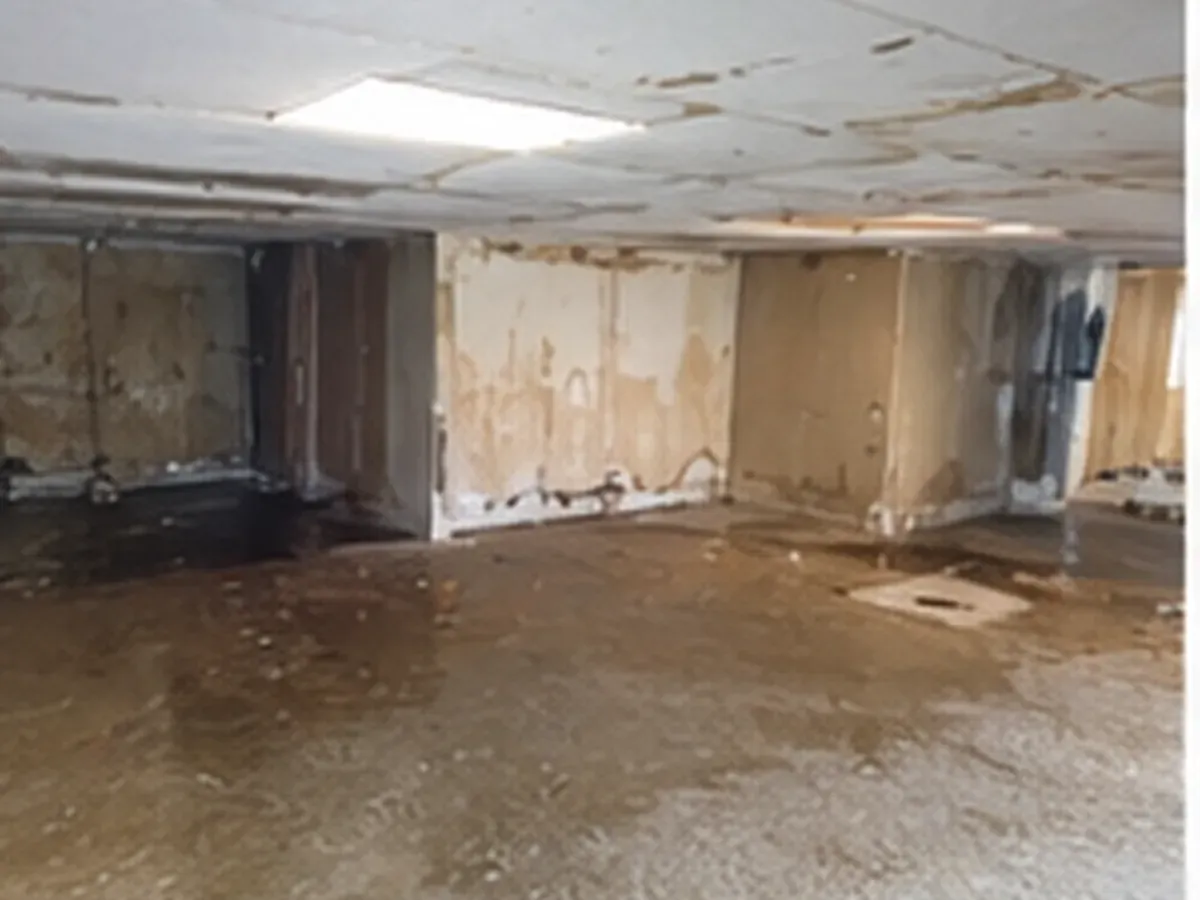
Commercial damage assessment
Commercial losses require planning for access, building materials and affected spaces.
See this service »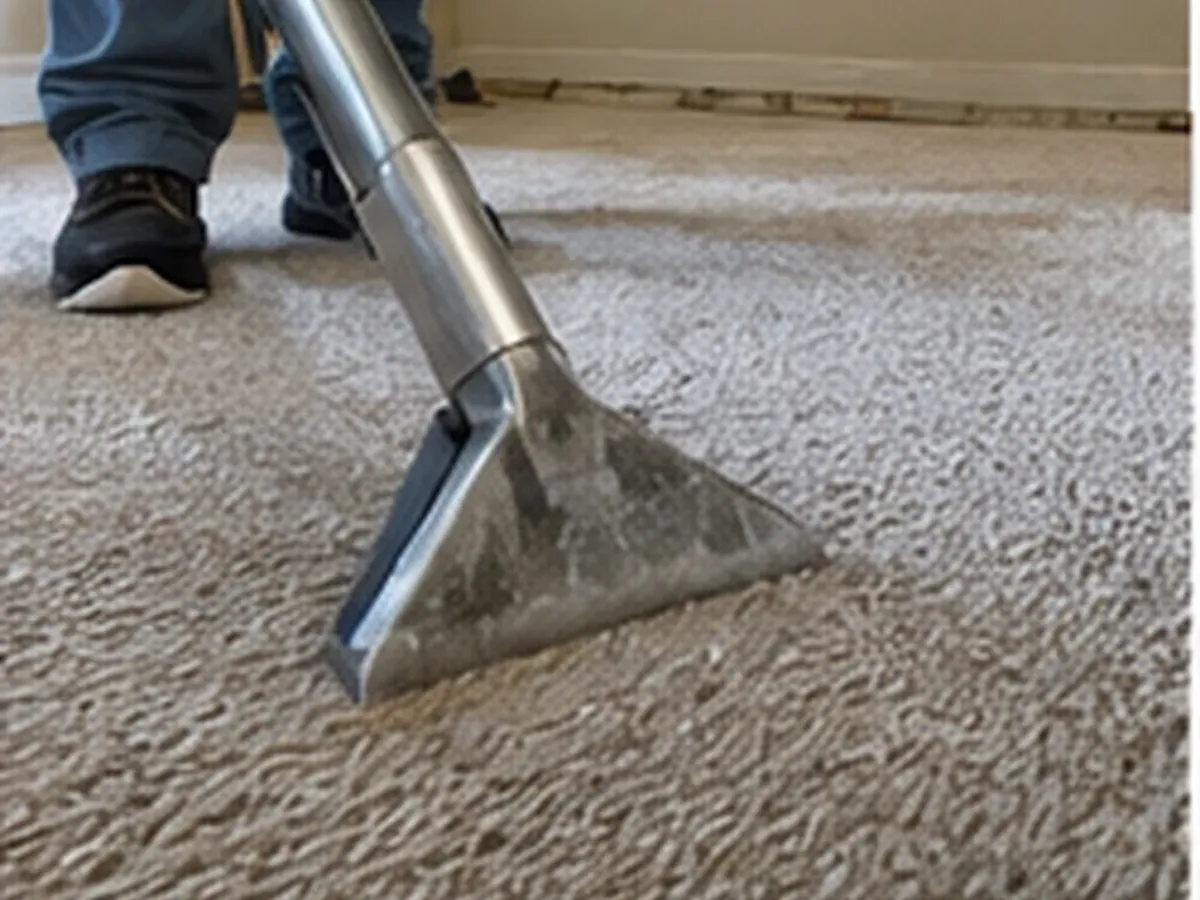
Carpet extraction detail
Multiple extraction passes can remove water held in carpet fibers.
See this service »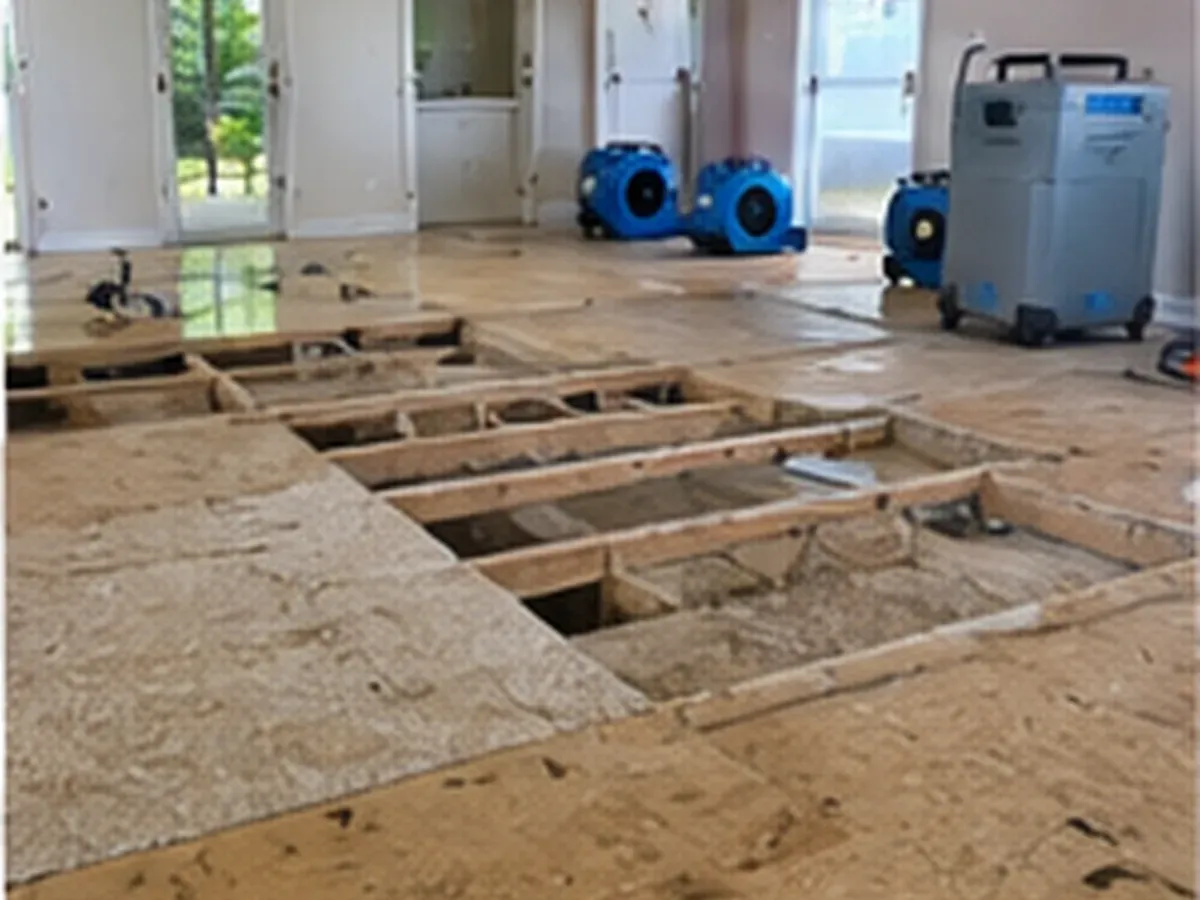
Access beneath the floor
Opening a damaged floor can expose the structure for assessment and repair.
See this service »
Drying connected rooms
Connected rooms need moisture checks even when damage appears localized.
See this service »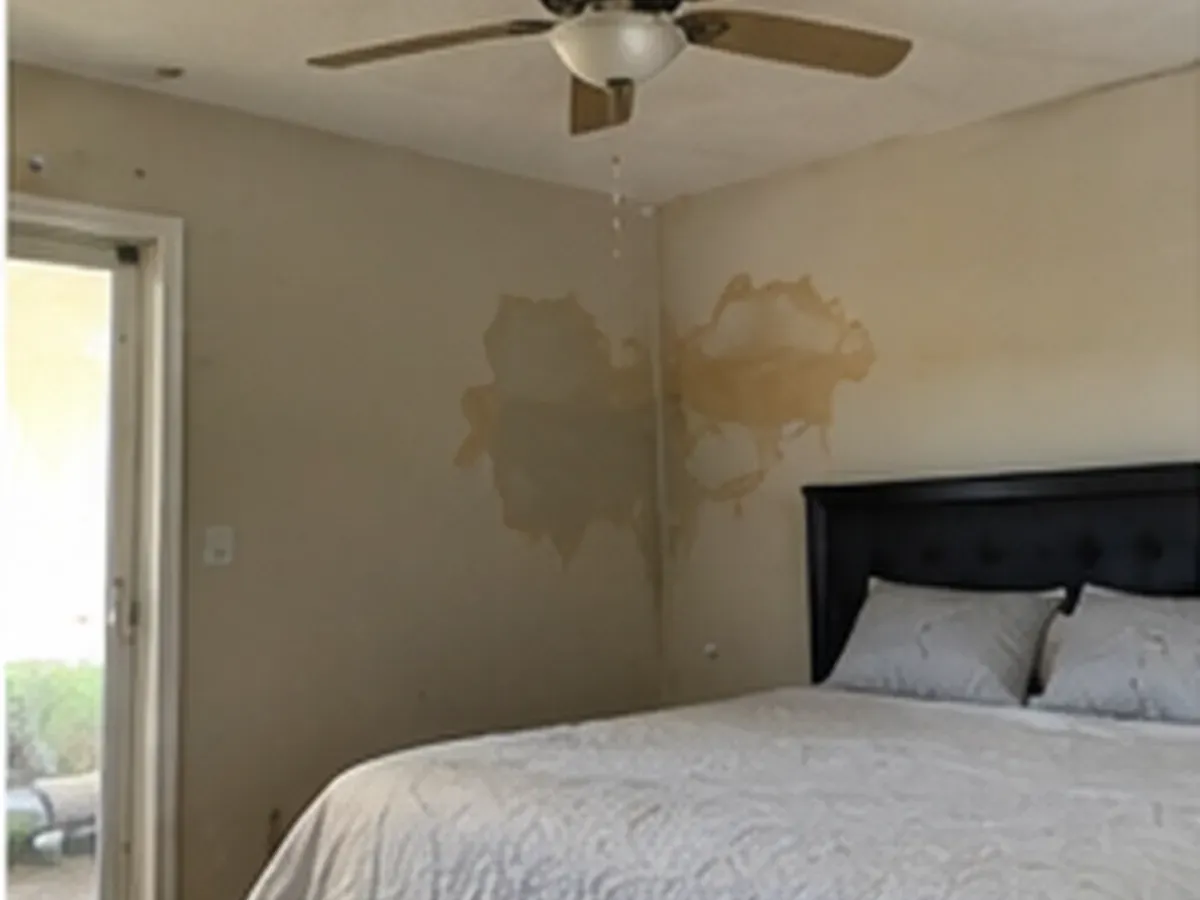
Bedroom wall damage
The edge of a visible stain is not always the edge of the moisture.
See this service »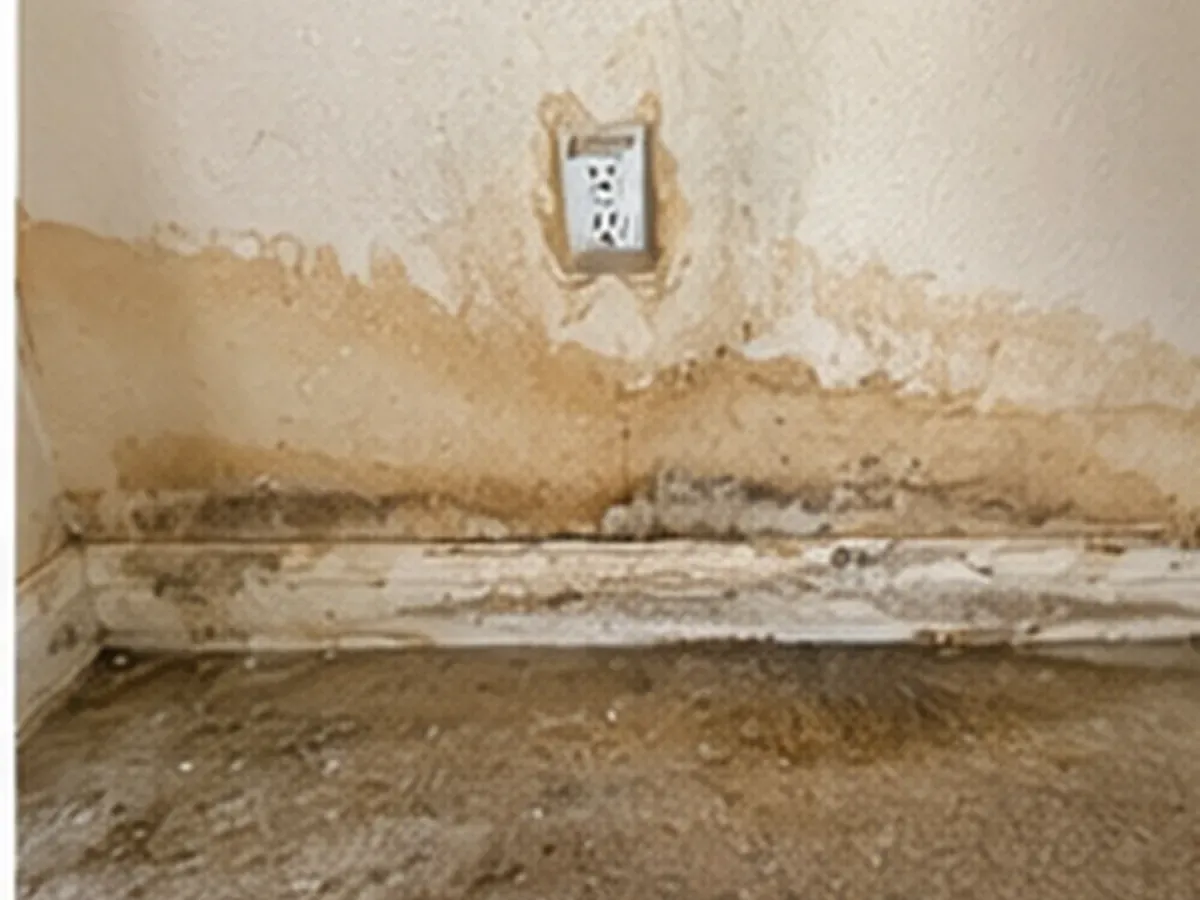
Lower wall damage
Damage near the floor can point to repeated moisture exposure.
See this service »What the photographs help explain
A picture of standing water shows only one stage of a loss. Extraction removes water that can be reached, but walls, flooring layers and enclosed spaces may need further assessment. The structural drying guide explains why a dehumidifier, air movers and material readings belong in the same plan.
Basements, runoff and storm entry
Water around a foundation and damp lower wall finishes raise questions about the entry route. The photo alone cannot diagnose a failed drain, grading problem or foundation defect. Start with the basement cleanup page or the storm water guide to understand how source investigation differs from drying the rooms inside.
Leaks that travel between rooms
A ceiling stain, wet laundry area or leaking water heater can indicate an interior release. Water may reach a different room before it becomes visible, especially inside a floor or wall assembly. The ceiling and multi-level leak page explains why the inspection should follow the route rather than stop at the stain.
Containment, removal and cleaning
Plastic barriers and protective equipment support a controlled work process. They do not, by themselves, establish that affected materials have been removed or that moisture has been corrected. Read about mold removal and sewage cleanup for the questions to ask about work boundaries, porous finishes and retained surfaces.
Drying and rebuilding are different stages
Opened walls and exposed floors can provide access for assessment and drying. Replacing those finishes comes later, once the source and retained materials have been addressed. The repair and rebuild guide covers handover, material choices and the scope of the final repair. Browse the individual service guides for the assessment and cleanup steps shown in these photos.