
Water coming up through a floor drain or overflowing from a sewer backup calls for a different response from a supply-line leak. The immediate priority is to keep people and pets out of the affected space and prevent contamination from being tracked into the rest of the building.
Sewage backup cleanup in a Buford property should address the source, access boundary, removal and cleaning before drying is treated as the main task. A clear scope distinguishes contaminated materials that need disposal from surfaces that can be cleaned using an appropriate method.
Related Water Damage Services in Buford
A single loss can need more than one type of work. Choose a card to jump to the phone section and discuss these services for your property.
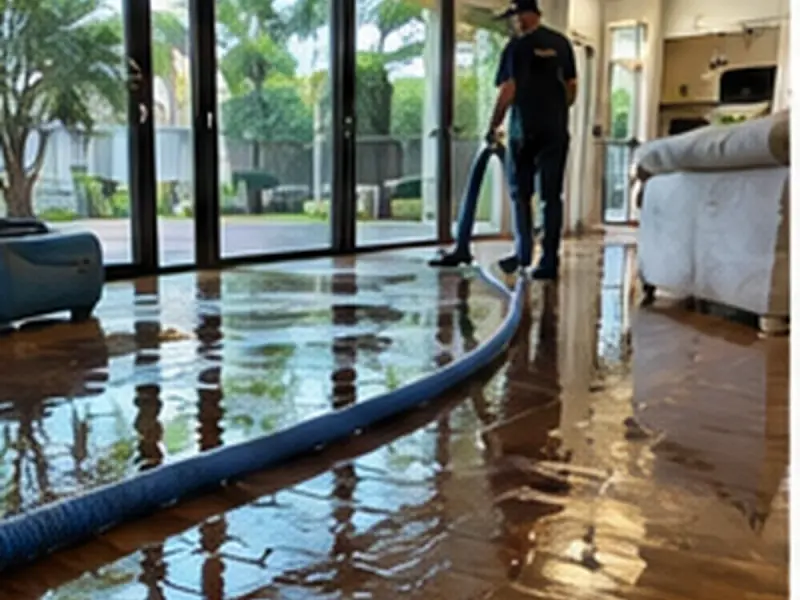
Flooded Basement Cleanup
Water removal and structural drying for finished and unfinished lower levels.
Discuss this service ↓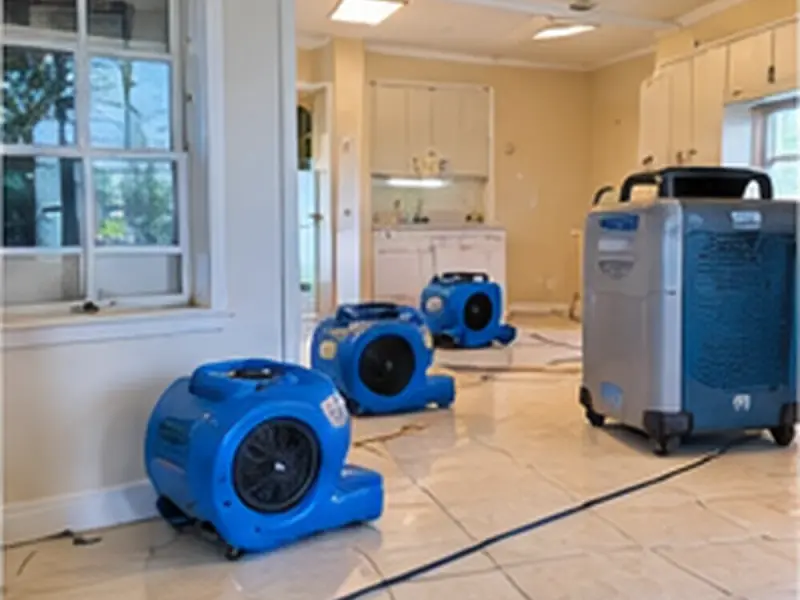
Structural Drying & Dehumidification
A measured drying plan for framing, walls, floors and enclosed spaces.
Discuss this service ↓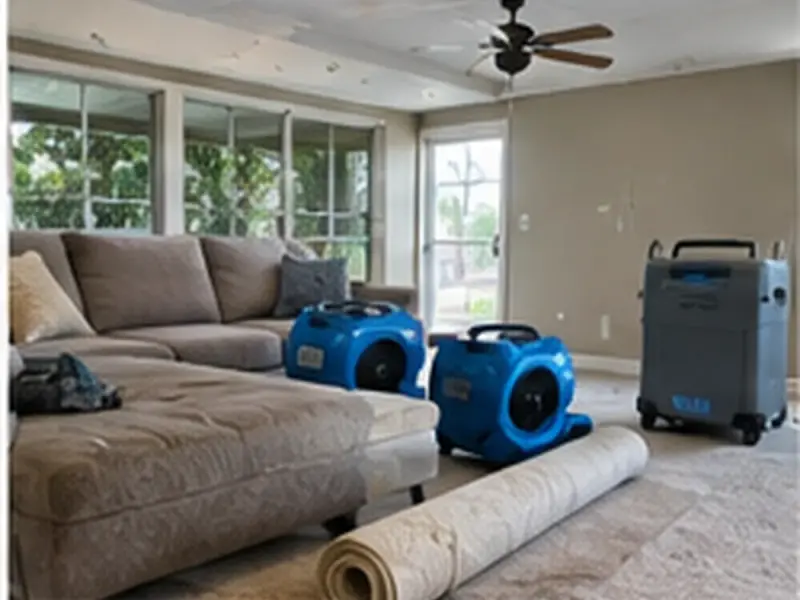
Contents Pack-Out & Cleaning
Decide what can stay, what needs cleaning and what must leave the work area.
Discuss this service ↓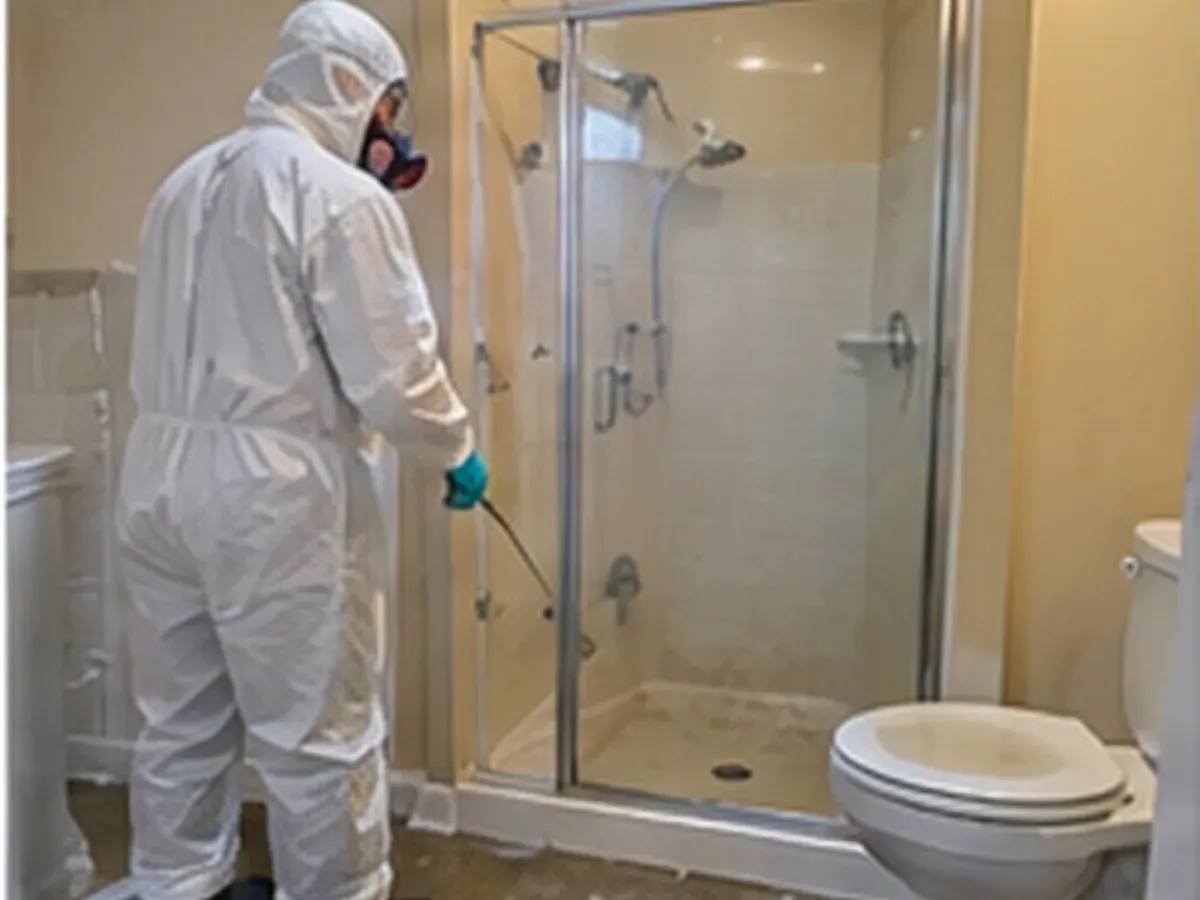
Controlling Access After a Sewage Backup in Buford
Do not walk through the affected water or use ordinary household cleaning equipment to spread it around. Keep the room isolated as far as practical and avoid carrying belongings through unaffected spaces. A qualified plumbing professional should investigate the blockage or failure responsible for the backup.
The restoration assessor needs to understand what backed up, which fixtures were involved and whether the release is continuing. A drain clearing may stop new entry without addressing contamination already inside the room. Keep these two work streams separate in the instructions and paperwork so neither is mistaken for the complete solution.
Assess affected materials by contact and condition
Porous finishes can absorb contaminated water in ways that make retention inappropriate. Carpet, pad, insulation and lower drywall may need removal depending on exposure. The boundary should follow the assessment, including water that migrated beneath flooring or into wall cavities, rather than stopping at the most visible puddle.
Personal belongings also need individual decisions. An item that can be cleaned externally is different from an upholstered item or an electrical device that took in water. Do not move contaminated contents into another room simply to clear the floor. An organized inventory and handling route help contain the loss.
Sewage Backup Cleanup: the key decisions
- 1Keep occupants and pets away from the affected area.
- 2Arrange plumbing investigation of the backup.
- 3Assess contaminated contents and building materials.
- 4Complete controlled cleanup, then dry retained materials.
A Controlled Sewage Cleanup Process in Buford
A professional cleanup scope should explain protective equipment, separation of the work area, removal of gross contamination and cleaning of remaining surfaces. Those activities need coordination so that clean and dirty routes do not overlap. The specific method should fit the materials and conditions encountered.
The presence of a cleaning product does not establish that all affected material has been addressed. Ask how floor seams, wall bases and enclosed spaces will be evaluated. Where material removal is proposed, request a clear reason and a record of the affected area before disposal.
Drying follows contamination decisions
After the removal and cleaning stages, retained building materials may still require structural drying. Equipment should be used within an appropriate plan rather than directing household fans through an untreated contaminated area. The drying record should identify the remaining materials and how their progress will be checked.
If an odor remains, it should be investigated in context rather than automatically covered with a fragrance. A missed cavity, retained debris or continuing source can require further assessment. Closing a wall or laying a new floor should follow the agreed cleanup and drying review.
Documenting a Sewer Backup Loss in Buford
A sewer loss can generate separate invoices for drain repair, contaminated material handling, drying and rebuilding. An inventory of affected contents helps explain what was removed and why. Keep photographs where they can be obtained safely, and ask the insurer which documentation is needed for the particular claim.
Coverage for sewer or drain backup may depend on specific policy terms or endorsements. The cleanup contractor should describe the observed loss without deciding coverage. Once the building work is complete, ask the plumber about any recommended follow-up investigation or maintenance related to the cause of the backup.
Sewage Backup Cleanup Questions in Buford, GA
Can I use my household wet vacuum?+
Do not use ordinary household equipment in sewage-contaminated water. Keep access restricted and arrange a suitable professional response.
Can soaked carpet always be cleaned?+
Retention depends on the contamination and material assessment. Porous items exposed to sewage may need disposal.
Is drain clearing enough to finish the job?+
It addresses the plumbing source. Contamination and moisture already in the building require separate assessment and cleanup.
Further reading: EPA guidance on mold and water damage cleanup ↗
For nearby coverage, see the service area guide. The photo gallery shows the building conditions, equipment and work stages discussed on this page.
Sewage Backup Cleanup in Buford: Discuss Your Cleanup
Call with the property location, the rooms affected and whether water is still entering. We can discuss the work and the next step.
Call (678) 329-9101