
An exposed wall and a dry room are progress, but they are not a finished living space. After mitigation, the next job is to put the property back together without closing in unresolved moisture or leaving uncertainty about what the repair price includes.
Water damage repair and rebuilding in Buford should begin with a handover from the drying stage. That record identifies removed materials, retained assemblies and remaining source repairs. It gives the repair contractor a starting point based on the building's condition rather than guesses made from a painted-over stain.
Related Water Damage Services in Buford
A single loss can need more than one type of work. Choose a card to jump to the phone section and discuss these services for your property.
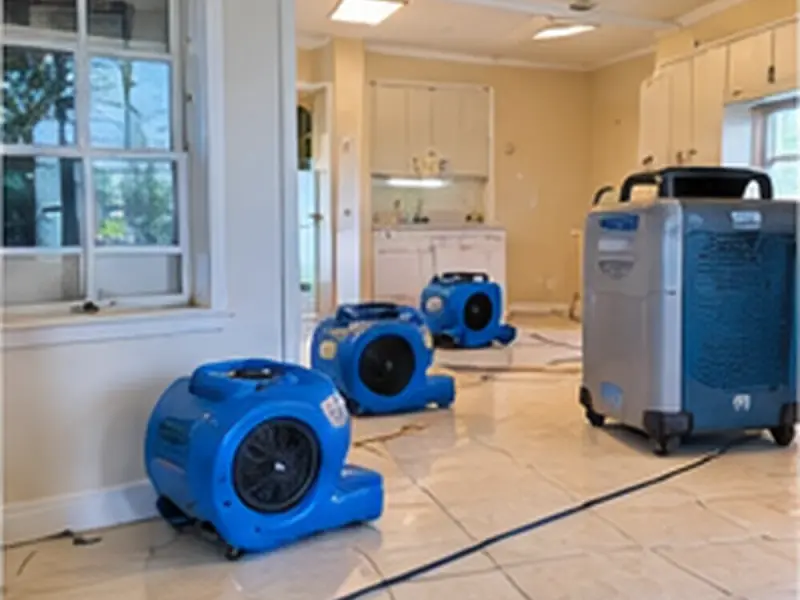
Structural Drying & Dehumidification
A measured drying plan for framing, walls, floors and enclosed spaces.
Discuss this service ↓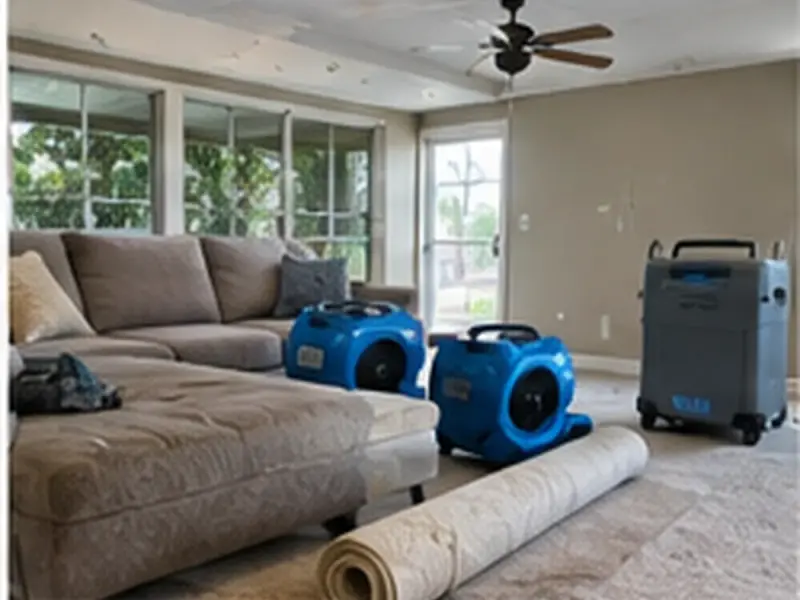
Contents Pack-Out & Cleaning
Decide what can stay, what needs cleaning and what must leave the work area.
Discuss this service ↓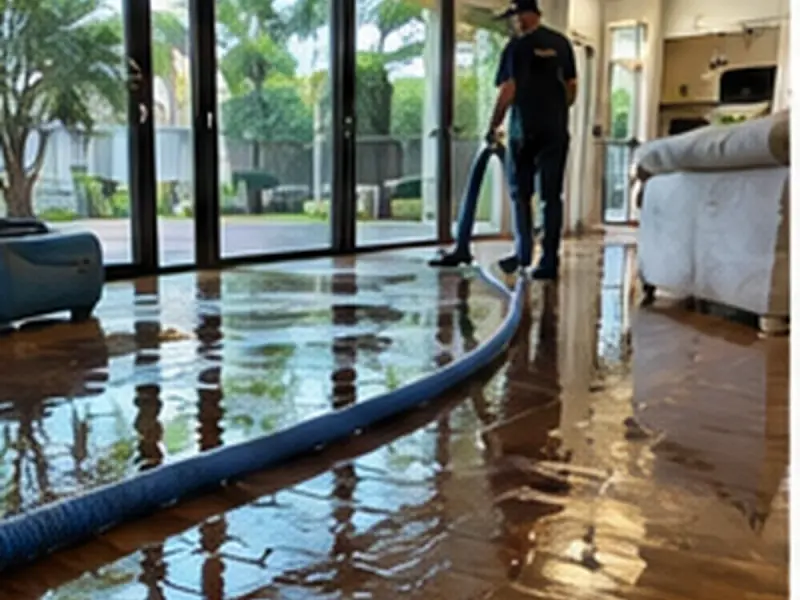
Flooded Basement Cleanup
Water removal and structural drying for finished and unfinished lower levels.
Discuss this service ↓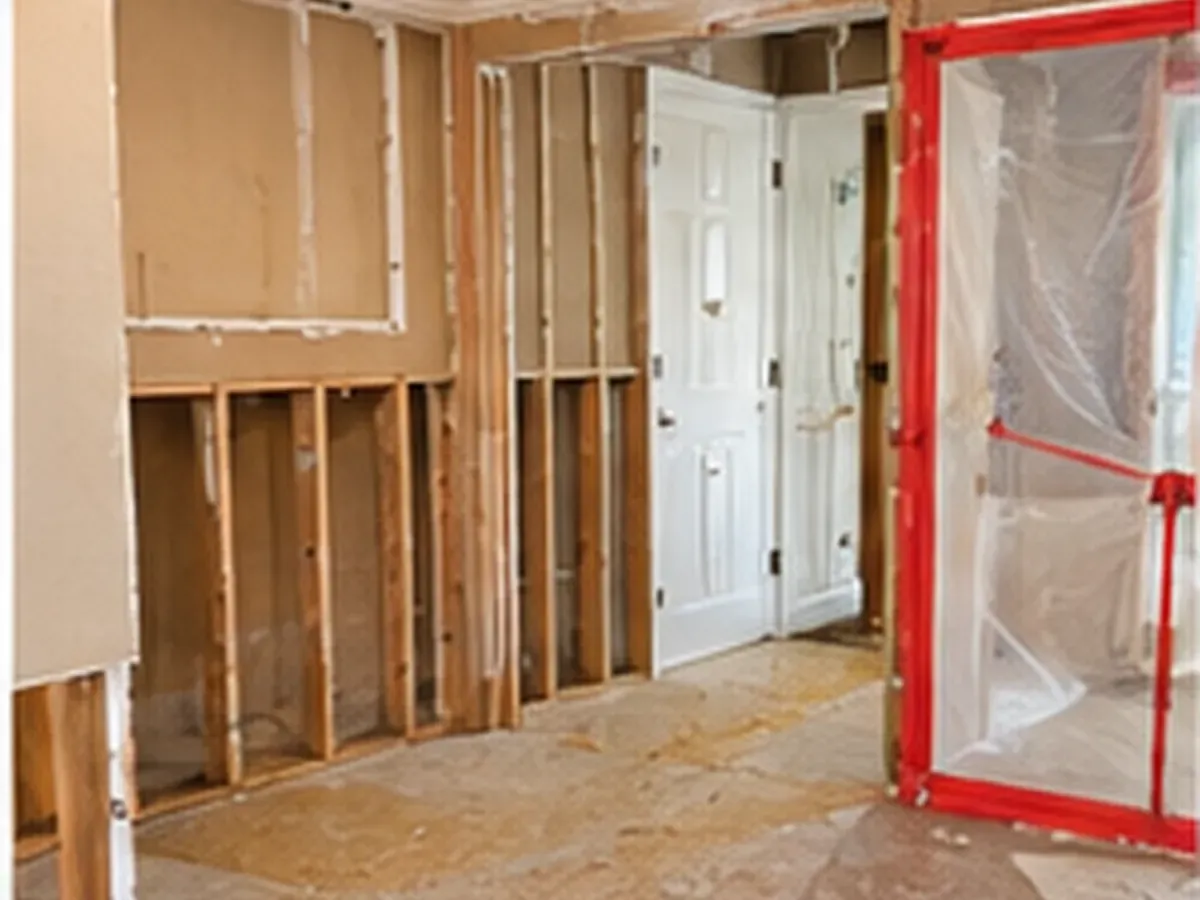
When a Buford Property Is Ready for Rebuilding
Ask to review the drying findings and the repair of the original source. A room should not move into reconstruction simply because drying equipment has been collected. If another trade still needs to fix a leak or drainage problem, that responsibility should be resolved before access is closed.
New flooring and wall finishes can introduce their own installation requirements. The contractor should account for substrate condition and the selected product rather than assuming every dry-looking floor is ready. Where specialist measurements or inspections are needed, include them in the schedule and scope.
Write the repair boundary in ordinary language
A repair proposal should identify the rooms, surfaces and materials included. Drywall replacement, insulation, trim, paint and flooring are separate items with different preparation needs. An estimate that says only restore basement can leave too much room for disagreement about what the finished result will contain.
Discuss matching expectations early. Existing paint, texture and flooring may no longer be available. A patch may require work beyond the original opening to achieve an acceptable finish, while an upgrade is a separate choice. Record those decisions before materials are purchased or a room is painted.
Water Damage Repair & Rebuild: the key decisions
- 1Review drying and source-repair records.
- 2Agree on materials, finishes and repair boundaries.
- 3Coordinate trade work before closing assemblies.
- 4Compare the completed rooms against the written scope.
Coordinating Water Damage Repairs in Buford
Plumbing, electrical and any necessary building checks need to happen before replacement surfaces conceal the work. Insulation and drywall then follow an agreed order, with finishing, painting and flooring coordinated around curing and installation requirements. The particular sequence varies with the assembly and extent of damage.
If a new problem is found during repair, pause long enough to explain it and approve the change. Additional deterioration, an inaccessible connection or a different floor build-up can affect price and timing. Written changes are easier to review than a series of verbal assumptions made by several trades.
Keep mitigation and reconstruction costs distinct
Emergency removal and drying often appear on a different scope from rebuilding. Homeowners should be able to see which charges belong to the immediate loss control and which put finishes back. Contents handling, storage and specialist work may also have separate allowances or invoices.
An insurer may review scopes in stages and ask for clarification. Keep the repair proposal consistent with the documented condition and identify optional upgrades separately. Policy limits, deductibles and approval decisions remain with the insurer and policyholder. A contractor's willingness to do the work does not establish coverage.
Reviewing Completed Repairs at Your Buford Property
Before the final handover, walk through the agreed repair areas and compare them with the written scope. Check the listed surfaces, fixtures, trim and finish work. Record incomplete items clearly, along with who will return and what remains to be done, rather than relying on a general promise to tidy up later.
Keep product information and any relevant contractor records with the loss file. If a stain or moisture concern appears again, report it promptly and describe its location. A repaired appearance should be supported by the source and drying work completed earlier, not treated as proof that future water entry is impossible.
Water Damage Repair & Rebuild Questions in Buford, GA
Is rebuilding included in every cleanup estimate?+
No. Mitigation and reconstruction may be separate contracts. Ask which work and trades are included before approving the scope.
Can I choose a different floor or finish?+
Discuss upgrades as separate decisions with their own cost and scheduling implications. Insurance approval should not be assumed.
Why wait before replacing drywall?+
The source and retained materials need to be addressed first. Closing a cavity too early can conceal an unresolved problem.
For nearby coverage, see the service area guide. The photo gallery shows the building conditions, equipment and work stages discussed on this page.
Water Damage Repair & Rebuild in Buford: Discuss Your Cleanup
Call with the property location, the rooms affected and whether water is still entering. We can discuss the work and the next step.
Call (678) 329-9101