
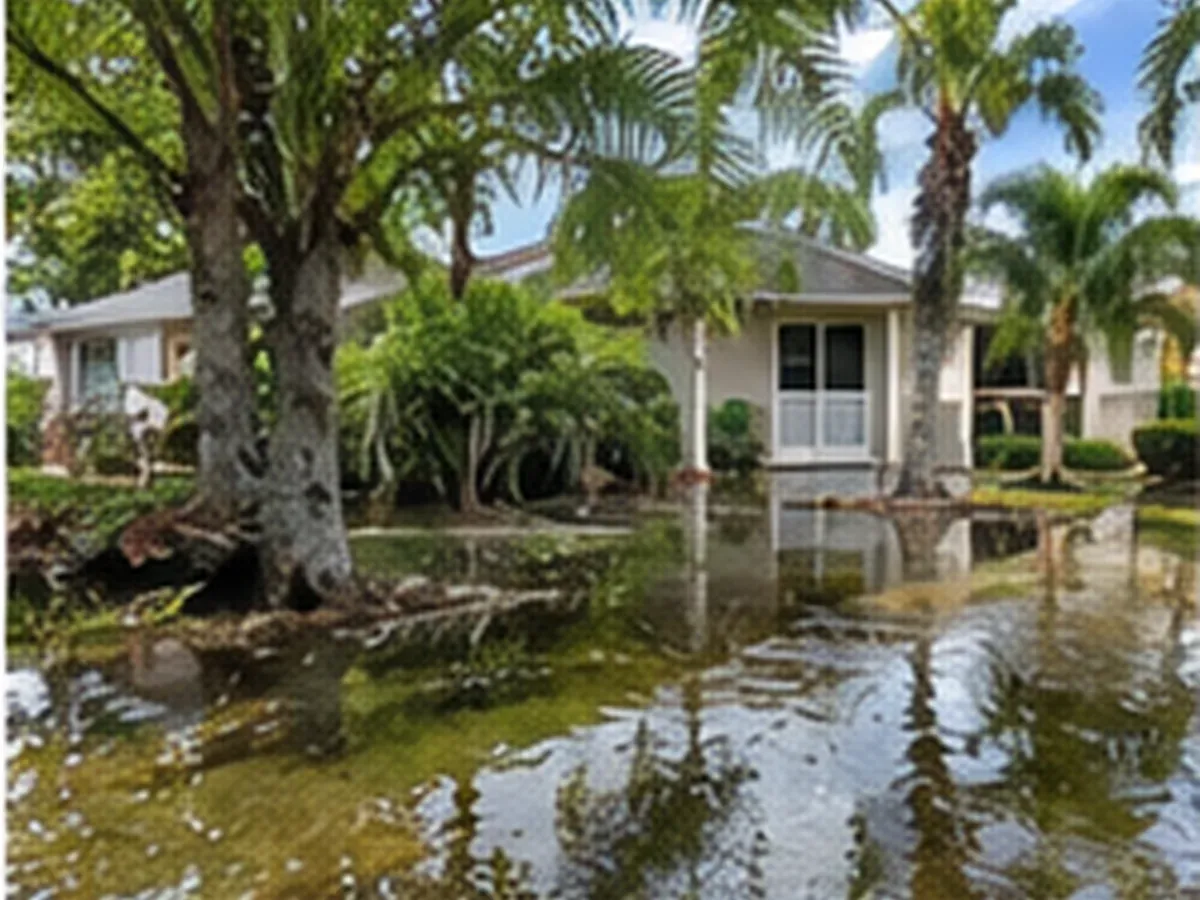
A yard that stays waterlogged can become part of an indoor water problem. When runoff collects beside a house, the foundation, a low opening or a basement stairwell may become the next route. At a Dacula property with this pattern, the cleanup conversation should include what was happening outdoors before water appeared inside.
The indoor job still needs its own assessment. Outside pooling does not tell you which flooring layers are wet or how far water moved behind a finished wall. Source investigation and material inspection answer different questions, and both are needed before the room is put back together.
Water Damage Services in Dacula, GA
From the first extraction pass to the final repairs, the work depends on the source, the affected materials and what can be saved. Select a service below to jump to the phone section and discuss the work your property needs.
Commercial Water Damage Restoration
Planning cleanup around tenants, employees and the next business day.
Discuss this service ↓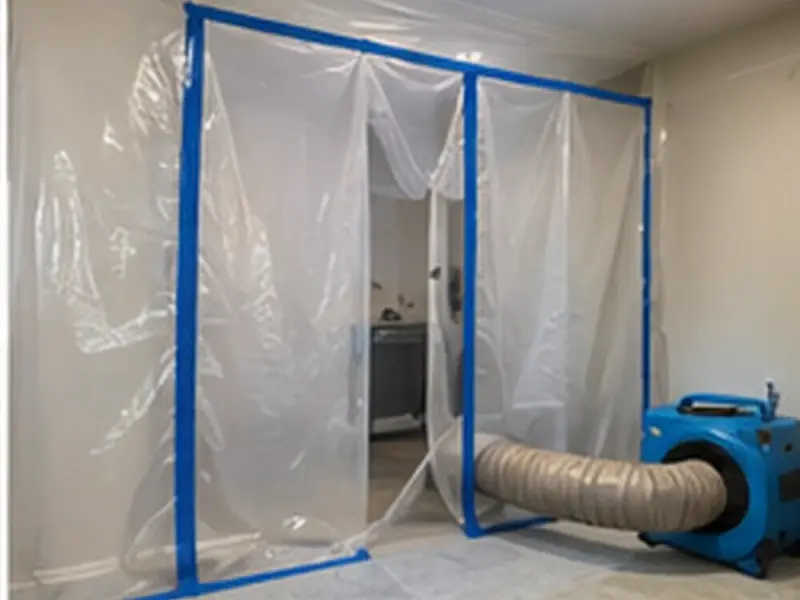
Mold Removal
Containment, physical removal and a plan for the moisture behind the growth.
Discuss this service ↓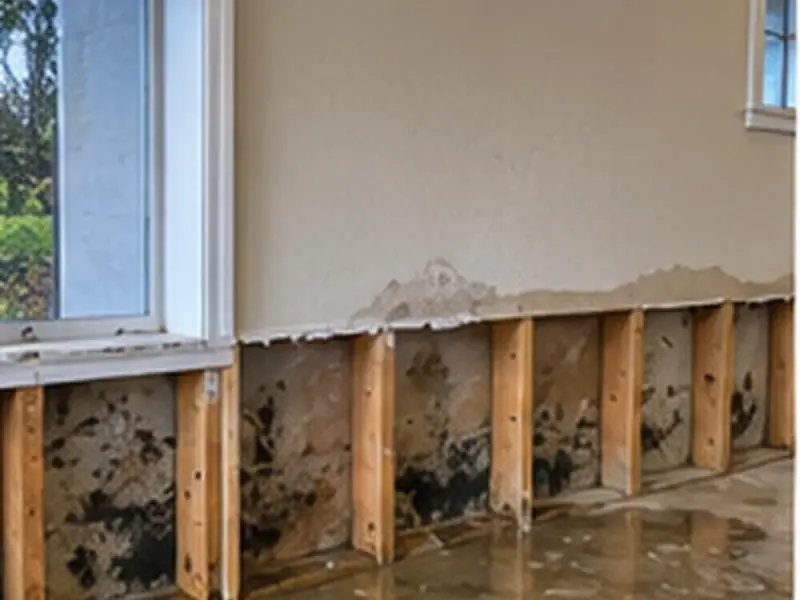
Frozen & Burst Pipe Cleanup
Find every wet layer after a broken supply line is repaired.
Discuss this service ↓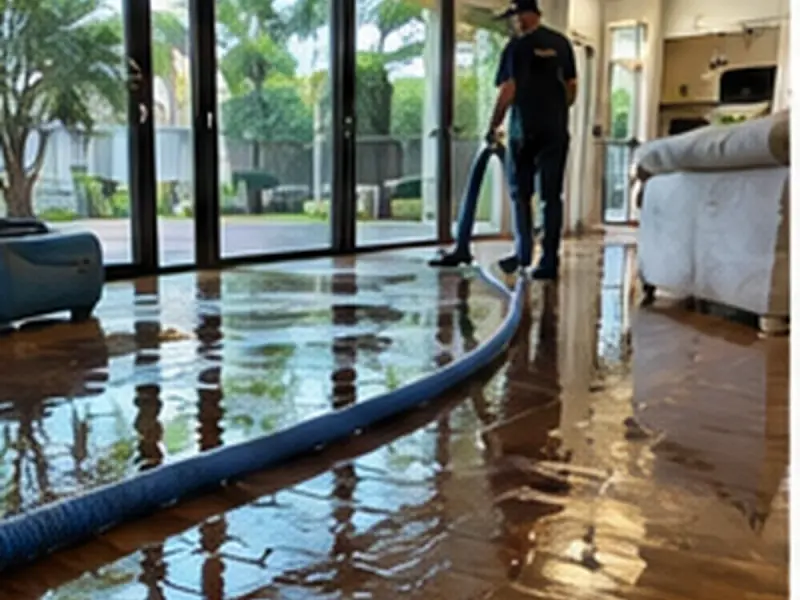
Flooded Basement Cleanup
Water removal and structural drying for finished and unfinished lower levels.
Discuss this service ↓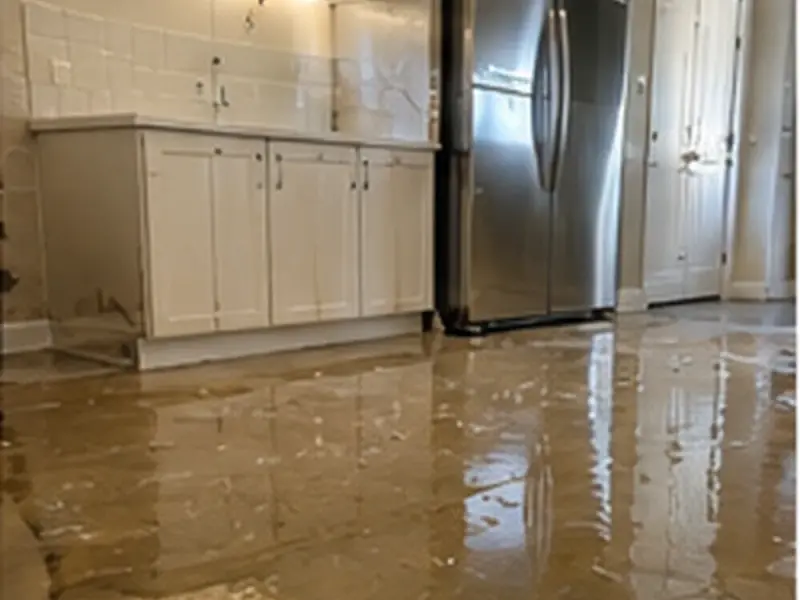
Sump Pump Failure & Flood Cleanup
Deal with the water inside while the pump problem is put right.
Discuss this service ↓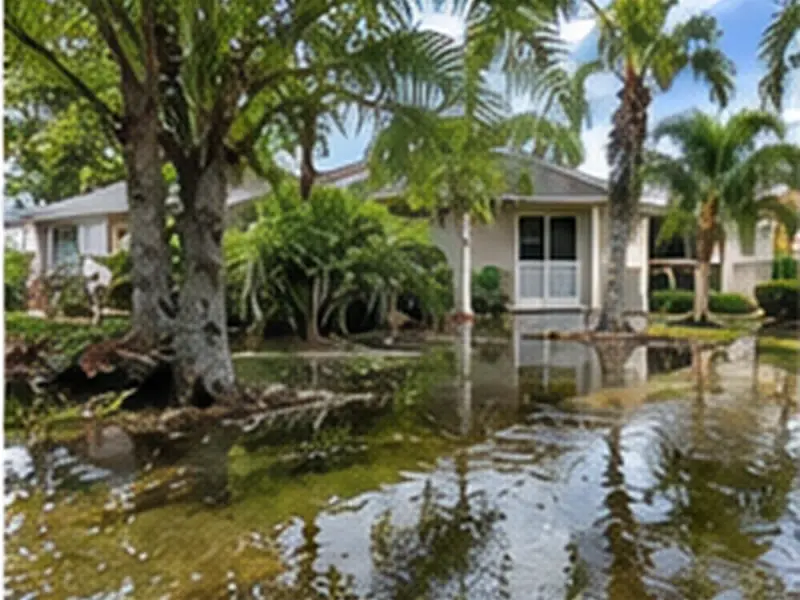
Storm & Flash Flood Water Removal
Cleanup that accounts for outside water, sediment and continuing rainfall.
Discuss this service ↓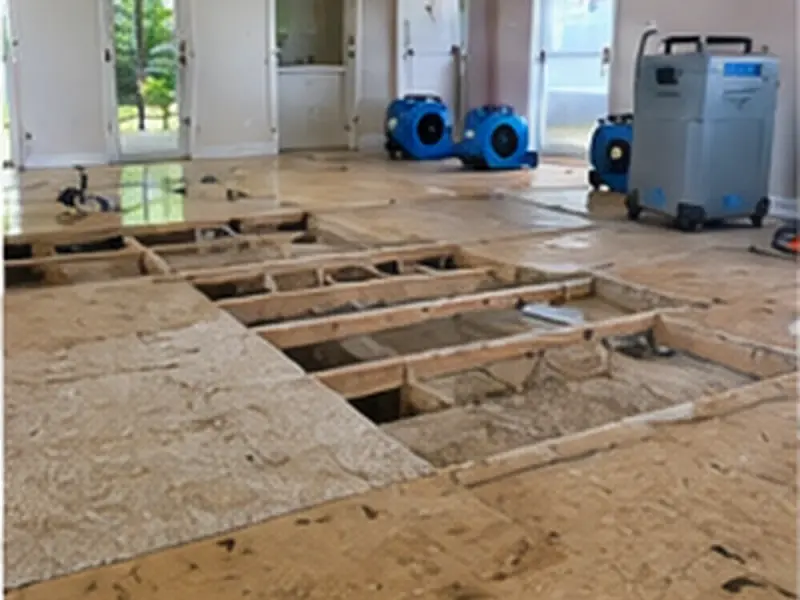
Crawlspace Water Removal & Drying
Check the floor system as well as the water beneath it.
Discuss this service ↓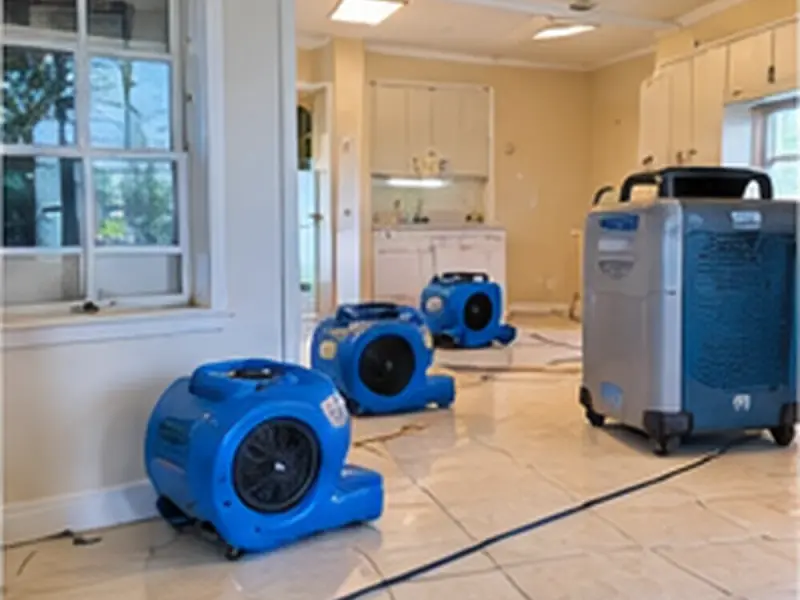
Structural Drying & Dehumidification
A measured drying plan for framing, walls, floors and enclosed spaces.
Discuss this service ↓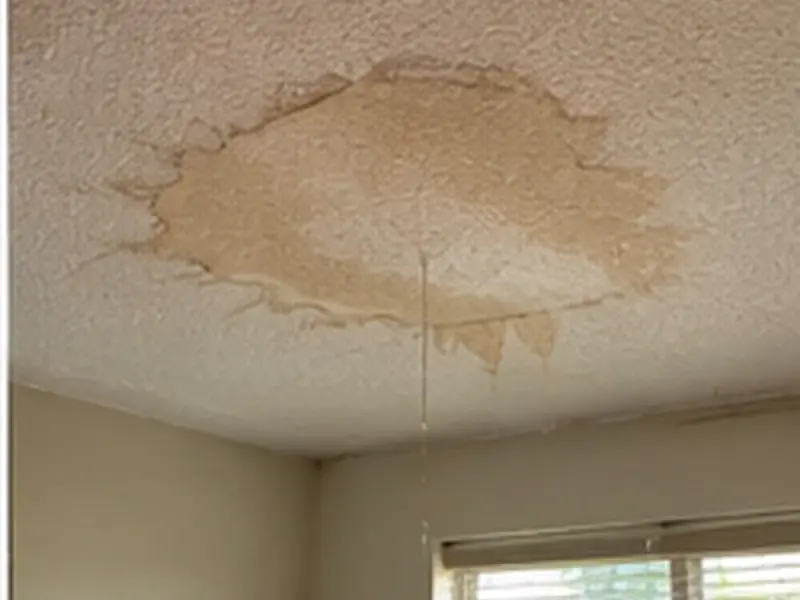
Ceiling & Multi-Level Leak Damage
Trace the route from an upstairs leak to the rooms below.
Discuss this service ↓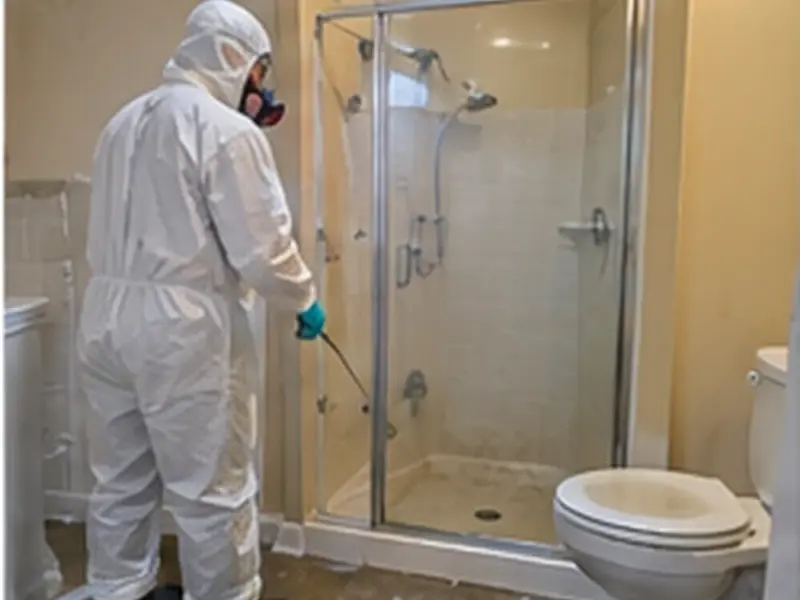
Sewage Backup Cleanup
Control access and contamination before the cleaning begins.
Discuss this service ↓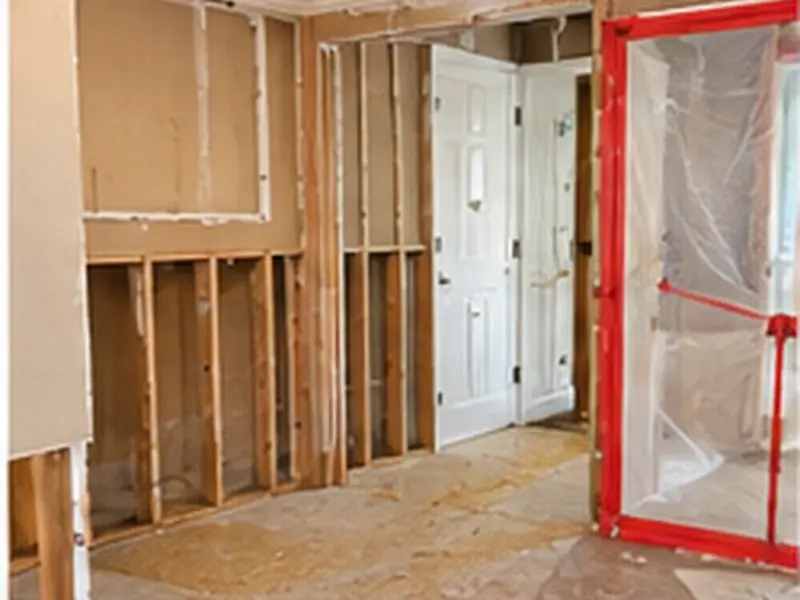
Water Damage Repair & Rebuild
Rebuild around a corrected source and documented dry materials.
Discuss this service ↓
Contents Pack-Out & Cleaning
Decide what can stay, what needs cleaning and what must leave the work area.
Discuss this service ↓Water damage concerns in Dacula
- Runoff collecting at the foundation
- Water beneath floors and wall bases
- Storm entry and basement cleanup
Recording Runoff Around Your Dacula Property
From a safe location, note where water pooled, which side of the house it approached and whether gutters or downspouts overflowed. Photographs can help a drainage specialist understand the event after the yard has dried. Do not walk into floodwater to inspect an opening or clear a drain.
Include any recent landscaping, grading or discharge changes in the discussion. Those details may be relevant, but they should not be treated as a diagnosis on their own. The responsible trade needs to establish the source correction rather than relying on a general assumption about clay soil.
Inside, follow the water beyond the entry point
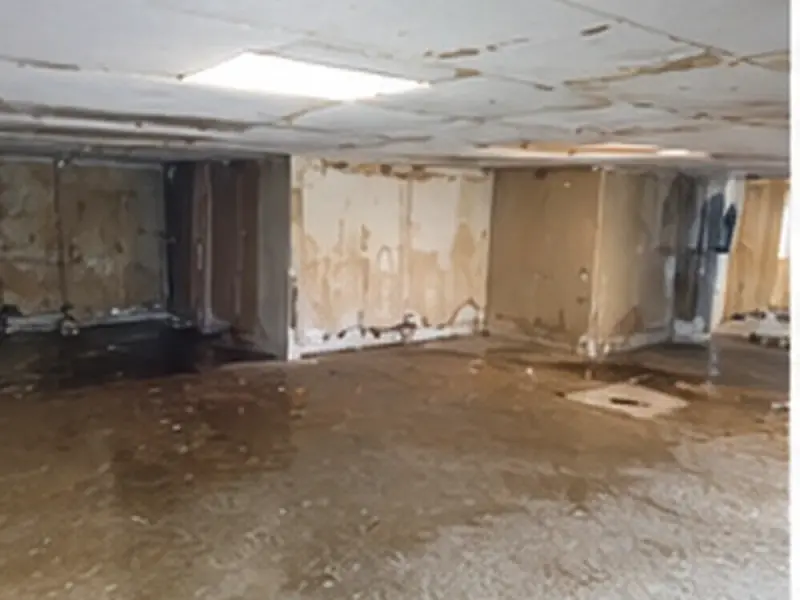
Water entering at one wall can move across the slab and beneath floor finishes before it becomes visible in the next room. An inspection should map the spread and look at adjacent materials. The edge of a puddle may be smaller than the area needing drying access.
Cabinet bases, storage closets and framed partitions can interrupt the visible route. Tell the assessor about any rooms where you found damp boxes, swollen trim or a changed floor edge. Those observations help guide testing, while the findings determine the final work area.
How the water can reach the room
- 1SATURATED YARD
- 2WATER AT FOUNDATION
- 3ENTRY THROUGH OPENING
- 4INDOOR CLEANUP & DRYING
Outside Water and Contamination in a Dacula Home
Water that traveled across a yard may bring sediment and other contaminants into the building. Its appearance does not make it equivalent to a fresh plumbing supply. The source and contact history should inform decisions about cleaning, removal and whether porous finishes are suitable to keep.
Avoid moving affected rugs or boxes into a clean room simply to get them out of the way. Contents handling should be coordinated with the cleanup boundary. Where material removal is proposed, ask for a record of its condition and an explanation of why retention is unsuitable.
Drying starts after the loss is controlled
Extraction removes bulk water, but an indoor setup cannot overcome continuing entry indefinitely. If rain is still bringing water in, the plan should acknowledge the changing conditions and the temporary measures being used. A permanent grading or drainage correction may require a separate contractor.
Once the source is controlled, retained materials need a drying plan with access and monitoring. Flooring layers and wall cavities can require more attention than an exposed slab. Ask how the readings relate to the original entry route and what findings will support equipment removal.
Drainage and Rebuilding Decisions in Dacula
Gutters, downspout discharge and grading are useful things to review after a runoff event. The appropriate correction depends on the property, its openings and the movement of water around it. A specialist should explain which change addresses the observed route and whether further investigation is required.
Do not assume that sealing an interior stain or replacing drywall stops outside entry. Before rebuilding, establish whether source repairs have been completed or whether the room needs to remain accessible. That decision can prevent another round of opening the same surfaces after the next downpour.
Keep cause, cleanup and coverage separate
A storm date is only part of the loss record. The entry route, affected materials and completed work also matter. Keep contractor findings and safe exterior photographs with the restoration documentation. If there are several possible routes, record the uncertainty instead of selecting the explanation that sounds most convenient.
Outside flooding may be treated differently from an interior water release under insurance terms. Ask the insurer about the relevant policy and provide the factual record. Restoration documentation can describe what was observed and done; it does not decide whether a particular source is covered.
Tracing Multiple Storm Entry Routes in Dacula
A downpour can expose more than one weakness. Pooling by a door and seepage at a wall may happen together, while an unrelated appliance leak remains possible indoors. Describe each observation separately. An assessor should not select a single explanation just because it fits the first photograph.
If temporary measures are used, document what they changed and whether indoor entry continued. That record helps the source specialist understand the route after the ground conditions change. It also helps the drying team judge whether the indoor footprint is stable. A changing source can make the first equipment setup provisional, and that should be explained rather than hidden behind a fixed completion date.
Choose rebuilding timing around the unresolved route
Once a room looks better, the desire to replace the finishes is understandable. Before doing so, ask whether the exterior source work is complete and whether any inspection still needs access to the foundation side of the assembly. The responsible trades should agree on the handover rather than leaving the homeowner to assume it happened.
Keep the source correction separate from cosmetic choices. New trim, paint and flooring can make the room usable again, but they do not demonstrate that runoff has a suitable route away from the house. A final review should list completed indoor work, the exterior findings and any remaining recommendation. That gives the property owner a concrete basis for follow-up after the next rainfall.
Keeping a Drainage Repair Record for Your Dacula Home
If the yard is altered after the cleanup, preserve a description of the change with the earlier drainage observations. Future pooling may need to be assessed in that new context. The completed indoor repair should remain clearly documented, while any new exterior work has its own scope, responsible contractor and explanation of the route it is intended to address.
Water Damage Cleanup Cost in Dacula, GA
For initial planning, allow about $3–$7.50 per affected square foot for water cleanup and drying. The examples below show how the affected area changes that allowance.
| Affected area | Estimated range | Example footprint |
|---|---|---|
| 300 sq. ft. | $900–$2,250 | One room or a limited lower-level area |
| 600 sq. ft. | $1,800–$4,500 | Several connected rooms |
| 1,000 sq. ft. | $3,000–$7,500 | A larger basement or multi-room loss |
Outside water can bring sediment into wall bases and floor layers. Contamination, material removal and continued entry can push the cost above the examples below. Grading and drainage corrections are not included in indoor drying.
Planning estimates only, not a quote or a measured local average. Minimum charges, contamination, difficult access, demolition and rebuilding can change the total. Call for a property-specific estimate.
Ask about your Dacula cleanup costBefore a cleanup visit in Dacula
- 1Stay out of floodwater and wet electrical areas.
- 2Record exterior pooling from a safe location.
- 3Describe where indoor water first appeared.
- 4Arrange separate responsibility for drainage and indoor restoration.
Dacula Water Cleanup Questions
Will new drywall stop water coming in?+
No. Replacement finishes do not correct an outside entry route. Source work needs its own assessment and scope.
Can water from the yard be safely dried in place?+
That depends on contamination, materials and access. An assessment should determine what can be cleaned and retained.
Why does the contractor ask about the downspouts?+
Discharge and exterior water movement can help explain the route, although they do not establish the cause without investigation.
Need water damage cleanup in Dacula?
Call with the property location, the rooms affected and whether water is still entering. We can discuss the cleanup and the next step.
Call (678) 329-9101