
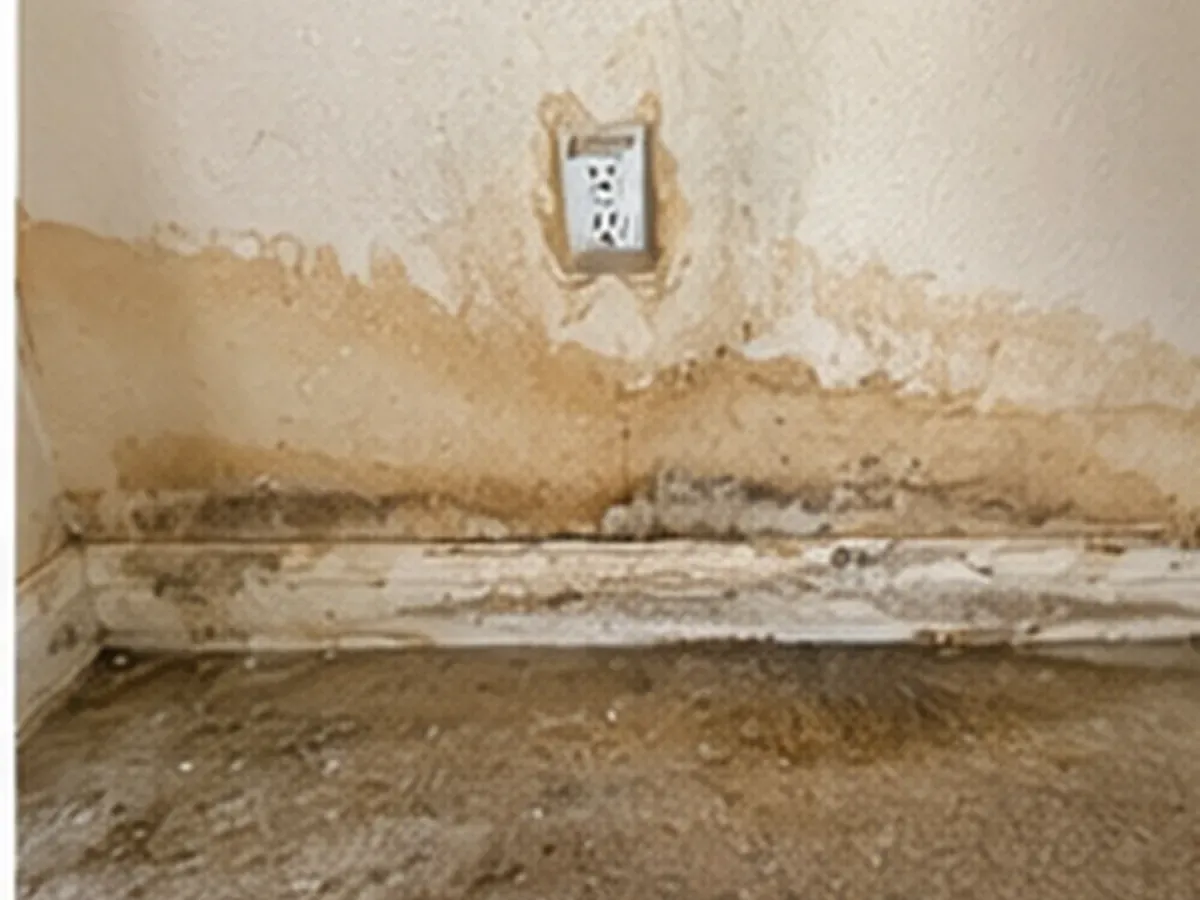
On a sloped lot, the wet wall can be the one you rarely see from outside. A basement cut into the hillside may face soil on one side and open yard on the other. If runoff collects against the uphill wall, the first indoor clue might be a damp floor-wall seam behind a shelf.
For a Sugar Hill property with this layout, cleanup needs to consider two boundaries: where water entered and how far it traveled inside. Those are not always the same place. Water can move along the slab before it reaches carpet, trim or a storage box that makes the problem visible.
Water Damage Services in Sugar Hill, GA
From the first extraction pass to the final repairs, the work depends on the source, the affected materials and what can be saved. Select a service below to jump to the phone section and discuss the work your property needs.
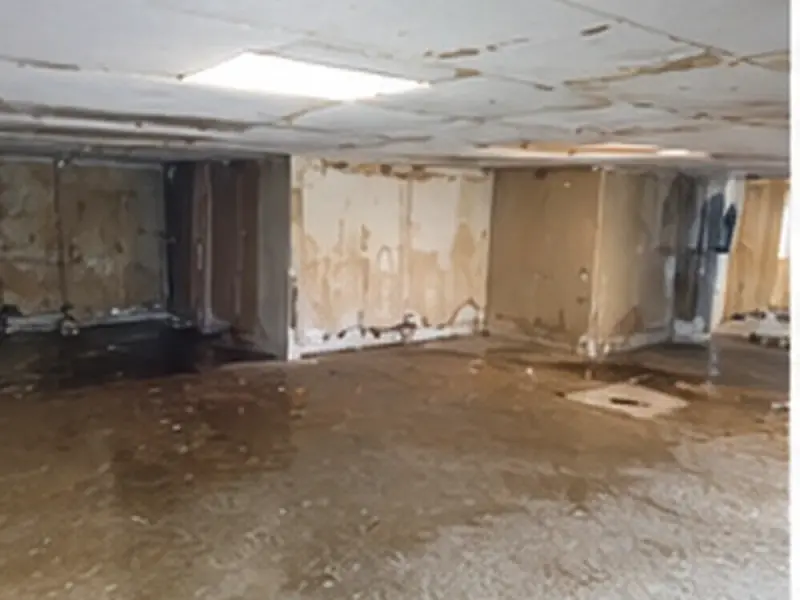
Commercial Water Damage Restoration
Planning cleanup around tenants, employees and the next business day.
Discuss this service ↓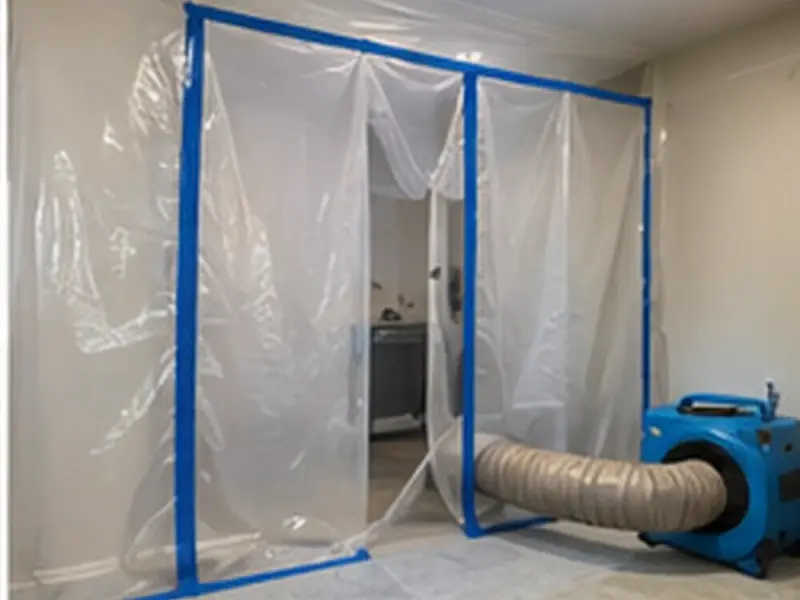
Mold Removal
Containment, physical removal and a plan for the moisture behind the growth.
Discuss this service ↓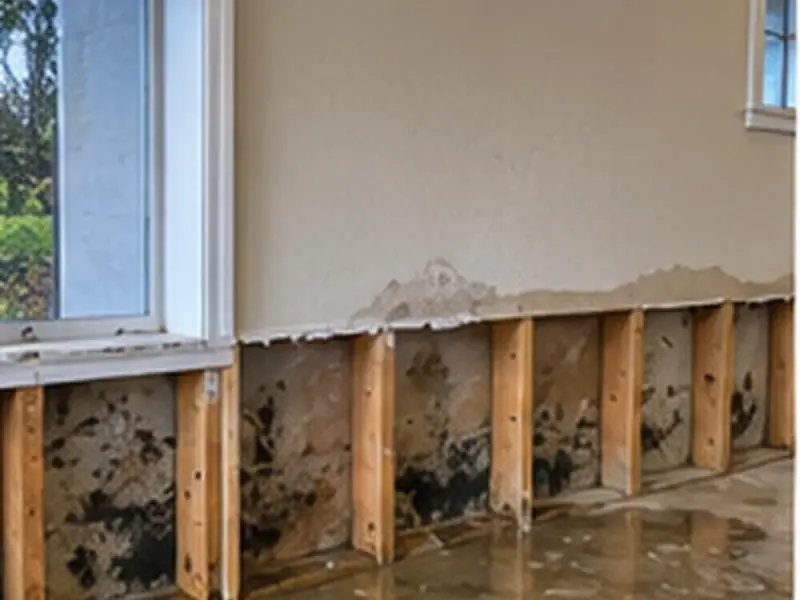
Frozen & Burst Pipe Cleanup
Find every wet layer after a broken supply line is repaired.
Discuss this service ↓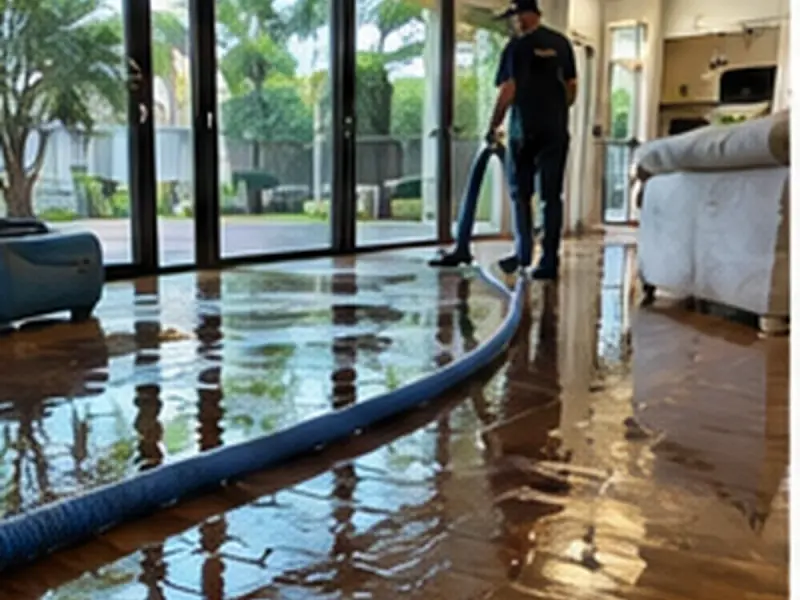
Flooded Basement Cleanup
Water removal and structural drying for finished and unfinished lower levels.
Discuss this service ↓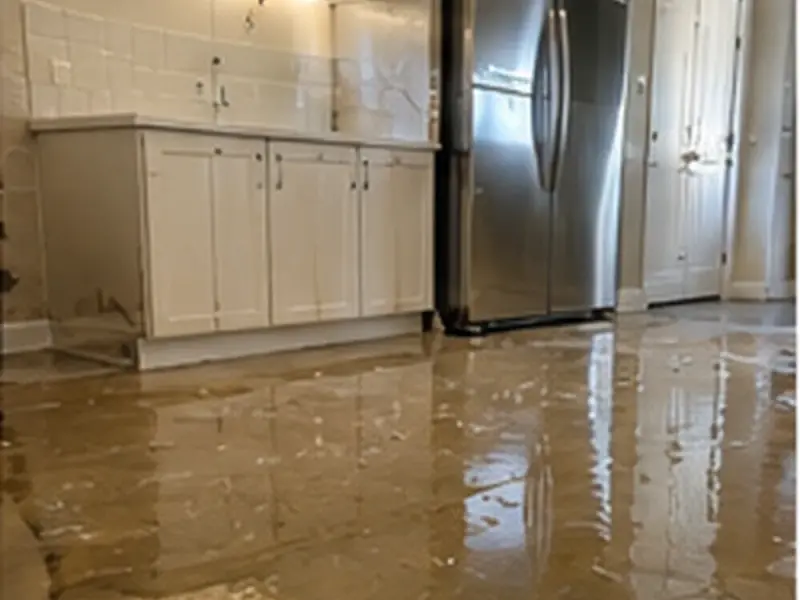
Sump Pump Failure & Flood Cleanup
Deal with the water inside while the pump problem is put right.
Discuss this service ↓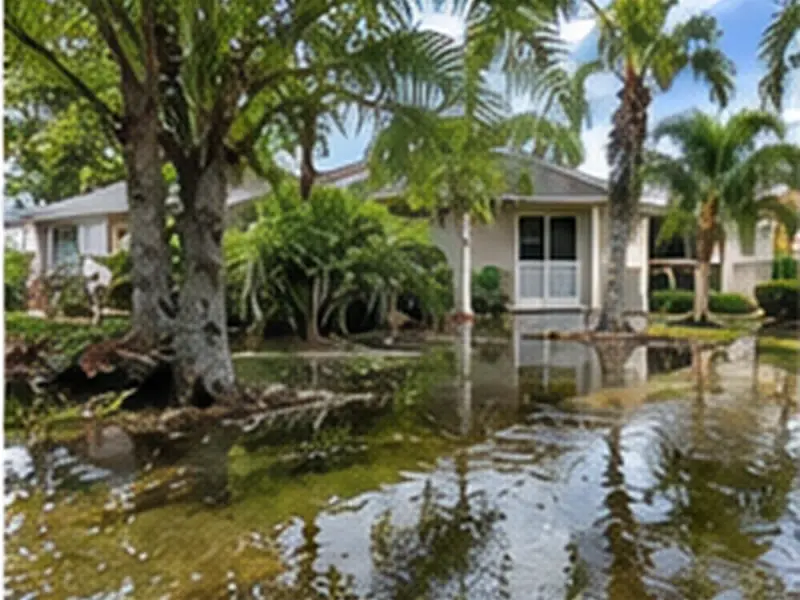
Storm & Flash Flood Water Removal
Cleanup that accounts for outside water, sediment and continuing rainfall.
Discuss this service ↓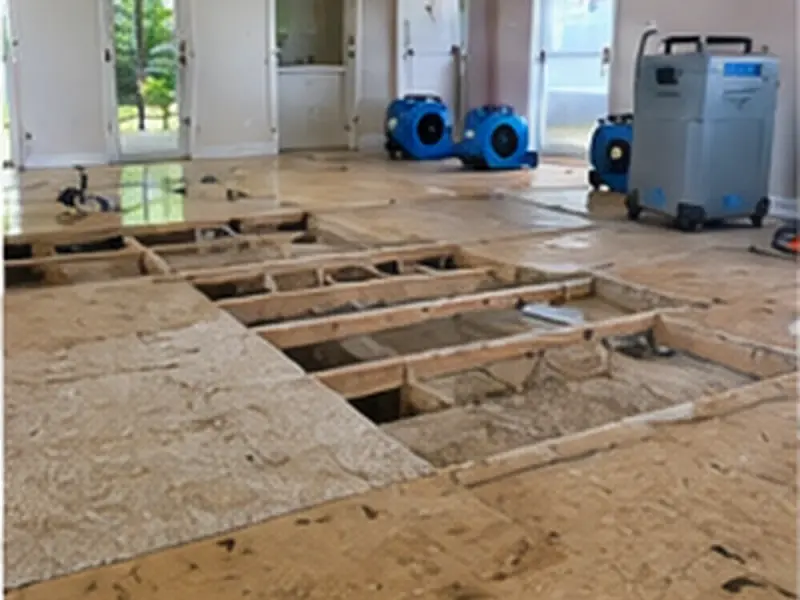
Crawlspace Water Removal & Drying
Check the floor system as well as the water beneath it.
Discuss this service ↓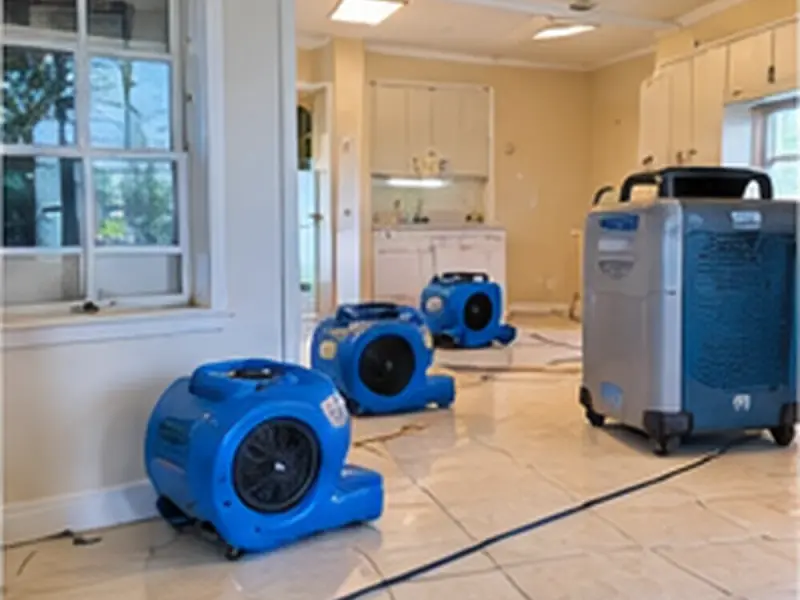
Structural Drying & Dehumidification
A measured drying plan for framing, walls, floors and enclosed spaces.
Discuss this service ↓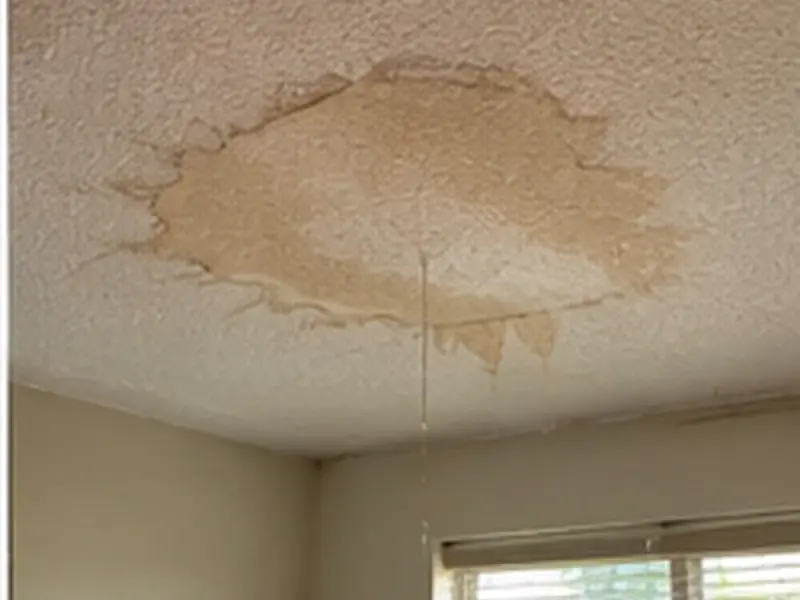
Ceiling & Multi-Level Leak Damage
Trace the route from an upstairs leak to the rooms below.
Discuss this service ↓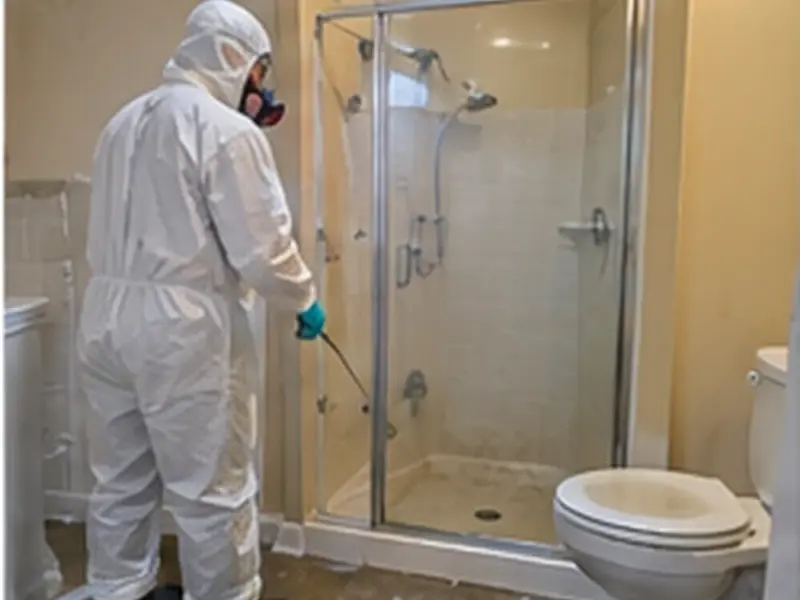
Sewage Backup Cleanup
Control access and contamination before the cleaning begins.
Discuss this service ↓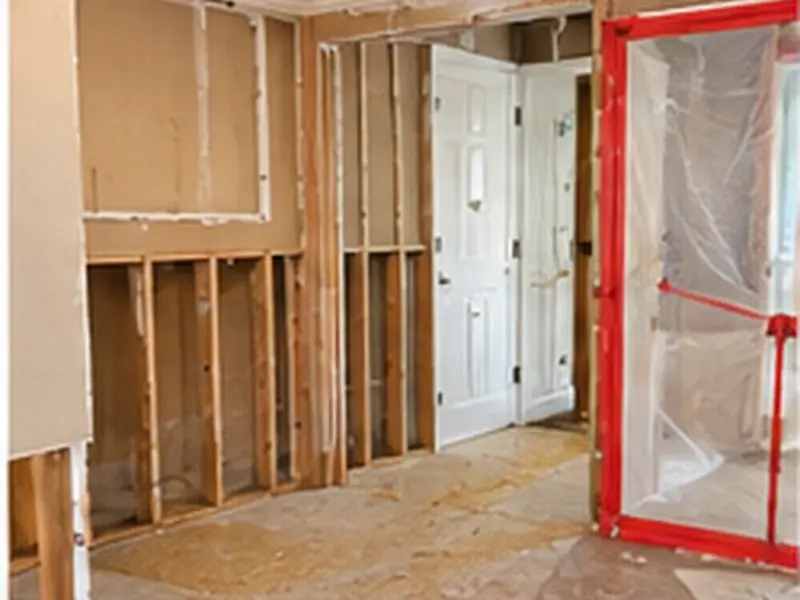
Water Damage Repair & Rebuild
Rebuild around a corrected source and documented dry materials.
Discuss this service ↓
Contents Pack-Out & Cleaning
Decide what can stay, what needs cleaning and what must leave the work area.
Discuss this service ↓Water damage concerns in Sugar Hill
- Uphill basement walls and floor seams
- Wet carpet, drywall and insulation
- Runoff entry and repeat seepage
Basement Water Entry on Sugar Hill Hillside Lots
Tell the assessor where the yard slopes and where you first noticed water. Include any history of overflowing gutters, downspouts discharging close to the wall or ponding near a basement stairwell. These observations help frame the investigation, but they do not prove which defect caused the loss. An exterior specialist may be needed to establish the permanent correction.
A homeowner should not dig beside a foundation or enter a flooded lower level to investigate pressure. Safe photographs and a description of when the condition appears are useful starting points. Keep any earlier drainage or foundation work records, especially when the same seam becomes wet after more than one storm.
What seam seepage can leave behind
Damp staining, peeling finishes and white residue can point to a moisture history. They do not identify the exact age or cause of every wet area. A basement wall may have an older mark alongside a new active leak, so the assessment should distinguish observed moisture from assumptions based only on appearance.
Where a finished wall stands in front of the foundation, the room surface can hide the condition behind it. Insulation, framing and the bottom of drywall may need checks. The decision to open a section should come with an explanation of what the assessor expects to learn and how the finding will affect the drying scope.
How the water can reach the room
- 1RUNOFF ON SLOPE
- 2SOIL AGAINST WALL
- 3SEAM OR CRACK ENTRY
- 4WET LOWER-LEVEL MATERIALS
Sugar Hill Basement Cleanup and Source Repairs
Water extraction can remove the immediate indoor accumulation. Structural drying then addresses retained wet materials. Neither operation changes the slope of the yard, repairs a foundation opening or reroutes a downspout. Make sure the written plan identifies which of those source questions remain and which trade is responsible for them.
A temporary reduction in visible water after the rain stops is not evidence that the cause has been corrected. Before replacement finishes are installed, discuss whether another source inspection or repair needs to happen. Leaving that decision until after rebuilding can make the next investigation more disruptive.
Protect a finished lower level without guessing
Carpet, pad, laminate and stored contents can all extend the affected footprint beyond the seam where entry began. A room-by-room moisture record helps distinguish damp wall bases from genuinely unaffected areas. Ask what findings support retaining a floor and how moisture beneath it can be reached.
Some materials may need removal because of contamination or physical deterioration rather than drying time alone. Those reasons should be clear. If a proposal includes a continuous wall cut, ask how the line was chosen and whether it follows actual findings around the room.
Tracking Drying Progress in a Sugar Hill Basement
The monitoring plan should include the retained assemblies most likely to hold moisture. Readings near the entry wall and across affected flooring answer different questions. Comparing their progress can help identify a stubborn cavity or a continuing source that the first visit did not fully explain.
If an area does not respond, the next step should be a reasoned adjustment rather than an automatic extension of equipment time. Ask whether the remaining issue is material thickness, access or ongoing entry. The record should explain why the work continues and what would support completion.
Prepare a file that separates event, history and repair
For an insurance discussion, preserve the date of discovery, rainfall observations and any safe photographs of the entry route. Describe recurring marks honestly without trying to assign a date you cannot establish. Policy treatment can differ according to the source, and the insurer decides coverage.
Keep the cleanup scope, source-repair findings and proposed reconstruction together. If the property has had several drainage attempts, that history may help the relevant specialist. The immediate restoration file should still make clear what was observed during this particular event and what has actually been completed.
Checking the Grade Around Your Sugar Hill Home
A basement may have one wall below ground and another opening onto the yard. Describe that relationship during the assessment. A stain near an uphill corner and a wet exterior door can represent different routes, even when they appeared during the same storm. An inspection should avoid collapsing those observations into one assumed source.
For example, consider a lower-level storage room beside a finished recreation room. Water first noticed behind a shelf may already have crossed beneath the partition. The practical question is whether the inspection followed that shared floor and wall base. It shows why the plan should be based on the building rather than the first room name mentioned.
Decide what remains accessible during source work
If a drainage or foundation contractor needs to inspect the entry wall, coordinate that visit before reconstruction conceals it. Ask whether the room needs a temporary arrangement while the source question is resolved. A clear sequence can avoid paying to open a newly repaired finish just to investigate the same seam.
Keep stored items away from the work boundary and discuss any important contents before removal begins. When the room is ready for reinstatement, agree on the wall finish, trim and floor transitions in the repair scope. Those finish choices should be separated from the evidence that the retained structure is ready. This gives both the homeowner and the next trade a usable handover.
Water Damage Cleanup Cost in Sugar Hill, GA
For initial planning, allow about $3–$7.50 per affected square foot for water cleanup and drying. The examples below show how the affected area changes that allowance.
| Affected area | Estimated range | Example footprint |
|---|---|---|
| 300 sq. ft. | $900–$2,250 | One room or a limited lower-level area |
| 600 sq. ft. | $1,800–$4,500 | Several connected rooms |
| 1,000 sq. ft. | $3,000–$7,500 | A larger basement or multi-room loss |
On a hillside property, the wet room can extend beyond the wall where water first appeared. Finished partitions, carpet pad and stored contents increase the work. Drainage and foundation repairs are priced separately from indoor cleanup.
Planning estimates only, not a quote or a measured local average. Minimum charges, contamination, difficult access, demolition and rebuilding can change the total. Call for a property-specific estimate.
Ask about your Sugar Hill cleanup costBefore a cleanup visit in Sugar Hill
- 1Stay clear of wet electrical equipment and unstable materials.
- 2Note the uphill wall and visible entry points from a safe position.
- 3Keep earlier drainage records available for the inspection.
- 4Leave wet wall openings and heavy material removal to the appropriate professionals.
Sugar Hill Water Cleanup Questions
Does a wet seam mean the whole basement needs demolition?+
No. The boundary depends on material checks, contamination and access. Ask what findings support each proposed removal.
Can cleanup fix hillside drainage?+
Indoor mitigation does not automatically include exterior drainage or foundation work. Those items need an identified scope and responsible trade.
Should I cover the white residue before the inspection?+
Leave visible conditions available for assessment where safe. A coating can obscure a useful clue without correcting the moisture source.
Need water damage cleanup in Sugar Hill?
Call with the property location, the rooms affected and whether water is still entering. We can discuss the cleanup and the next step.
Call (678) 329-9101