
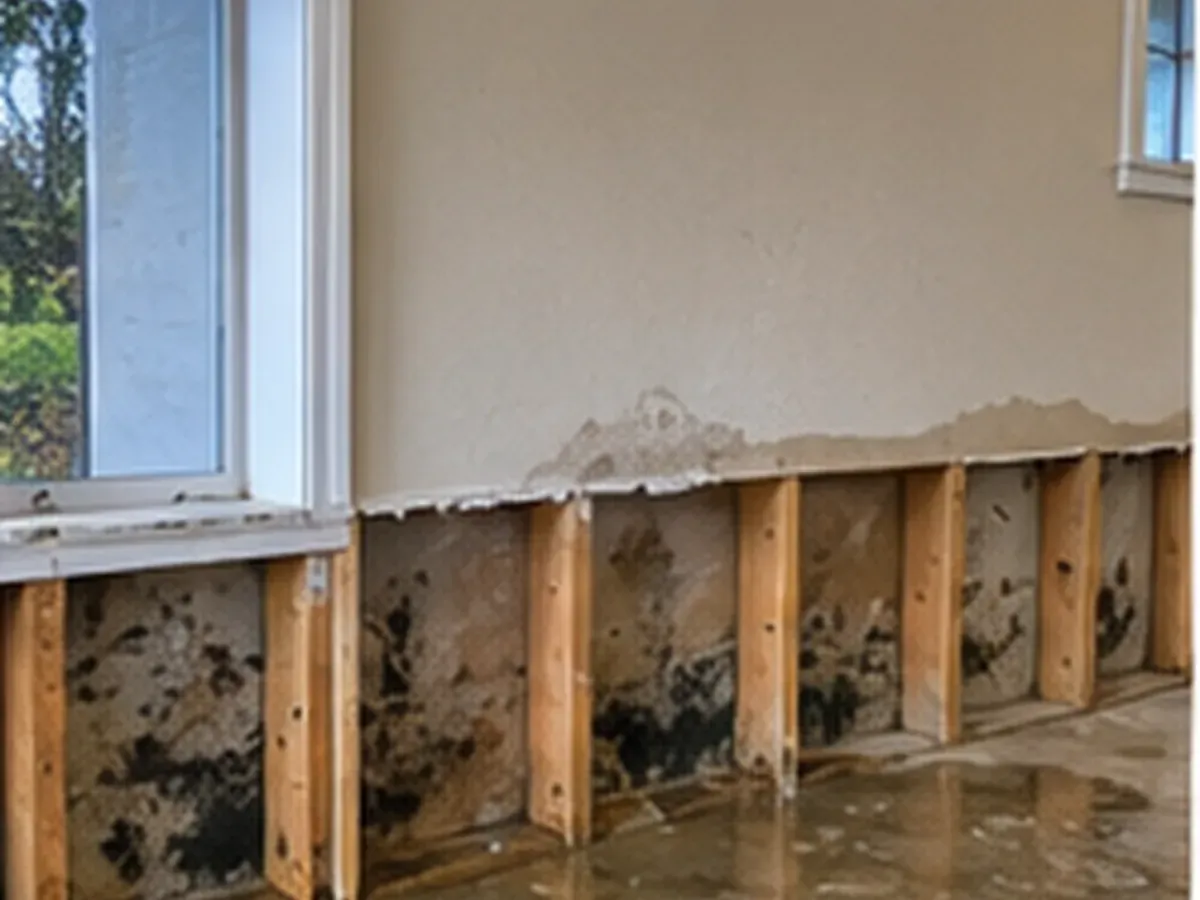
A finished basement contains more places for water to hide than an open slab. Built-in cabinets, trim, carpet pad and framed partitions can make a small-looking loss reach several assemblies. In a Suwanee home with a finished lower level, the first decision should be what is wet behind the room you can see.
Keeping a room intact is a reasonable goal. Keeping a wet layer sealed inside it is not. A sound assessment explains which finishes can remain, where access is needed and why. That explanation should come before a homeowner has to choose between a vague promise to save everything and unexplained demolition.
Water Damage Services in Suwanee, GA
From the first extraction pass to the final repairs, the work depends on the source, the affected materials and what can be saved. Select a service below to jump to the phone section and discuss the work your property needs.
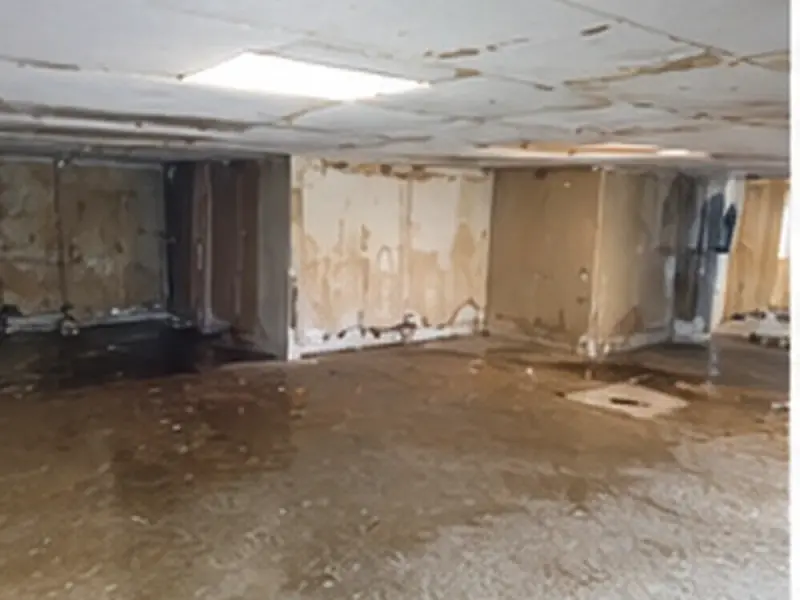
Commercial Water Damage Restoration
Planning cleanup around tenants, employees and the next business day.
Discuss this service ↓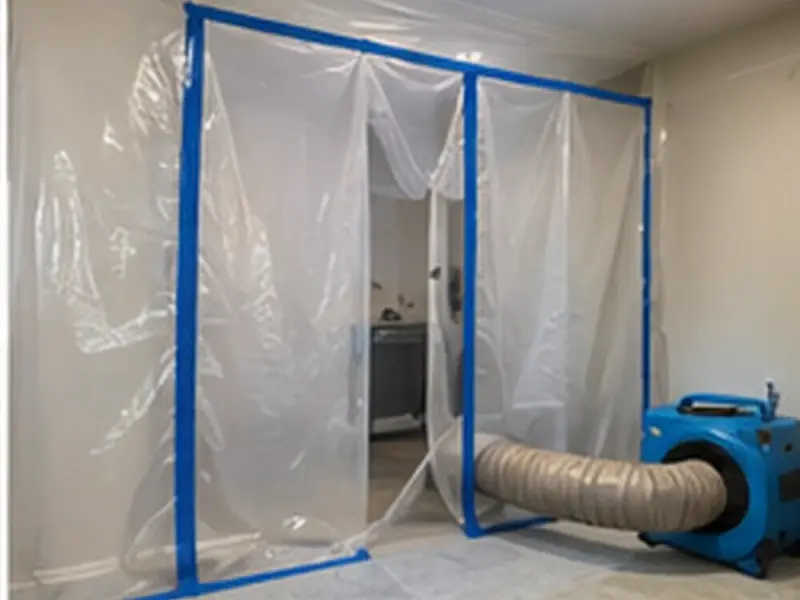
Mold Removal
Containment, physical removal and a plan for the moisture behind the growth.
Discuss this service ↓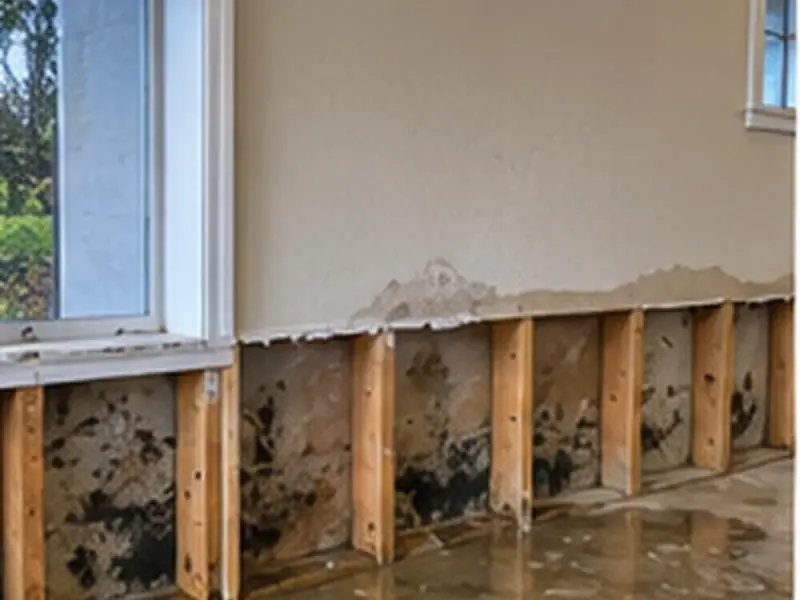
Frozen & Burst Pipe Cleanup
Find every wet layer after a broken supply line is repaired.
Discuss this service ↓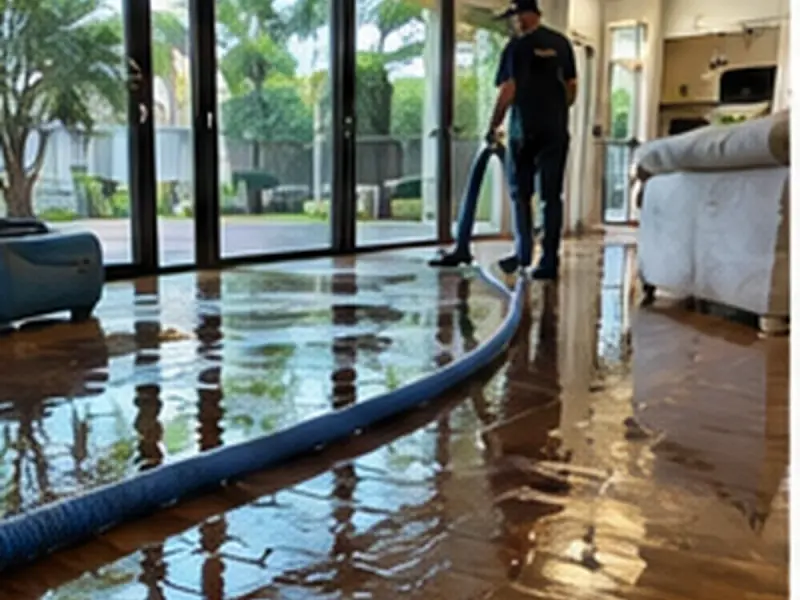
Flooded Basement Cleanup
Water removal and structural drying for finished and unfinished lower levels.
Discuss this service ↓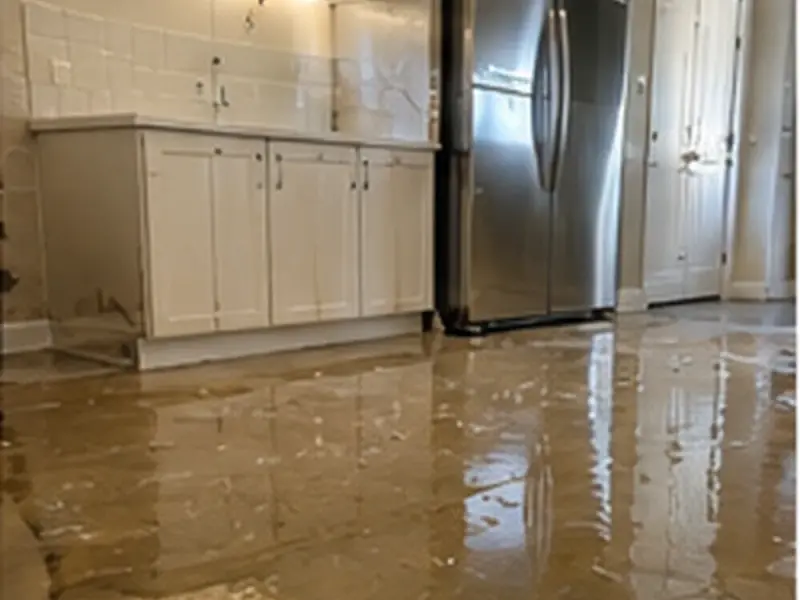
Sump Pump Failure & Flood Cleanup
Deal with the water inside while the pump problem is put right.
Discuss this service ↓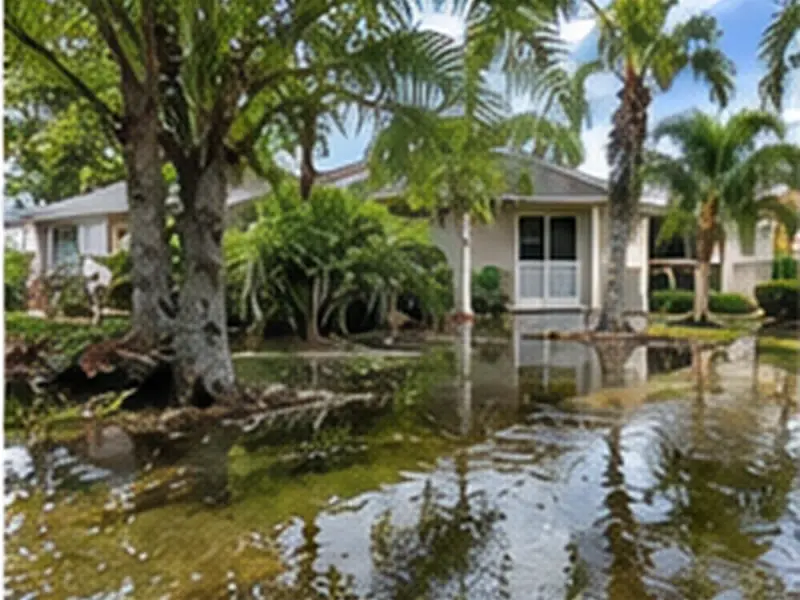
Storm & Flash Flood Water Removal
Cleanup that accounts for outside water, sediment and continuing rainfall.
Discuss this service ↓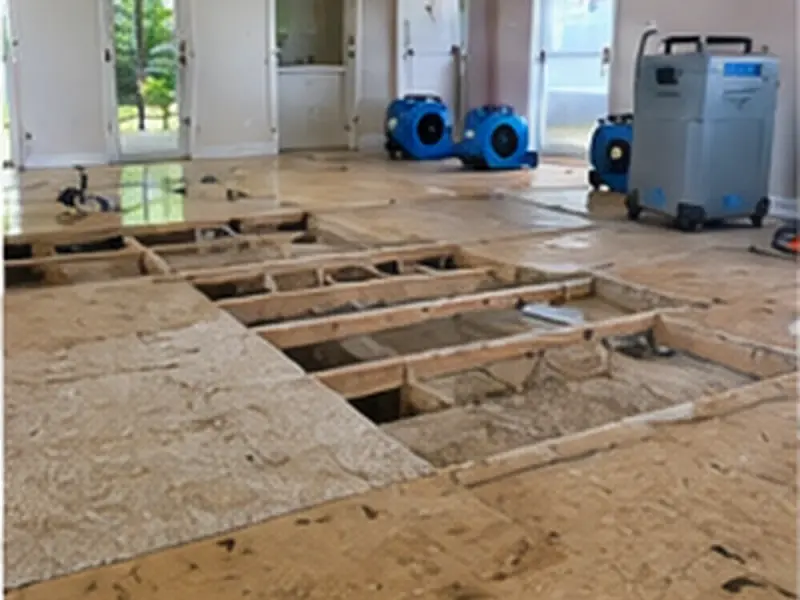
Crawlspace Water Removal & Drying
Check the floor system as well as the water beneath it.
Discuss this service ↓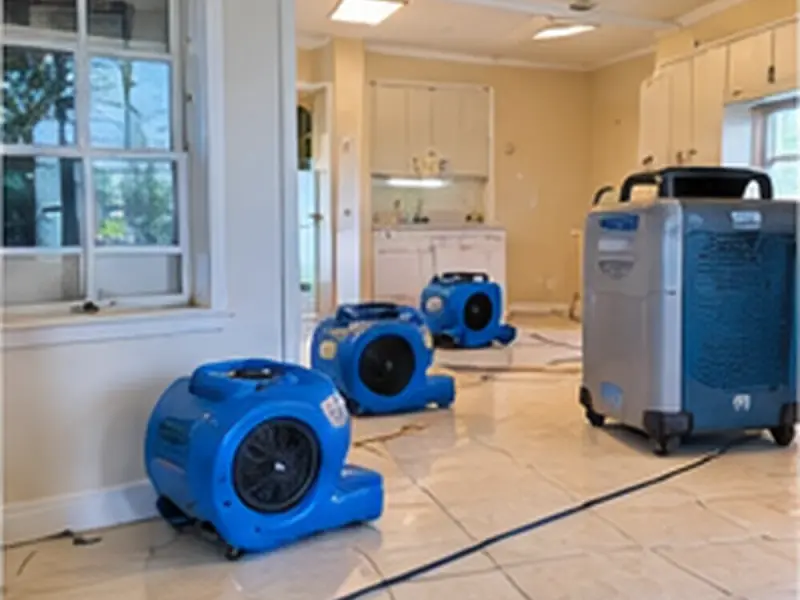
Structural Drying & Dehumidification
A measured drying plan for framing, walls, floors and enclosed spaces.
Discuss this service ↓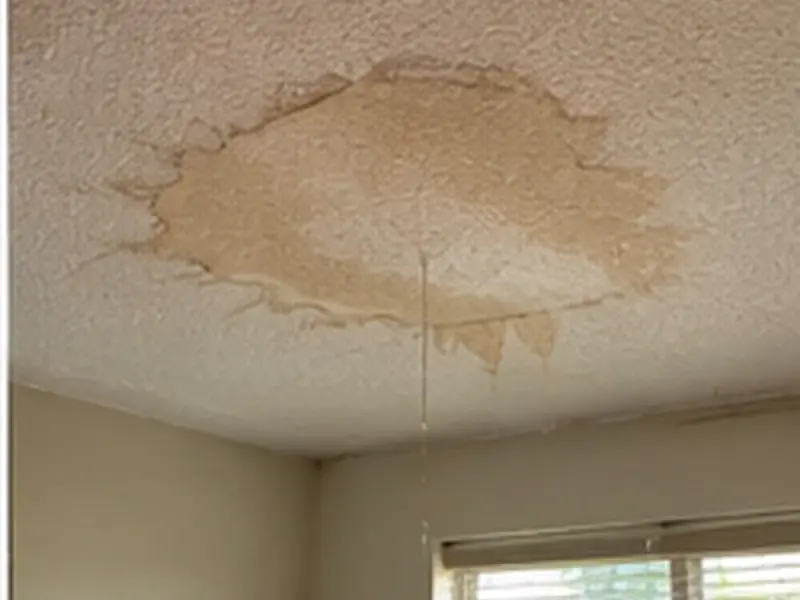
Ceiling & Multi-Level Leak Damage
Trace the route from an upstairs leak to the rooms below.
Discuss this service ↓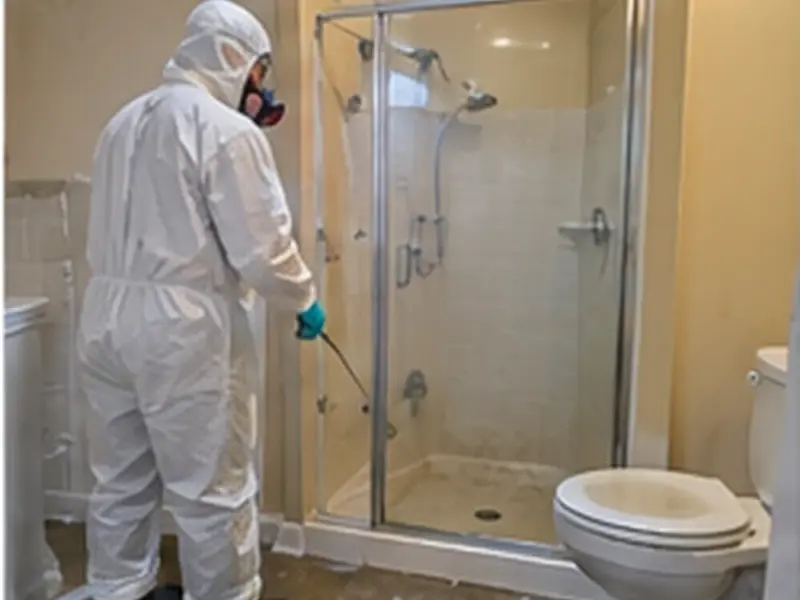
Sewage Backup Cleanup
Control access and contamination before the cleaning begins.
Discuss this service ↓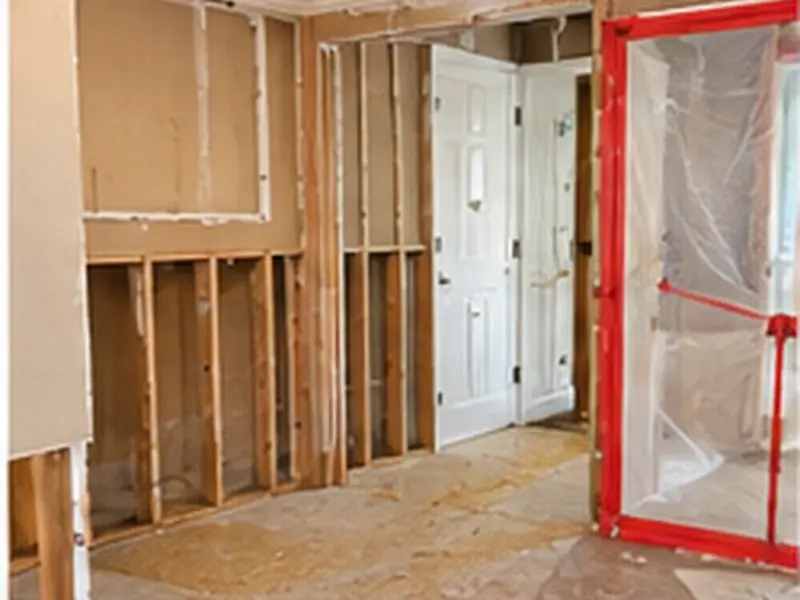
Water Damage Repair & Rebuild
Rebuild around a corrected source and documented dry materials.
Discuss this service ↓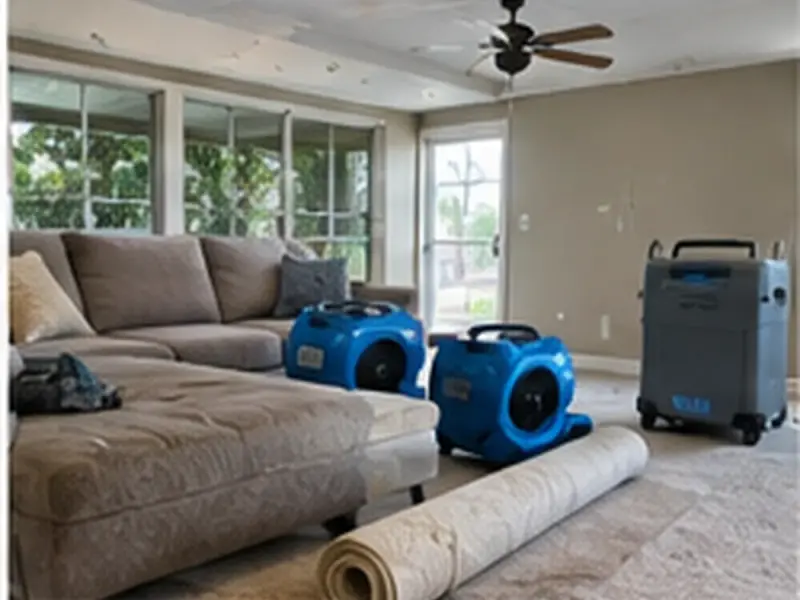
Contents Pack-Out & Cleaning
Decide what can stay, what needs cleaning and what must leave the work area.
Discuss this service ↓Water damage concerns in Suwanee
- Finished basement rooms and built-ins
- Moisture beneath wood and carpet
- Ceilings and walls below plumbing leaks
Assessing Water-Damaged Finishes in Suwanee Basements
A media room, guest room and storage room may share the same water event but contain very different finishes. Carpet and pad hold moisture differently from tile or a floating floor. Built-in seating or cabinets can cover wet surfaces and restrict air movement. An estimate should identify those materials instead of treating the lower level as one uniform space.
Give the assessor information about recent flooring or remodeling work if you have it. Product details and the known floor build-up can help explain what lies beneath the visible finish. Do not assume the same drying method is appropriate for every room simply because water crossed them at the same time.
Inspect behind the expensive-looking surface
A wall finish can look almost unchanged while its lower edge or the insulation behind it is wet. Moisture may have entered from the back, the slab or an upstairs release. Checks should follow the suspected route and include adjoining partitions rather than stopping at the stain that prompted the call.
Selective access can sometimes answer a question without removing an entire finish. In other cases, the condition or contamination makes broader removal appropriate. Ask what each opening is intended to reveal. A written explanation makes it easier to understand the tradeoff between saving a surface and providing effective access to the assembly.
How the water can reach the room
- 1FINISHED SURFACE
- 2HIDDEN WET LAYER
- 3TARGETED ACCESS
- 4MEASURED DRYING
Protecting Contents During a Suwanee Basement Cleanup
Basement furniture, stored electronics and boxed belongings may obstruct inspection and drying. Plan what can move to an unaffected area and what requires separate handling. Photograph significant items before they lose their original room context, provided that it is safe to do so. Do not power up wet devices to test them.
If a pack-out is proposed, ask about inventory, transport, storage charges and return delivery. Contents work should support the building schedule rather than becoming an open-ended expense with unclear access. Decide who authorizes cleaning or disposal and how those decisions will be recorded.
Make equipment decisions around retained assemblies
Drying a finished room can require access behind a cabinet toe-kick, beneath a floor or inside a wall cavity. Air movers placed in the center of the room do not establish that those locations are receiving the required attention. The plan should connect equipment and access to the actual wet materials.
Monitoring should follow the difficult areas, not just the easiest surface to reach. If a floor or wall section remains wet, ask whether the setup needs adjustment or whether additional access is necessary. A finish that feels dry under a hand may still cover moisture that requires a different measurement.
Planning Basement Repairs in Suwanee
A repaired room needs decisions about paint coverage, trim profiles, texture and flooring transitions. Existing finishes may not have an exact replacement. Ask whether the proposal includes a local patch, a wider surface treatment or an optional change in materials. These choices affect price and should be visible before work begins.
Reconstruction should follow the source repair and drying review. Keep the mitigation record available to the repair contractor so that closed cavities are not based on verbal assumptions. If another trade still needs access, arrange that work before replacement drywall or flooring conceals the area.
Know what your records can and cannot prove
Photographs, room measurements and moisture readings help document the condition and the work. They do not decide the insurer's treatment of matching finishes, upgrades or the original cause. Keep requested changes separate from like-for-like repairs so the discussion stays clear.
A good final record tells you which materials were removed, what was retained and what repairs remain. It should also identify any source question still under investigation. That information is more useful for the next decision than a broad statement that the basement is finished or all water problems are solved.
Checking Hidden Layers in a Suwanee Finished Basement
Imagine water entering a finished lower-level hallway and reaching a carpeted room with built-in shelving. The exposed hallway may improve quickly while the pad and cabinet base retain moisture. The scope needs to consider each assembly rather than declaring the entire area dry from the easiest location to measure. This example explains a layout, not a specific local project.
Ask whether access beneath the shelving or at the lower wall is needed to answer an inspection question. If removal is recommended, have the boundary and reason documented. If retention is recommended, understand how the concealed material will be monitored. Both decisions deserve evidence. The aim is not to choose the least disruptive appearance at the first visit; it is to select a method that addresses the actual retained materials.
Manage room use while drying continues
A finished basement may contain a bedroom, work area or family space that people want to keep using. Discuss access restrictions, noise and safe walking routes before the equipment layout is finalized. A room's ordinary function does not establish whether it can remain occupied during the particular cleanup.
Tell the person managing the drying setup if heat, leads or equipment placement creates a practical problem. Moving machines or switching them off without discussion can affect the environment being monitored. At the next review, ask which conditions have improved and what still limits normal use. That update should connect to the actual materials and work boundary, not merely to how many nights the equipment has run.
Water Damage Cleanup Cost in Suwanee, GA
For initial planning, allow about $3–$7.50 per affected square foot for water cleanup and drying. The examples below show how the affected area changes that allowance.
| Affected area | Estimated range | Example footprint |
|---|---|---|
| 300 sq. ft. | $900–$2,250 | One room or a limited lower-level area |
| 600 sq. ft. | $1,800–$4,500 | Several connected rooms |
| 1,000 sq. ft. | $3,000–$7,500 | A larger basement or multi-room loss |
Built-in cabinets, layered floors and finished basement walls can make drying access more involved. A small stain does not always mean a small work area. Replacement flooring, trim and painting belong in a separate repair allowance.
Planning estimates only, not a quote or a measured local average. Minimum charges, contamination, difficult access, demolition and rebuilding can change the total. Call for a property-specific estimate.
Ask about your Suwanee cleanup costBefore a cleanup visit in Suwanee
- 1Identify the source and avoid wet electrical areas.
- 2List affected rooms and the flooring in each.
- 3Keep finish information and contents priorities available.
- 4Ask for the access plan before approving material removal.
Suwanee Water Cleanup Questions
Can hardwood or laminate always be saved?+
No. Product type, contamination, damage and access to trapped moisture affect that decision. Ask for a material-specific explanation.
Why would a cabinet need to be opened?+
Water can collect beneath or behind built-ins. Access may be required to inspect and dry a concealed area.
Does insurance pay to match every finish?+
That depends on the policy and claim decision. Discuss matching expectations with the insurer and list upgrades separately.
Need water damage cleanup in Suwanee?
Call with the property location, the rooms affected and whether water is still entering. We can discuss the cleanup and the next step.
Call (678) 329-9101