
A musty room or a changed floor edge can make you suspect a problem beneath the house. Those symptoms are useful reasons to investigate, but they do not tell you whether the cause is humidity, a slow leak or outside entry. The floor system needs its own assessment.
What matters most
- Persistent dampness can affect wood even when there is no obvious standing water.
- A plumbing leak, ground moisture and humid air need different corrections.
- Drying cannot restore the strength of deteriorated framing or subfloor.
Notice the pattern without turning it into a diagnosis
Record which rooms are affected and when the concern becomes noticeable. A change after rain, a plumbing event or a humid period may help the investigation. Appearance and odor alone cannot identify the full condition of the joists or subfloor.
Do not enter a wet or restricted crawlspace simply to confirm a suspicion. Wiring, low clearance and damaged material can create hazards. If the floor feels unstable, keep people off that area and arrange an appropriate assessment.
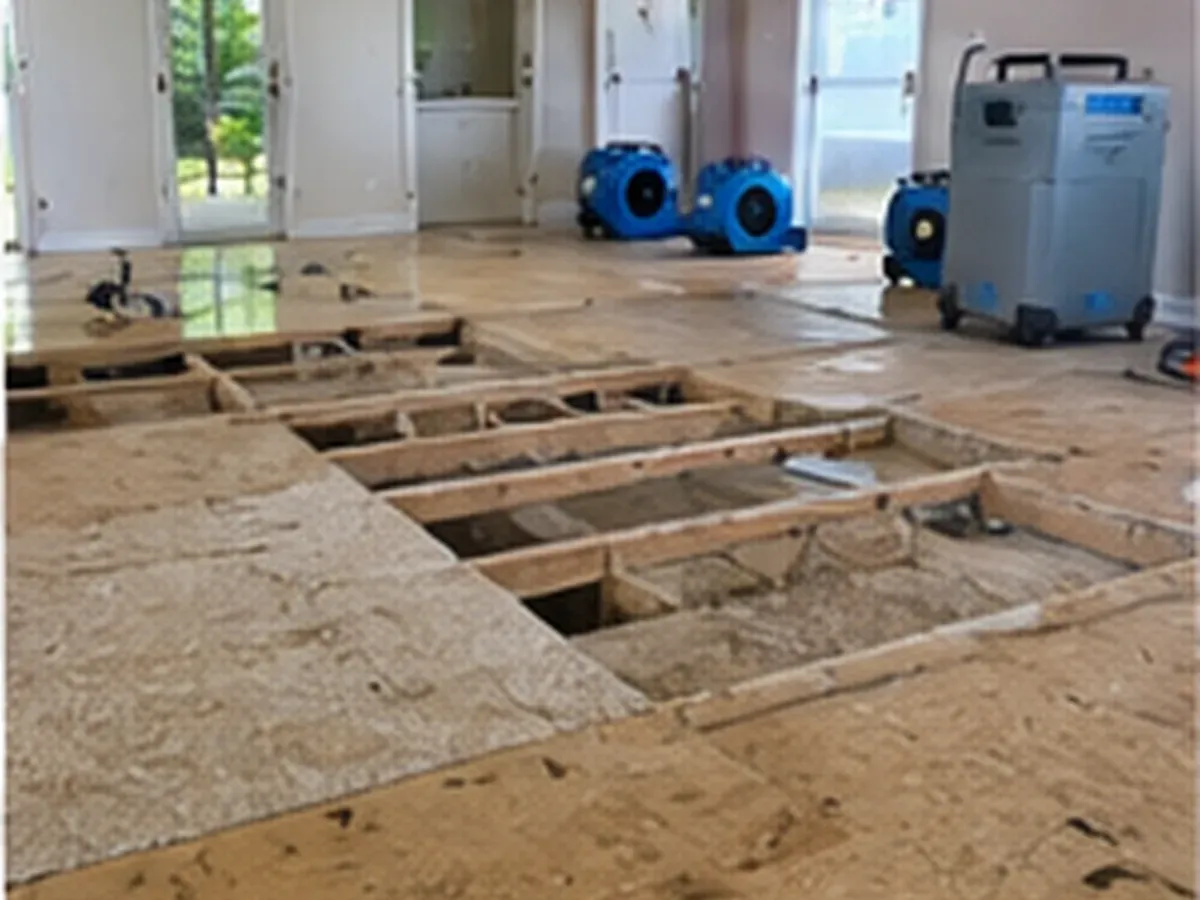
Look at ground, air and materials together
A space can have damp wood without an obvious pool of water. The ground covering, insulation, plumbing routes and material readings need to be considered together. A single observation should not become a blanket explanation for the entire house.
The assessor should connect the upstairs symptom with the relevant area below. If the proposed solution is a new barrier or humidity-control system, ask what source findings support it and whether cleanup or repair is required first.
Different crawlspace findings need different follow-up
| Condition or decision | What it means | What to check next |
|---|---|---|
| Water concentrated beneath a fixture | A localized plumbing release may be involved. | Connect the room above with the pipe route below. |
| Damp insulation or condensation across an area | Air, ground and material conditions need assessment together. | Check the ground covering, source history and wood condition. |
| A soft or sagging floor | There may be a structural concern beyond moisture alone. | Restrict use and arrange the appropriate qualified assessment. |
Separate drying from structural repair
Wood that is wet and wood that is deteriorated are not interchangeable findings. Drying can address moisture in retained material; it does not restore missing strength. Suspected structural damage needs the relevant qualified evaluation.
Wet insulation can also obstruct checks or hold moisture against the floor system. The scope should explain how it will be handled and how remaining surfaces will be accessed. Cleaning an exposed face does not establish the condition of hidden areas.
The crawlspace drying guide explains checks beneath the floor, including insulation and joists. Where growth is found, mold removal addresses containment, physical cleanup and the moisture that must be corrected.
Make permanent correction a specific next step
A drying job should identify what source work remains. Plumbing, drainage and building-specific moisture-control changes may require different trades. Keep those responsibilities visible instead of assuming that removing equipment resolves every seasonal concern.
Retain photos, readings and repair findings. If the symptoms return, that record helps the next assessor understand what was observed and corrected, without inventing an age or cause for material damage.
Ask what each proposed correction is meant to change
Drainage work handles liquid entry. A ground covering addresses moisture movement from the soil. Dehumidification changes air conditions. A plumbing repair stops a release. These measures are not interchangeable, and a proposal should connect each one to a finding at the property. The word crawlspace does not, by itself, establish which combination is needed.
The inspection should also connect the room above with the relevant area below. A kitchen leak can concentrate moisture in one floor section while broader damp conditions affect another. Record those patterns separately. Where insulation prevents inspection or retains water against the wood, ask how it will be handled and what surfaces will remain accessible.
If the floor needs repair, coordinate the source work and drying before replacement conceals the area. Keep the structural assessment distinct from material readings: dry wood is not necessarily sound wood. At handover, retain the room locations, completed corrections and any inspection recommendation so that a later symptom can be compared with an actual work record.
Mistakes to avoid
- Entering a wet, low-clearance crawlspace to confirm a suspicion.
- Installing a new barrier over an unresolved leak.
- Treating moisture control as a repair to damaged structural wood.
From the first sign to the repair
- 1Record the room symptoms and known history.
- 2Check source, air and material conditions together.
- 3Separate drying from suspected structural repair.
- 4Retain access and a practical follow-up record.
Questions homeowners ask
Should the inspection include the room above?+
Connecting the upstairs symptom to the area below can be important. A plumbing route, floor finish or localized material change may guide the investigation. Ask how the assessor has related those observations to the crawlspace findings. The goal is a building-specific explanation, not a general statement that all lower-level air or every older floor is responsible for the concern.
Is ongoing humidity control a replacement for source repair?+
A proposed system should have a defined purpose based on the observed conditions. It does not automatically repair a leaking connection, correct surface entry or establish the condition of damaged wood. Ask which source questions have been addressed and which remain with another trade. Keep those responsibilities visible when planning cleanup, floor repair and any longer-term moisture-control work.
Cleanup services for this type of damage
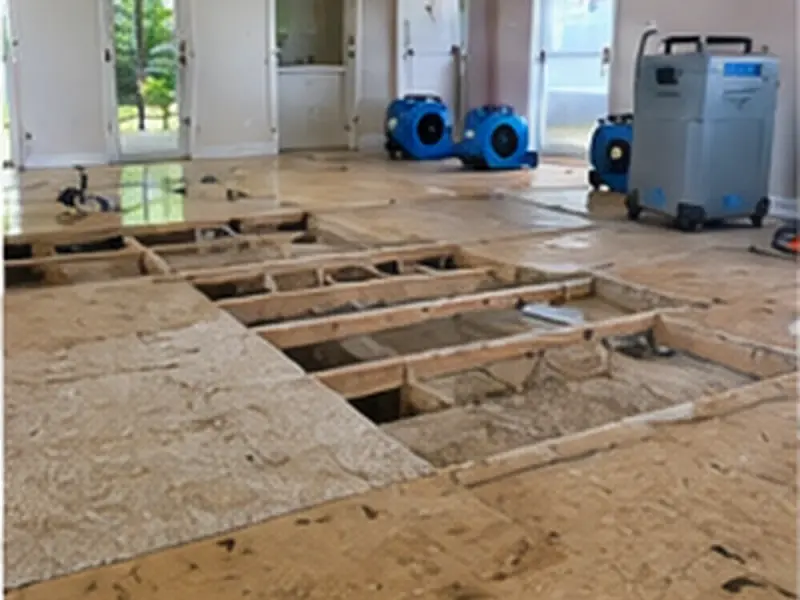
Crawlspace Water Removal & Drying
Check the floor system as well as the water beneath it.
Discuss this service ↓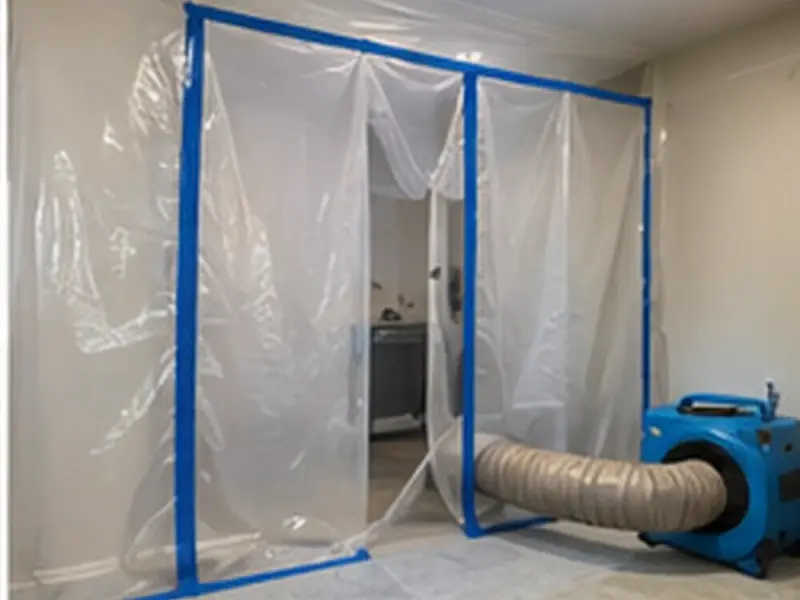
Mold Removal
Containment, physical removal and a plan for the moisture behind the growth.
Discuss this service ↓Need help with water damage in Buford?
Call with the source, the rooms affected and whether water is still entering. We can discuss the cleanup, drying and repair work needed.
Call (678) 329-9101