
A pale line along a basement block wall can look less urgent than a puddle. It may still be telling you something useful about moisture movement. The first step is to identify what the residue is and whether the wall is currently wet, rather than deciding from a photograph alone.
What matters most
- Efflorescence is associated with moisture carrying soluble salts through masonry.
- The deposit does not establish the age or exact cause of the moisture.
- Cleaning residue and correcting the water route are separate jobs.
Residue is evidence to interpret
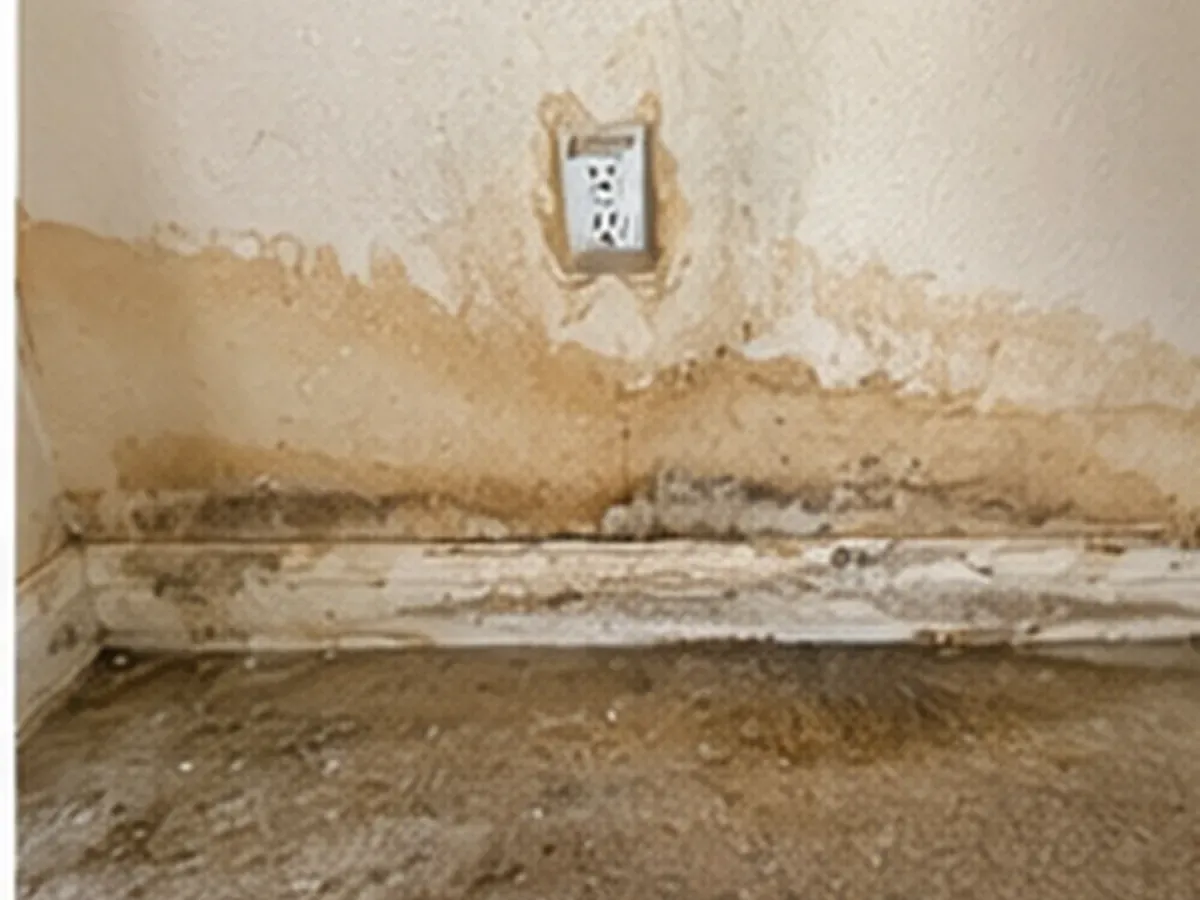
Efflorescence is mineral residue associated with moisture moving through masonry and evaporating. Not every white mark is necessarily that condition, and its presence does not establish the timing or exact source of a leak. An inspection needs to connect appearance with the material and history.
Keep a note of when you first saw it and whether it changes after rainfall. Avoid coating over the area before it has been assessed if that can be done safely. A visible pattern can be more useful to an investigator than a newly painted wall.
Ask whether moisture is active now
A wall may show an older residue while an adjoining finish has a new wet area. Material checks and the observed pattern help distinguish those questions. The assessor should explain what is currently measured and what remains uncertain.
A finished partition in front of masonry can hide the condition of its framing or insulation. The visible mineral line does not define the entire indoor work area. Ask whether adjacent assemblies require inspection before assuming the issue is cosmetic.
Read the wall without jumping to a diagnosis
| Condition or decision | What it means | What to check next |
|---|---|---|
| Pale crystalline residue on masonry | Mineral deposits may be present. | Have the material identified and compare the pattern with current moisture. |
| A finished partition in front of the masonry | The visible face hides framing and insulation. | Check adjoining finishes rather than judging the assembly from residue alone. |
| The mark returns after cleaning | Moisture movement may still be occurring. | Review source findings and the treatment used before applying another coating. |
Cleaning the surface does not correct the route
Removing residue changes the surface appearance. It does not fix a discharge, drainage condition or foundation entry route. If the moisture continues, the mark may return. Permanent correction needs to address the building-specific source.
That work may require a separate trade from indoor extraction and drying. A written scope should distinguish the cleanup from the proposed source investigation so that completed cleaning is not mistaken for completed prevention.
If the residue appears beside a wet room, basement cleanup explains how the indoor materials are checked. Where entry follows runoff, storm water removal covers the source and contamination questions beyond the wall surface.
Use the pattern to guide the next conversation
Bring safe photographs, a rough room layout and any known history of rain-related entry. Note stored items or finishes that appear damp near the same wall. Those details help establish where further checking is worthwhile.
If insurance is involved, describe observations without assigning an unsupported age or cause. A residue pattern may help explain a moisture history, but coverage and repair decisions need the actual findings and policy terms.
Separate identification, moisture measurement and source correction
These are three different questions. First identify the deposit and the material beneath it. Then establish whether the wall or adjoining finishes are currently wet. Finally investigate how moisture reached that location. A photograph can preserve the pattern, but it cannot perform all three tasks. Include a wider view showing the floor seam, corners and nearby openings when safe.
A basement may contain an exposed block wall beside a framed room. Residue on the block can be visible while the condition behind drywall remains hidden. The inspection should follow those construction changes. Ask whether the flooring and partition base have been checked and whether access is needed to evaluate the concealed side.
If a cleaner or sealer is proposed, find out what it is intended to do and what preparation it requires. Keep the product decision separate from drainage or foundation work. When the deposit returns, the next assessment needs a record of both the surface treatment and the source corrections, rather than another isolated before-and-after photograph.
Mistakes to avoid
- Calling every white stain efflorescence from a close photograph.
- Painting over the pattern before the source has been assessed.
- Assuming an old mark proves there is no active moisture now.
From the first sign to the repair
- 1Preserve a safe wider view of the wall.
- 2Identify the residue and current material condition.
- 3Investigate the route that brought moisture through.
- 4Discuss treatment after the source assessment is clear.
Questions homeowners ask
Can I identify the source from the height of the deposit?+
The pattern can guide questions, but it does not by itself establish the exact route or timing. Water movement, construction and earlier surface treatments can affect appearance. Share the history and wider context with the assessor. Ask which current findings support the proposed explanation and whether nearby finished materials need checks independent of the visible residue line.
Does a clean-looking wall mean the moisture stopped?+
Surface appearance can improve without resolving the route that brought water to the material. Ask what changed about the source and whether the retained assembly has been assessed. Keep cleaning and coating records with any source repair. If the deposit returns, that combined record gives the next investigator a more useful starting point than comparing the appearance before and after cleaning alone.
Further reading: Brick Industry Association: efflorescence ↗
Cleanup services for this type of damage
Flooded Basement Cleanup
Water removal and structural drying for finished and unfinished lower levels.
Discuss this service ↓
Storm & Flash Flood Water Removal
Cleanup that accounts for outside water, sediment and continuing rainfall.
Discuss this service ↓Need help with water damage in Buford?
Call with the source, the rooms affected and whether water is still entering. We can discuss the cleanup, drying and repair work needed.
Call (678) 329-9101