
The basement is dry again, but the yard still sends water toward the same wall. Replacing indoor finishes without reviewing that route can leave the original concern unresolved. Prevention starts by observing where runoff collects and having the appropriate trade assess why.
What matters most
- Record where roof runoff and yard water collect, from a safe position.
- Maintenance, repair and redesign are different scopes.
- Indoor drying still needs attention after the outside route is corrected.
Notice where roof water goes
Gutters and downspouts move roof runoff, but their condition and discharge arrangement matter. From a safe position, note overflow, a disconnected outlet or water collecting near the house. Do not climb a wet ladder or roof during a storm to investigate.
The appropriate correction depends on the building and site. Ask a suitable contractor to explain how the proposed discharge route addresses the observed pooling and whether other entry points remain.
Ground levels can change the route
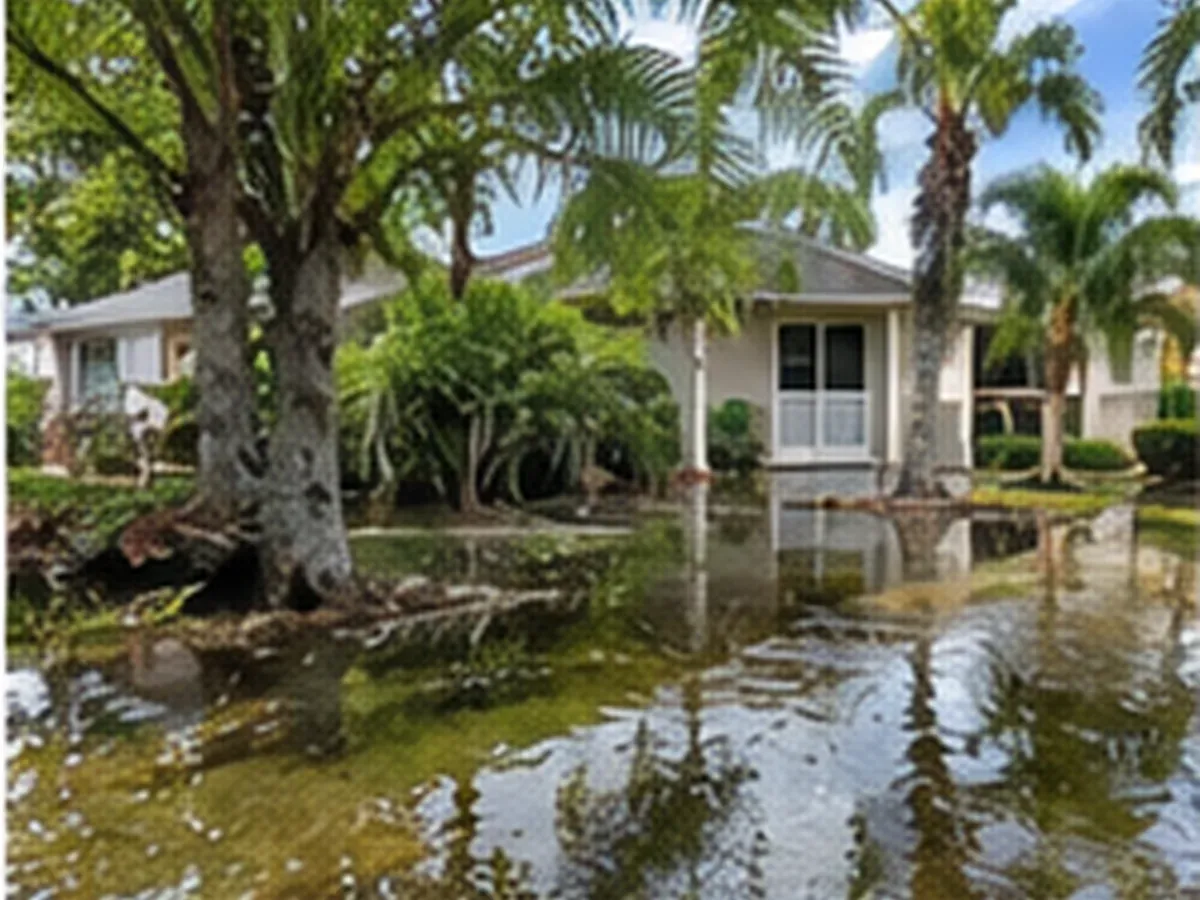
Landscaping, settlement and nearby hard surfaces can affect where water travels. A low opening or basement stairwell may become a collection point. Those observations help a grading or drainage assessment without proving the cause by themselves.
Avoid improvised excavation beside a foundation. A site-specific correction may need to consider utilities, neighboring property and the building construction. The aim is a sound route for runoff, not simply moving water from one troublesome corner to another.
Outside observations worth recording
| Condition or decision | What it means | What to check next |
|---|---|---|
| Gutter overflow during a storm | Roof water may be reaching the ground outside the intended route. | Have the gutter, outlet and discharge arrangement checked after conditions are safe. |
| Water beside a basement stairwell | A low opening can collect runoff. | Include the opening and surrounding grade in the drainage assessment. |
| Pooling after landscaping changes | The site route may have changed. | Keep the change history available for the contractor reviewing the problem. |
Keep indoor restoration in its own scope
Even after an exterior route is corrected, materials already wet inside may still need attention. Carpet pad, lower wall assemblies and stored contents do not become dry because a downspout is repaired. The cleanup scope should follow those materials.
Conversely, extracting indoor water does not perform the exterior correction. Identify who is responsible for each stage and when source work needs to happen relative to reconstruction.
After source work is arranged, storm water removal addresses water and sediment already inside. If the lower level is affected, flooded basement cleanup explains the checks required beneath finishes and around wall bases.
Document what changed
Keep photographs and the contractor's description of completed drainage work. If the concern returns, that history helps a future assessor understand the route that was addressed and what may still need review. Do not treat one repair as a promise against every future weather event.
Before closing indoor walls or replacing flooring, ask whether any source question remains unresolved. That conversation can prevent a completed room from becoming the obstacle to the next useful inspection.
Ask what the proposed drainage work actually changes
Clearing an obstruction restores an existing route. Repairing a broken component restores its function. Redesigning discharge or ground drainage changes where water travels. Ask which of those is proposed and what observation supports it. A recurring problem deserves that distinction rather than another vague instruction to keep the gutters clean.
A site review may need to consider openings, surface levels and nearby hard areas as well as the downspout itself. Do not choose a discharge distance or excavation method from a generic example. The appropriate trade should explain the route for this property and account for the constraints around the building, utilities and neighboring land.
Keep the completed outside work connected to the indoor schedule. An assessor may still need access to the foundation side of a wall before finishes return. Meanwhile, already-wet floor layers need their own drying record. A source correction stops further entry; it does not prove that every material affected earlier is ready for reconstruction.
Mistakes to avoid
- Climbing a wet ladder to investigate overflow during a storm.
- Moving water away from one corner without considering where it goes next.
- Assuming new indoor drywall performs the outside source correction.
From the first sign to the repair
- 1Observe pooling and overflow only from safety.
- 2Have the route assessed for the particular site.
- 3Separate source work from indoor drying tasks.
- 4Record the correction and any unresolved recommendation.
Questions homeowners ask
Can I assume a longer downspout extension solves the problem?+
The appropriate correction depends on where water goes next and what route brought it to the building. Ask a suitable contractor to explain the proposed arrangement and whether other issues remain. Moving discharge away from one corner does not by itself establish a sound solution for the site. Keep the observed pooling and completed work documented for later comparison.
Should outside work wait until every indoor repair is finished?+
Coordinate the sequence rather than assuming one universal order. A source question may need investigation before indoor access is closed, while emergency extraction can be necessary immediately. Ask the responsible trades what each stage requires and what remains provisional. The homeowner should receive a clear handover between outside correction, retained-material drying and reconstruction instead of discovering the dependency after finishes are installed.
Cleanup services for this type of damage
Storm & Flash Flood Water Removal
Cleanup that accounts for outside water, sediment and continuing rainfall.
Discuss this service ↓
Flooded Basement Cleanup
Water removal and structural drying for finished and unfinished lower levels.
Discuss this service ↓Need help with water damage in Buford?
Call with the source, the rooms affected and whether water is still entering. We can discuss the cleanup, drying and repair work needed.
Call (678) 329-9101