
The basement may stay dry through several storms and then take on water during one long downpour. That pattern can tempt a homeowner to blame a single crack. The more useful question is how water reached that part of the foundation and what changed while the rain continued.
What matters most
- Trace the outside water route and the wet materials inside as two parts of the same loss.
- A damp floor-wall seam can hide moisture beneath adjoining flooring.
- Extraction does not replace drainage or foundation repairs.
Follow the route from the yard to the room
Surface runoff, discharge close to the house and low openings can all deserve investigation. Dense soil can make drainage an important part of the conversation, but soil type alone does not diagnose a specific property. Describe where water collected and which wall became wet first.
Safe photographs of pooling or an overflowing downspout can be useful after the yard dries. Do not enter floodwater or excavate beside the foundation to gather evidence. A drainage or foundation specialist may be needed to establish the permanent correction.
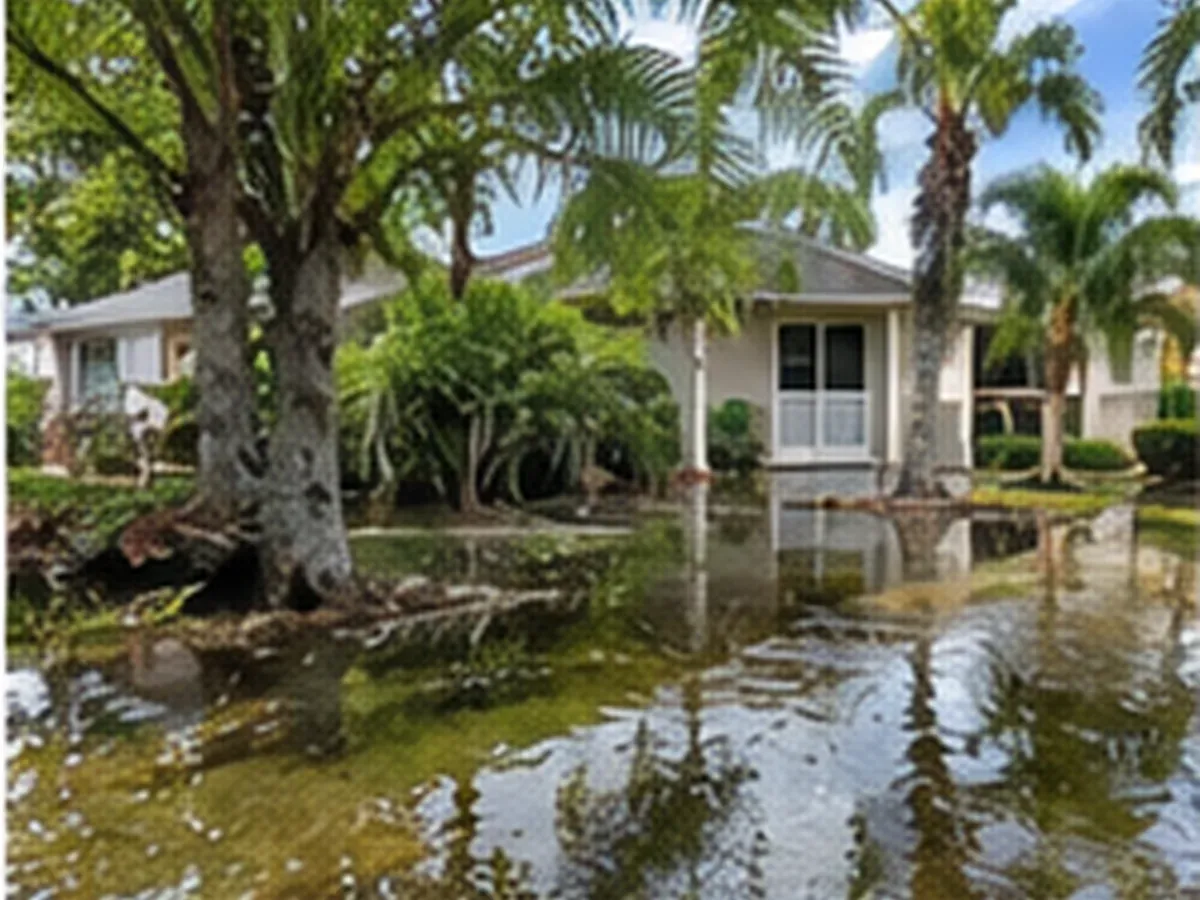
A wet seam does not define the whole loss
Once water enters, it can move along the slab and under a finished floor. The wet area may extend beyond the visible entry seam. Carpet pad, lower drywall and objects stored on the floor can hold water after the puddle recedes.
An indoor inspection should therefore follow materials as well as the source. Ask how adjacent rooms and enclosed wall sections were checked. A proposal limited to wiping the seam may leave the larger drying question unanswered.
Basement clues and the next inspection
| Condition or decision | What it means | What to check next |
|---|---|---|
| Water at the floor-wall seam | An entry route at the foundation may be involved. | Check the exterior grade, drainage history and adjoining wall base. |
| Carpet feels dry but trim is swollen | Moisture may have spread beneath the floor or into the wall. | Inspect the pad, lower drywall and enclosed layers. |
| Water appears near a utility area | Plumbing or a sump issue may be separate from outside seepage. | Have the source identified before choosing the cleanup method. |
Pumping and waterproofing solve different problems
Extraction removes water already inside. Structural drying addresses retained materials. Neither operation changes the grading, reroutes a discharge or repairs an opening in the building envelope unless that work is separately included.
The homeowner needs a clear handover between those responsibilities. Before reinstalling finishes, identify what source work remains and who will do it. Rebuilding around an unresolved entry route can make the next inspection more disruptive.
When water has crossed the lower level, flooded basement cleanup covers extraction and wet finishes. The storm water removal guide explains the separate decisions for outside water and sediment.
Keep the event record factual
Record discovery time, visible conditions and any known history. White residue or old staining may point to past moisture, but appearance alone cannot establish the timing or cause of every mark. Separate observations from assumptions.
Insurance treatment may depend on the entry route and the policy. Preserve safe photos, contractor findings and cleanup records without treating any one document as a coverage decision. The next step is a source assessment paired with a material-focused drying scope.
Why the same basement can have more than one water route
A roof downspout can discharge beside one wall while a low stairwell collects runoff on the other side. Indoors, both routes may feed the same slab. The first puddle you notice is therefore not necessarily the only entry point. Record separate observations: where the outside water collected, where the wall became damp and where flooring changed.
Inside a finished basement, partitions and door thresholds can redirect water. A storage room may drain across exposed concrete while a carpeted room holds water in the pad. Drying one does not establish the condition of the other. An inspection should label the rooms and check the assemblies separately, including closets and built-in storage that restrict access.
Before the wall is repaired, settle the source question with the relevant trade. Ask whether the entry route has been corrected, whether further access is needed and which indoor materials were retained. Keep the drainage findings with the drying record. If another storm brings water back, that record helps distinguish a new route from the condition already addressed.
Mistakes to avoid
- Replacing trim before checking the wall behind it.
- Treating a new interior coating as proof that runoff has been corrected.
- Stopping the inspection at the edge of the visible puddle.
From the first sign to the repair
- 1Record where runoff collects outside the house.
- 2Identify the first observed indoor entry point.
- 3Check adjoining floor layers and wall bases.
- 4Coordinate source repair before closing affected finishes.
Questions homeowners ask
Should I wait for the next storm to prove the leak?+
Do not leave an active indoor loss unaddressed to collect better evidence. Preserve what you can observe safely, note the timing and arrange an assessment. If another event occurs before source work is complete, report the changed conditions. A specialist can decide what investigation is appropriate without requiring the homeowner to recreate water entry or enter a hazardous area.
Is an inside coating the same as fixing drainage?+
A coating and a drainage correction have different purposes. Ask what route the proposed work addresses and what evidence supports it. The source assessment may identify an exterior issue, an opening or another cause that needs a separate trade. Keep that work distinct from replacing indoor finishes so that a completed room does not conceal an unresolved source question.
Cleanup services for this type of damage
Flooded Basement Cleanup
Water removal and structural drying for finished and unfinished lower levels.
Discuss this service ↓
Storm & Flash Flood Water Removal
Cleanup that accounts for outside water, sediment and continuing rainfall.
Discuss this service ↓Need help with water damage in Buford?
Call with the source, the rooms affected and whether water is still entering. We can discuss the cleanup, drying and repair work needed.
Call (678) 329-9101