A suggested contractor can simplify the first phone call after a loss. It can also leave a homeowner unsure who is choosing the scope and what they are agreeing to. Before signing, separate the provider recommendation from the actual work authorization and policy requirements.
What matters most
- Ask the insurer what its recommendation means under your policy and claim procedures.
- Compare the work included, not just the bottom-line estimate.
- Keep work authorization, changes and coverage decisions separate.
Ask the insurer to explain the recommendation
Find out whether the company is being offered for convenience, through a network or under a specific arrangement. Ask what the policy requires and whether there are procedures you should follow before approving work. Do not rely on a general website statement to determine your rights under a particular policy.
If you are considering another provider, ask the insurer how estimates and documentation will be reviewed. Keep the answer in your claim record. Rules, contracts and policy language can vary, so unresolved questions may need an appropriate adviser.
Review the scope independently of the introduction
A contractor still needs to explain the affected area, material decisions and monitoring plan. Ask which findings support proposed removal and how changes will be approved. A recommendation does not replace a readable description of the work.
Clarify who is responsible for payment, deductibles, exclusions and optional upgrades. Do not assume that a contractor's presence means every charge has already been approved. Request written terms before the scope expands.
Documents that answer different questions
| Condition or decision | What it means | What to check next |
|---|---|---|
| Emergency work authorization | Permission and terms for the immediate work. | Read payment terms, exclusions and the change process before signing. |
| Mitigation estimate | The proposed extraction, removal, cleaning and drying scope. | Check the room list, material decisions and monitoring charges. |
| Reconstruction proposal | The work to replace finishes and restore the rooms. | Separate like-for-like repairs from optional upgrades and matching choices. |
Know which documents you are signing
An emergency work authorization, a repair contract and a contents storage agreement may cover different activities. Read them as separate commitments where applicable. Ask for unclear terms to be explained before signing rather than expecting the claim process to resolve every ambiguity later.
The work file should connect invoices with actual rooms, materials and visits. Photographs and drying records help explain the work, but they do not guarantee payment. Keep copies available to both the homeowner and the insurer as required.
For an occupied property, commercial restoration adds access and tenant coordination to the work plan. If belongings must leave the room, contents pack-out explains inventory, handling and storage terms to review separately.
Keep communication factual and organized
A single timeline with source findings, approved scopes and changes reduces confusion. If the insurer or contractor disputes an item, ask what information would resolve the question. A clear record is more helpful than an argument based only on the total invoice.
The practical goal is work you understand and a claim process you can follow. For policy interpretation or a dispute, seek advice suited to your circumstances instead of treating a restoration page as a legal determination.
Compare two estimates on the same work boundary
Start with the room list. If one company includes the basement closet and another does not, ask what findings explain the difference. Next compare retained and removed materials. A lower total may reflect omitted access, monitoring or reconstruction rather than a different price for the same job. The estimate should make those differences visible before approval.
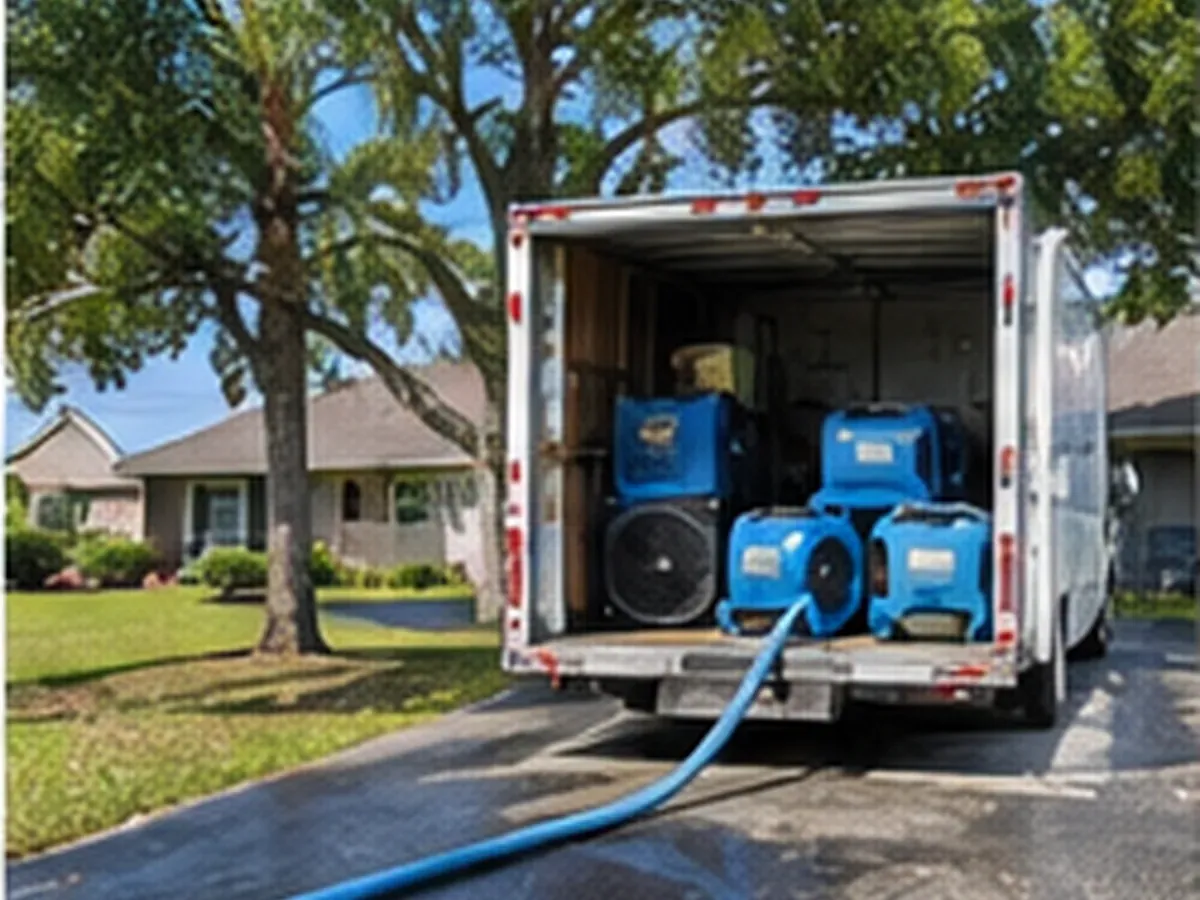
Equipment charges need context too. Ask how the setup relates to the wet assemblies, how visits are recorded and what determines removal. More machines do not establish better access to a concealed floor; a lower daily rate does not establish a lower total. Compare the method, expected record and exclusions alongside the unit prices.
When hidden damage changes the scope, keep the new finding connected to the original estimate. Room labels, photographs and a written change help explain why the work expanded. Confirm who must approve it under the work agreement and claim process. For questions about policy rights or a payment dispute, use an adviser suited to that issue rather than treating the restoration estimate as a legal determination.
Mistakes to avoid
- Assuming a suggested contractor means every charge is already approved.
- Comparing an extraction-only estimate with a complete repair estimate.
- Relying on a contractor to decide a disputed policy interpretation.
From the first sign to the repair
- 1Clarify the insurer recommendation and policy procedures.
- 2Compare written scopes with the same boundaries.
- 3Understand each authorization before approving the work.
- 4Keep findings, changes and invoices together.
Questions homeowners ask
Does a suggested company need to explain its estimate?+
The introduction does not remove the need for an understandable scope. Ask which rooms and materials are included, what findings support removal and how drying progress is reviewed. Clarify exclusions and who authorizes changes. The homeowner still needs a record of the work being approved, even when the first contact came through an insurer or another party involved in the loss.
What if two estimates describe different amounts of work?+
Compare the room boundaries, material decisions and included stages before comparing totals. One may omit reconstruction, contents handling or specialist trade work. Ask the providers to explain those differences and ask the insurer how the scopes will be reviewed. Where a policy or contractual question remains unresolved, seek advice appropriate to that issue rather than expecting a restoration estimate to determine it.
Comparing a Commercial Cleanup Allowance in Buford
For a business property, a quoted floor area needs context: which units are affected, whether occupied areas need separation and how access will be scheduled. The commercial water damage cost table is a planning reference for that discussion, not an insurer approval or a substitute for a written property-specific estimate.
Cleanup services for this type of damage
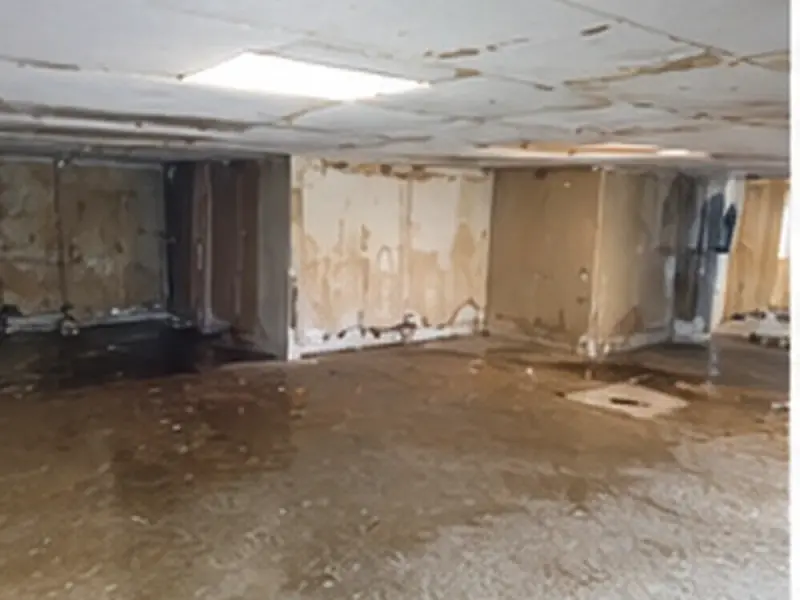
Commercial Water Damage Restoration
Planning cleanup around tenants, employees and the next business day.
Discuss this service ↓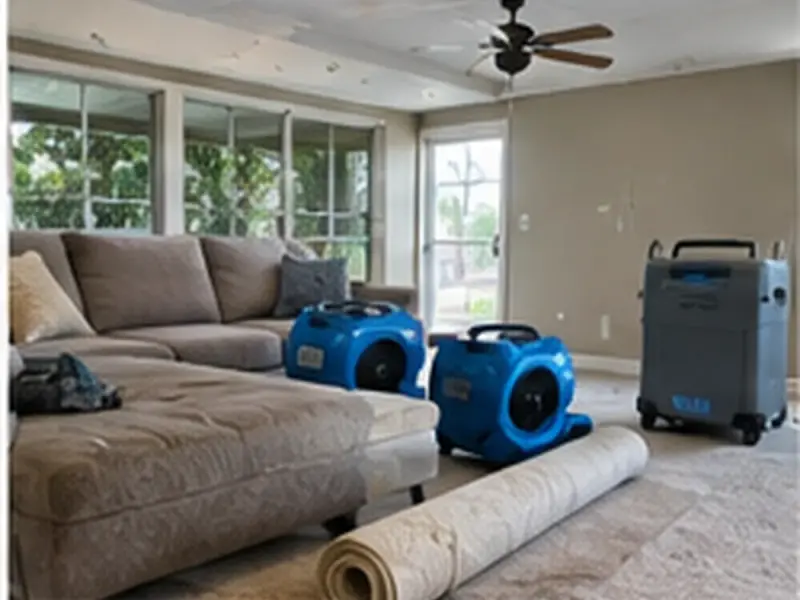
Contents Pack-Out & Cleaning
Decide what can stay, what needs cleaning and what must leave the work area.
Discuss this service ↓Need help with water damage in Buford?
Call with the source, the rooms affected and whether water is still entering. We can discuss the cleanup, drying and repair work needed.
Call (678) 329-9101